
National Flower Of China Explained: Meaning And Importance

The national flower of China is the plum blossom, known as méihuā in Chinese. This delicate flower is admired for its ability to bloom during late winter, often when snow still covers the ground. Its strength in such harsh conditions makes it a powerful symbol of resilience and hope in Chinese culture.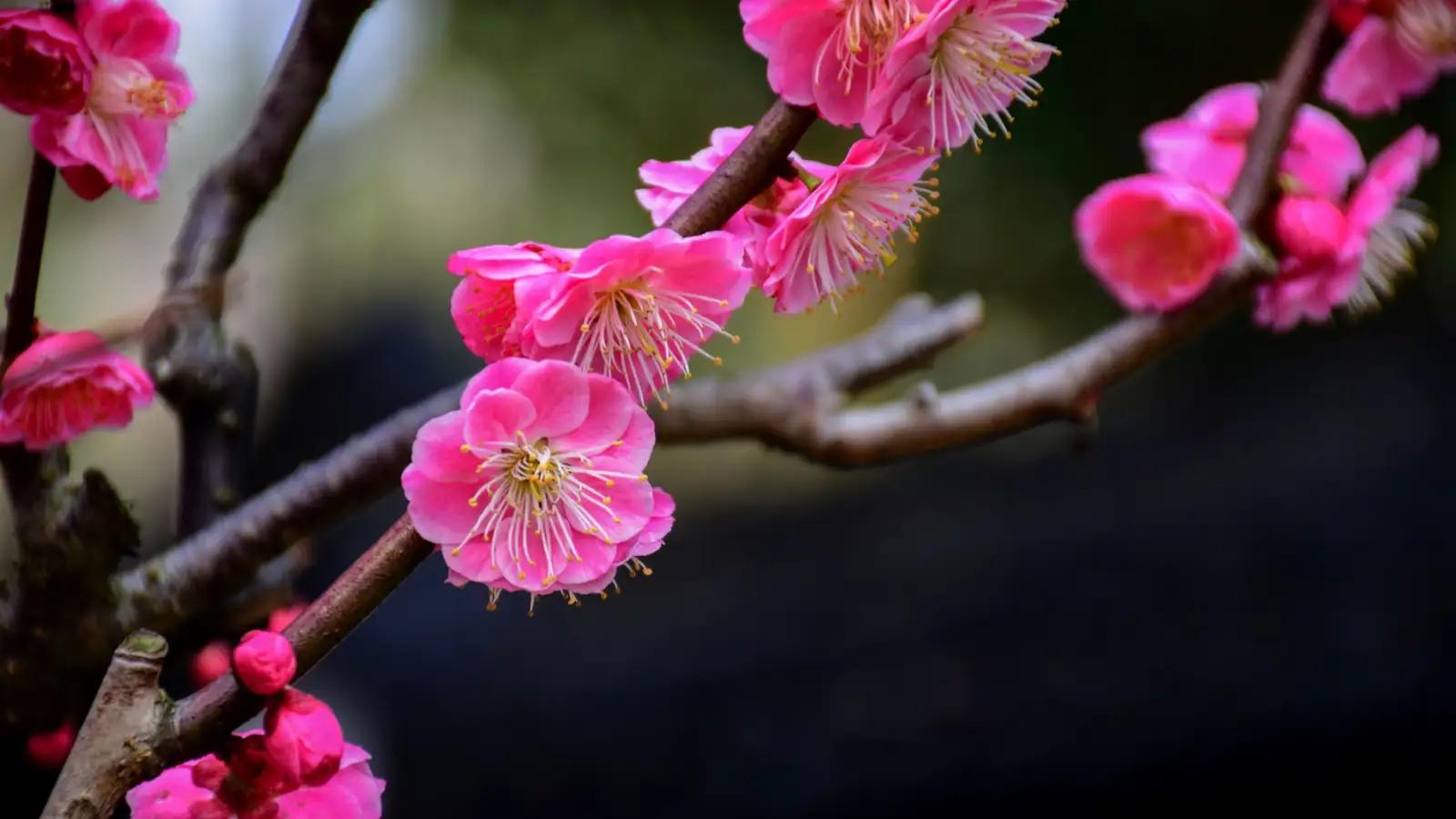
Why the Plum Blossom is China’s National Flower
The plum blossom meaning is deeply connected to endurance and courage. It was chosen as the national flower of China because of its strong cultural roots and presence in traditional Chinese art and literature.
It is also one of the “Four Gentlemen” in Chinese culture, along with orchid, bamboo, and chrysanthemum—each representing noble virtues. The plum blossom stands for perseverance and inner strength, reflecting the spirit of the Chinese people.
Cultural Symbolism of the Plum Blossom
The China national flower symbolism is rich in meaning. The five petals of the plum blossom are believed to represent five blessings:
This symbolic value makes the plum blossom more than just a flower—it is a cultural emblem of positivity and renewal in Chinese traditions.
Read More: The State Flower Of Florida: Its History, Significance, And Beauty
When Do Plum Blossoms Bloom?
Plum blossoms usually bloom between late January and early March, depending on the region. In southern China, they appear earlier, while northern regions see later blooms.
Their early flowering marks the transition from winter to spring, making them a key symbol among Chinese cultural flowers associated with new beginnings.
Other Important Flowers in Chinese Culture
While the plum blossom is the national flower of China, other flowers also hold cultural importance:
These flowers play an important role in festivals, art, and everyday traditions across China.
Read More: Where To Find The Rarest Flower In The World
What Makes the Plum Blossom Unique?
The plum blossom stands out because it blooms when most plants remain dormant. Its soft fragrance and delicate petals offer comfort even in the coldest conditions.
This rare quality is why plum blossom facts continue to fascinate people and why it remains a timeless symbol of hope and perseverance.
Interesting Facts About the Plum Blossom
The national flower of China, the plum blossom, is a remarkable symbol of strength, renewal, and cultural pride. Its ability to bloom in winter and its deep-rooted meaning in Chinese traditions make it one of the most iconic flowers in the world.
Why the Plum Blossom is China’s National Flower
The plum blossom meaning is deeply connected to endurance and courage. It was chosen as the national flower of China because of its strong cultural roots and presence in traditional Chinese art and literature. It is also one of the “Four Gentlemen” in Chinese culture, along with orchid, bamboo, and chrysanthemum—each representing noble virtues. The plum blossom stands for perseverance and inner strength, reflecting the spirit of the Chinese people.
Cultural Symbolism of the Plum Blossom
The China national flower symbolism is rich in meaning. The five petals of the plum blossom are believed to represent five blessings: - Longevity
- Prosperity
- Health
- Virtue
- Peace
This symbolic value makes the plum blossom more than just a flower—it is a cultural emblem of positivity and renewal in Chinese traditions.
Read More: The State Flower Of Florida: Its History, Significance, And Beauty
When Do Plum Blossoms Bloom?
Plum blossoms usually bloom between late January and early March, depending on the region. In southern China, they appear earlier, while northern regions see later blooms. Their early flowering marks the transition from winter to spring, making them a key symbol among Chinese cultural flowers associated with new beginnings.
Other Important Flowers in Chinese Culture
While the plum blossom is the national flower of China, other flowers also hold cultural importance: - Peony: Represents wealth and honour
- Lotus: Symbol of purity and enlightenment
- Camellia: Signifies respect and perfection
- Magnolia: Associated with nobility and grace
These flowers play an important role in festivals, art, and everyday traditions across China.
Read More: Where To Find The Rarest Flower In The World
What Makes the Plum Blossom Unique?
The plum blossom stands out because it blooms when most plants remain dormant. Its soft fragrance and delicate petals offer comfort even in the coldest conditions. This rare quality is why plum blossom facts continue to fascinate people and why it remains a timeless symbol of hope and perseverance.
Interesting Facts About the Plum Blossom
- Five Petals, Five Blessings: Each petal symbolises a positive life aspect
- First to Bloom: One of the earliest flowers to appear each year
- Cultural Icon: Widely featured in poetry and paintings
- Edible Fruit: The tree produces plums used in food and medicine
- Festival Favourite: Commonly used during Chinese New Year celebrations
The national flower of China, the plum blossom, is a remarkable symbol of strength, renewal, and cultural pride. Its ability to bloom in winter and its deep-rooted meaning in Chinese traditions make it one of the most iconic flowers in the world.
Next Story