
Is Minimalism Changing? Why People Want Less Clutter Without Giving Up Comfort

Minimalism is often associated with empty shelves, neutral interiors and homes containing very few possessions. But not everyone wants to live in a space that looks like a furniture showroom. A newer, more flexible approach focuses on owning things with intention, keeping what adds value and letting go of what no longer serves a purpose.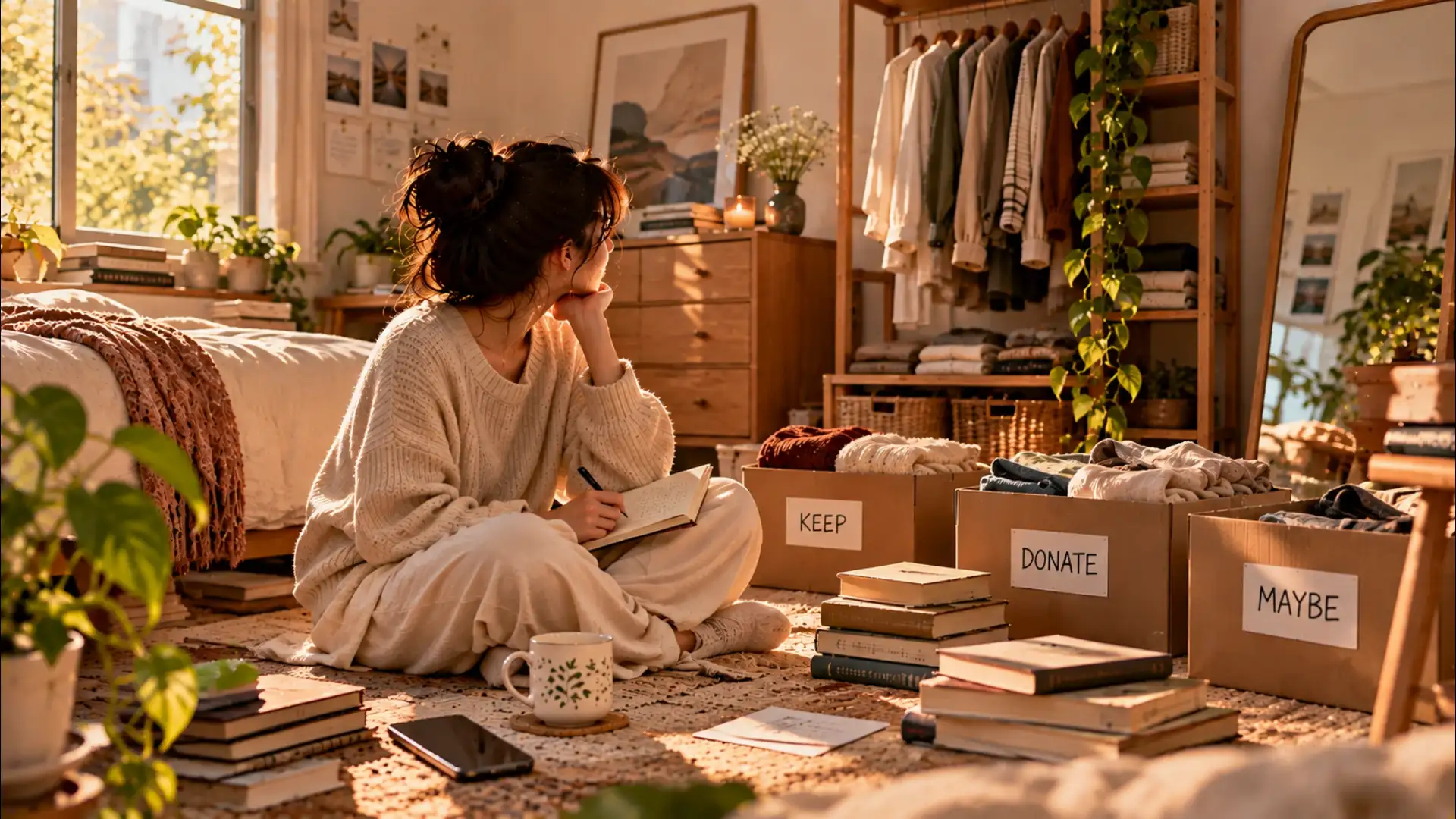
Traditional images of minimalism often feature bare surfaces, carefully arranged furniture and a limited colour palette. While some people enjoy that style, modern minimalism does not require everyone to create an almost empty home.
A person might keep a collection of books, display travel souvenirs or own equipment for a favourite hobby while still following minimalist principles. The important question is whether those belongings have a purpose or bring genuine enjoyment.
In this sense, minimalism becomes less about reaching a particular number of possessions and more about making deliberate choices.
Some items are bought because they are discounted, trending or promoted as essential. Others are kept long after they have stopped being useful because people feel reluctant to throw them away.
The new minimalism encourages people to pause before adding more possessions. Instead of asking whether something is affordable, they can consider whether they need it, where it will be stored and how often it will be used.
Reducing unnecessary purchases can also help people understand their spending habits. Buying fewer items may leave more money available for experiences, savings or products that are genuinely worth investing in. However, minimalism is not automatically cheaper. Replacing perfectly usable belongings with expensive, supposedly minimalist alternatives can defeat the purpose.
The new minimalism allows these possessions because they serve a real purpose or provide enjoyment. It also recognises that different households have different needs. Families, collectors and people living in small spaces may approach storage and ownership differently. There is no universal number of items that makes someone a minimalist.
The aim is to make possessions work for everyday life rather than letting unnecessary clutter dominate it.
Avoid decluttering simply to achieve a particular look. If an object is meaningful, useful or regularly enjoyed, keeping it can be entirely consistent with minimalism. Ultimately, the new minimalism is about making room for what matters. That may mean owning fewer things, but it does not mean stripping a home of personality, comfort or memories.
What does the new minimalism mean?
The new minimalism is an approach to possessions that prioritises usefulness, personal meaning and thoughtful consumption over strict rules about owning as little as possible.Traditional images of minimalism often feature bare surfaces, carefully arranged furniture and a limited colour palette. While some people enjoy that style, modern minimalism does not require everyone to create an almost empty home.
A person might keep a collection of books, display travel souvenirs or own equipment for a favourite hobby while still following minimalist principles. The important question is whether those belongings have a purpose or bring genuine enjoyment.
In this sense, minimalism becomes less about reaching a particular number of possessions and more about making deliberate choices.
Why are people rethinking their belongings?
Buying things can be easy, particularly when online shopping makes it possible to order products within minutes. Over time, these purchases can fill wardrobes, kitchen cupboards and storage spaces.Some items are bought because they are discounted, trending or promoted as essential. Others are kept long after they have stopped being useful because people feel reluctant to throw them away.
The new minimalism encourages people to pause before adding more possessions. Instead of asking whether something is affordable, they can consider whether they need it, where it will be stored and how often it will be used.
Reducing unnecessary purchases can also help people understand their spending habits. Buying fewer items may leave more money available for experiences, savings or products that are genuinely worth investing in. However, minimalism is not automatically cheaper. Replacing perfectly usable belongings with expensive, supposedly minimalist alternatives can defeat the purpose.
Does minimalism mean giving up things you love?
Not at all. A home should reflect the people who live in it, not follow a rigid aesthetic. Someone who loves cooking may need a well-equipped kitchen. A reader might prefer shelves filled with books, while a craft enthusiast may require space for materials and tools.The new minimalism allows these possessions because they serve a real purpose or provide enjoyment. It also recognises that different households have different needs. Families, collectors and people living in small spaces may approach storage and ownership differently. There is no universal number of items that makes someone a minimalist.
The aim is to make possessions work for everyday life rather than letting unnecessary clutter dominate it.
How can you practise the new minimalism?
Start with one manageable area, such as a wardrobe, desk or kitchen drawer. Identify items that are broken, duplicated, unused or no longer relevant to your needs. Before buying something new, consider whether you already own an item that serves the same purpose. You can also introduce a short waiting period before making non-essential purchases.Avoid decluttering simply to achieve a particular look. If an object is meaningful, useful or regularly enjoyed, keeping it can be entirely consistent with minimalism. Ultimately, the new minimalism is about making room for what matters. That may mean owning fewer things, but it does not mean stripping a home of personality, comfort or memories.
Next Story