
From Movie Tickets to Shopping Receipts: Why People Are Saving Everyday Memories

A faded cinema ticket, a handwritten note from a friend or a receipt from a memorable trip may seem insignificant to someone else. Yet, years later, these small objects can bring back details that photographs alone might not capture. This is part of the personal archive trend , in which people save pieces of ordinary life to create a record of their own experiences.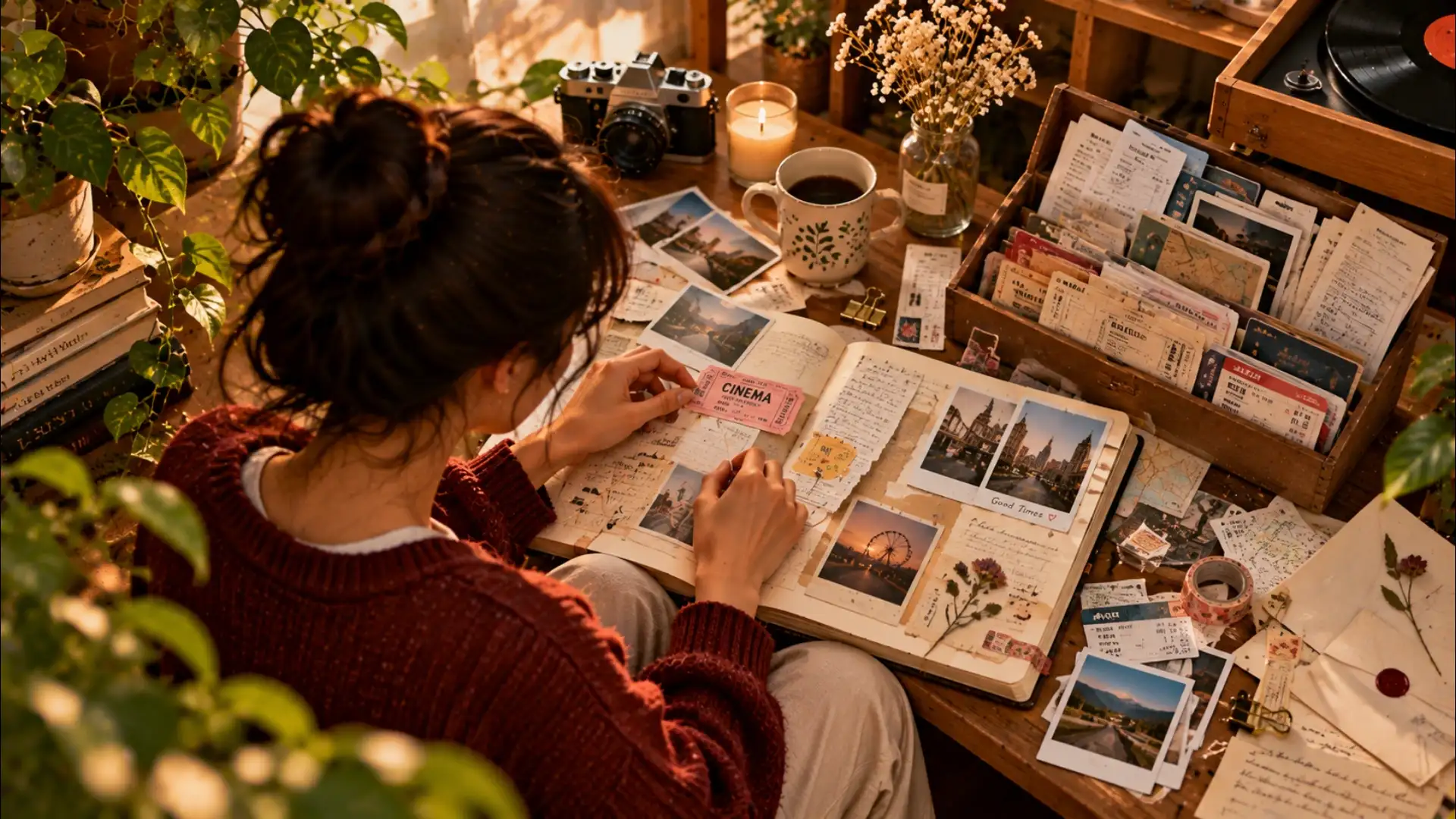
Unlike a traditional scrapbook that focuses on special occasions, a personal archive can include ordinary details. A shopping receipt might remind someone of a first visit to a new city, while a movie ticket could bring back memories of a particular friendship or date.
The objects do not need to be valuable or attractive. Their significance comes from the experiences associated with them. Some people arrange their keepsakes in labelled boxes or folders. Others create journals, memory books or digital collections that combine photographs with short descriptions of what happened.
Personal archives also offer a way to document life beyond major milestones such as weddings, graduations and birthdays. Ordinary experiences, including a favourite café visit or a spontaneous day out, can become meaningful when viewed years later.
There is also something satisfying about keeping a physical record. Digital photographs are convenient, but they can become buried among thousands of files. A small collection of printed photographs, notes and keepsakes can make memories easier to revisit.
The process encourages people to notice what matters to them, rather than assuming only major events deserve to be remembered. It can also become a creative activity. Arranging photographs, writing captions and organising keepsakes allows people to tell their own stories in a personal way.
It is also important to recognise when a collection becomes clutter. You do not need to preserve every receipt, packaging label or ticket to document your life. Keep what matters and let go of the rest.
A personal archive is ultimately about creating a record of experiences, not accumulating possessions. The most meaningful collection may be a small one that tells a story only you can fully appreciate.
What is a personal archive?
A personal archive is a collection of objects, records or digital files that document someone's life. It might include photographs, letters, postcards, concert tickets, travel documents, handwritten lists or notes from friends.Unlike a traditional scrapbook that focuses on special occasions, a personal archive can include ordinary details. A shopping receipt might remind someone of a first visit to a new city, while a movie ticket could bring back memories of a particular friendship or date.
The objects do not need to be valuable or attractive. Their significance comes from the experiences associated with them. Some people arrange their keepsakes in labelled boxes or folders. Others create journals, memory books or digital collections that combine photographs with short descriptions of what happened.
Why are people saving everyday memories ?
Memories can become less detailed over time. People may remember that a holiday was enjoyable without recalling what they ate, which places they visited or what made a particular afternoon special. Small objects can provide reminders of these details. A ticket or handwritten note can act as a physical connection to a moment that might otherwise become hazy.Personal archives also offer a way to document life beyond major milestones such as weddings, graduations and birthdays. Ordinary experiences, including a favourite café visit or a spontaneous day out, can become meaningful when viewed years later.
There is also something satisfying about keeping a physical record. Digital photographs are convenient, but they can become buried among thousands of files. A small collection of printed photographs, notes and keepsakes can make memories easier to revisit.
Is the trend connected to nostalgia?
Nostalgia is part of the appeal, but personal archiving is not limited to looking backwards. Keeping a record of current experiences can help people pay attention to the details of everyday life. Someone might save a postcard from a friend, write a short note about a memorable conversation or print a photograph from an ordinary weekend.The process encourages people to notice what matters to them, rather than assuming only major events deserve to be remembered. It can also become a creative activity. Arranging photographs, writing captions and organising keepsakes allows people to tell their own stories in a personal way.
How can you start a personal archive?
Begin with a small box, folder or notebook. Choose items that have a genuine connection to a memory rather than saving every piece of paper you encounter. Add a short note explaining the date, place or story behind an object. This context may become more useful than the item itself as time passes.It is also important to recognise when a collection becomes clutter. You do not need to preserve every receipt, packaging label or ticket to document your life. Keep what matters and let go of the rest.
A personal archive is ultimately about creating a record of experiences, not accumulating possessions. The most meaningful collection may be a small one that tells a story only you can fully appreciate.
Next Story