
What To Cook When You’re Sick For Easy Digestion, Better Recovery And Everyday Comfort

Simple Healing Recipes To Cook When You’re Sick And Need Comforting Homemade Meals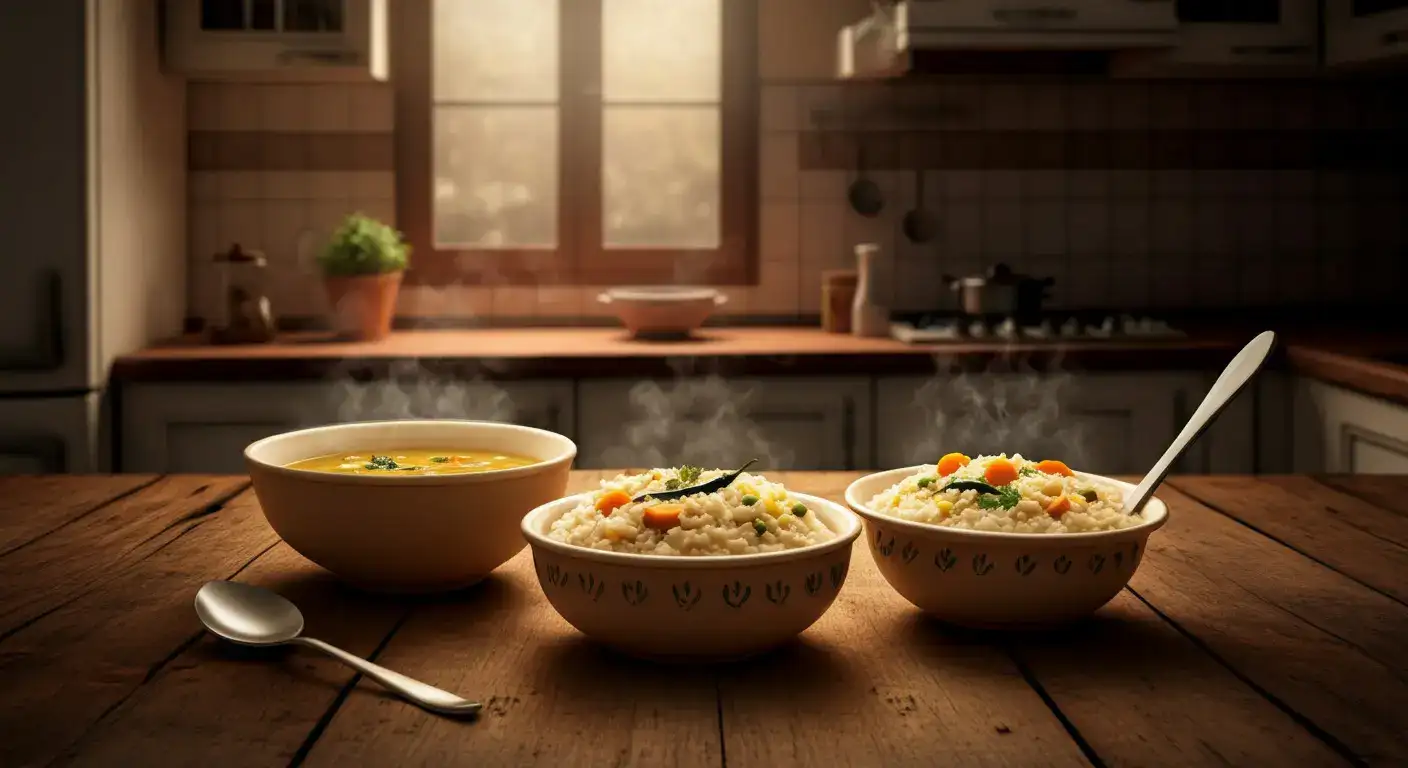
SEO Keywords
healing recipes, food for recovery , sick day meals , easy Indian comfort food , healthy homemade soups , light meals for illness
Meta Description
Discover simple healing recipes and light homemade meals to cook when sick for comfort, hydration and easier recovery.
Synopsis
What To Cook When You’re Sick – Simple Healing Recipes
Illness often changes the way the body responds to food. Fever, cold, weakness, stomach discomfort or fatigue can reduce appetite and make heavy meals difficult to digest. During such times, simple homemade food becomes more than just nourishment. It offers comfort, hydration and support for recovery.
Indian households have long relied on light home-cooked meals and traditional remedies during illness. Soft foods, warm liquids and mildly spiced dishes are often preferred because they are easier on the digestive system while still providing energy and nutrients. Unlike oily takeaway meals or heavily processed snacks, healing recipes focus on simplicity, warmth and balanced nutrition.
The right foods cannot replace medical treatment when required, but they can help the body stay hydrated, maintain strength and recover more comfortably during common illnesses.
Light meals are easier to digest and may help maintain energy without placing additional strain on the stomach. Warm foods also provide physical comfort, especially during fever, cold or throat irritation.
Hydration becomes equally important because illness often leads to fluid loss through sweating, fever or reduced appetite. Meals with high water content can support hydration while providing essential nutrients.
Soft and freshly prepared foods are generally more suitable than packaged convenience meals during recovery periods.
Moong dal khichdi is especially popular during illness because it feels gentle on the stomach. Adding vegetables such as carrots or bottle gourd can improve nutrition without making the dish heavy.
A small amount of ghee may also provide comfort and flavour when tolerated. Mild spices such as cumin and turmeric can enhance taste while keeping the meal simple.
Khichdi works well for fever, weakness, digestive discomfort and recovery after illness because it provides warmth and nourishment without excessive heaviness.
Tomato soup with light seasoning, carrot soup or spinach soup can provide vitamins and minerals during recovery. For non-vegetarians, homemade chicken soup remains a popular comfort food due to its warmth and protein content.
Avoiding excessive cream, butter or spicy ingredients keeps soups lighter and more soothing for the body.
Serving soups warm rather than extremely hot may also feel gentler on sore throats or sensitive digestion.
Fresh homemade curd may support digestion and help maintain gut balance. However, very cold curd dishes may not suit everyone during cough or throat infections, so room-temperature servings are often preferable.
Soft rice porridge or lightly flavoured congee-style dishes may also work well for people recovering from fever or weakness.
These meals provide carbohydrates for energy while remaining easy to eat even with reduced appetite.
Warm water with honey and lemon may soothe sore throats for some people. Coconut water can also help replenish fluids and minerals during dehydration or fatigue.
However, excessive use of strong spices or herbal mixtures should be avoided, especially for people with stomach sensitivity.
Simple and moderate remedies are generally more comfortable during recovery than overly concentrated drinks.
Citrus fruits may support vitamin C intake, though highly acidic foods may not suit everyone with throat irritation or stomach discomfort.
Fruit should ideally be consumed fresh and in moderate portions rather than through sugary packaged juices.
For people with very low appetite, fruit smoothies made with yoghurt or milk may provide easier nutrition.
Carbonated drinks and excessive caffeine may also worsen dehydration or interfere with rest.
Overeating should be avoided even when appetite returns after illness. Smaller and more frequent meals are often easier for the body to manage during recovery.
Rest, hydration and balanced nutrition together support healing more effectively than relying on rich or indulgent comfort foods.
Traditional Indian kitchens have long connected food with recovery and wellbeing. Even simple dishes like dal-rice, soups or herbal tea can provide psychological comfort alongside physical nourishment.
This emotional connection may help people feel calmer and more supported during difficult days of sickness or fatigue.
Cooking during illness does not need to involve complicated recipes or heavy ingredients. Simple healing foods prepared with care can support hydration, digestion and recovery more effectively than processed convenience meals. Traditional Indian comfort foods such as khichdi, soups, curd rice and herbal drinks continue to remain valuable because they combine nourishment, simplicity and emotional comfort. During periods of illness, gentle home-cooked meals often become one of the most effective forms of everyday care.
SEO Keywords
healing recipes, food for recovery , sick day meals , easy Indian comfort food , healthy homemade soups , light meals for illness
Meta Description
Discover simple healing recipes and light homemade meals to cook when sick for comfort, hydration and easier recovery.
Synopsis
What To Cook When You’re Sick – Simple Healing Recipes
Illness often changes the way the body responds to food. Fever, cold, weakness, stomach discomfort or fatigue can reduce appetite and make heavy meals difficult to digest. During such times, simple homemade food becomes more than just nourishment. It offers comfort, hydration and support for recovery.
Indian households have long relied on light home-cooked meals and traditional remedies during illness. Soft foods, warm liquids and mildly spiced dishes are often preferred because they are easier on the digestive system while still providing energy and nutrients. Unlike oily takeaway meals or heavily processed snacks, healing recipes focus on simplicity, warmth and balanced nutrition.
The right foods cannot replace medical treatment when required, but they can help the body stay hydrated, maintain strength and recover more comfortably during common illnesses.
Why Light And Simple Foods Matter During Illness
When the body is fighting infection or recovering from weakness, digestion may slow down temporarily. Heavy meals rich in oil, spice or processed ingredients can increase discomfort and make people feel more sluggish.Light meals are easier to digest and may help maintain energy without placing additional strain on the stomach. Warm foods also provide physical comfort, especially during fever, cold or throat irritation.
Hydration becomes equally important because illness often leads to fluid loss through sweating, fever or reduced appetite. Meals with high water content can support hydration while providing essential nutrients.
Soft and freshly prepared foods are generally more suitable than packaged convenience meals during recovery periods.
Khichdi Remains A Classic Comfort Food
Khichdi is one of the most trusted healing foods in Indian homes. Made with rice and lentils, it is soft, light and easy to digest while still offering carbohydrates and protein.Moong dal khichdi is especially popular during illness because it feels gentle on the stomach. Adding vegetables such as carrots or bottle gourd can improve nutrition without making the dish heavy.
A small amount of ghee may also provide comfort and flavour when tolerated. Mild spices such as cumin and turmeric can enhance taste while keeping the meal simple.
Khichdi works well for fever, weakness, digestive discomfort and recovery after illness because it provides warmth and nourishment without excessive heaviness.
Homemade Soups For Hydration And Warmth
Warm soups are highly beneficial during cold, flu or fatigue because they combine hydration with nutrition. Vegetable soups, chicken broth and lentil soups can help maintain fluid intake while being easy to consume.Tomato soup with light seasoning, carrot soup or spinach soup can provide vitamins and minerals during recovery. For non-vegetarians, homemade chicken soup remains a popular comfort food due to its warmth and protein content.
Avoiding excessive cream, butter or spicy ingredients keeps soups lighter and more soothing for the body.
Serving soups warm rather than extremely hot may also feel gentler on sore throats or sensitive digestion.
Curd Rice And Soft Rice Dishes
Curd rice is another simple meal commonly preferred during illness, especially when digestion feels sensitive. The cooling effect of curd combined with soft rice creates a comforting and mild dish.Fresh homemade curd may support digestion and help maintain gut balance. However, very cold curd dishes may not suit everyone during cough or throat infections, so room-temperature servings are often preferable.
Soft rice porridge or lightly flavoured congee-style dishes may also work well for people recovering from fever or weakness.
These meals provide carbohydrates for energy while remaining easy to eat even with reduced appetite.
Herbal Drinks And Traditional Home Remedies
Indian households often prepare warm herbal drinks during illness for comfort and hydration. Ginger tea, tulsi tea and turmeric milk are commonly consumed during colds or seasonal infections.Warm water with honey and lemon may soothe sore throats for some people. Coconut water can also help replenish fluids and minerals during dehydration or fatigue.
However, excessive use of strong spices or herbal mixtures should be avoided, especially for people with stomach sensitivity.
Simple and moderate remedies are generally more comfortable during recovery than overly concentrated drinks.
Fruits That Support Recovery
Fresh fruits can provide vitamins, hydration and natural sugars during illness. Bananas, apples, papayas and pomegranates are often easier to digest and suitable for low-energy days.Citrus fruits may support vitamin C intake, though highly acidic foods may not suit everyone with throat irritation or stomach discomfort.
Fruit should ideally be consumed fresh and in moderate portions rather than through sugary packaged juices.
For people with very low appetite, fruit smoothies made with yoghurt or milk may provide easier nutrition.
Foods Better Avoided During Illness
Certain foods may increase discomfort during recovery. Deep-fried snacks, excessive spices, sugary desserts and processed fast foods can feel heavy on the digestive system.Carbonated drinks and excessive caffeine may also worsen dehydration or interfere with rest.
Overeating should be avoided even when appetite returns after illness. Smaller and more frequent meals are often easier for the body to manage during recovery.
Rest, hydration and balanced nutrition together support healing more effectively than relying on rich or indulgent comfort foods.
The Emotional Comfort Of Homemade Meals
One reason homemade food feels healing during illness is emotional comfort. Warm meals prepared by family members often create feelings of care, familiarity and reassurance.Traditional Indian kitchens have long connected food with recovery and wellbeing. Even simple dishes like dal-rice, soups or herbal tea can provide psychological comfort alongside physical nourishment.
This emotional connection may help people feel calmer and more supported during difficult days of sickness or fatigue.
Cooking during illness does not need to involve complicated recipes or heavy ingredients. Simple healing foods prepared with care can support hydration, digestion and recovery more effectively than processed convenience meals. Traditional Indian comfort foods such as khichdi, soups, curd rice and herbal drinks continue to remain valuable because they combine nourishment, simplicity and emotional comfort. During periods of illness, gentle home-cooked meals often become one of the most effective forms of everyday care.
Next Story