
What to Eat Before and After Donating Blood: Expert Tips for a Healthy Donation

Donating blood is a noble act that can save lives, but it also temporarily affects your body’s resources. Nutrition plays a key role in ensuring that your donation is safe, smooth, and recovery is quick. Dr Karuna Chaturvedi, Head of Clinical Nutrition at Max Super Specialty Hospital, Noida, shares essential food dos and don’ts to follow before and after donating blood.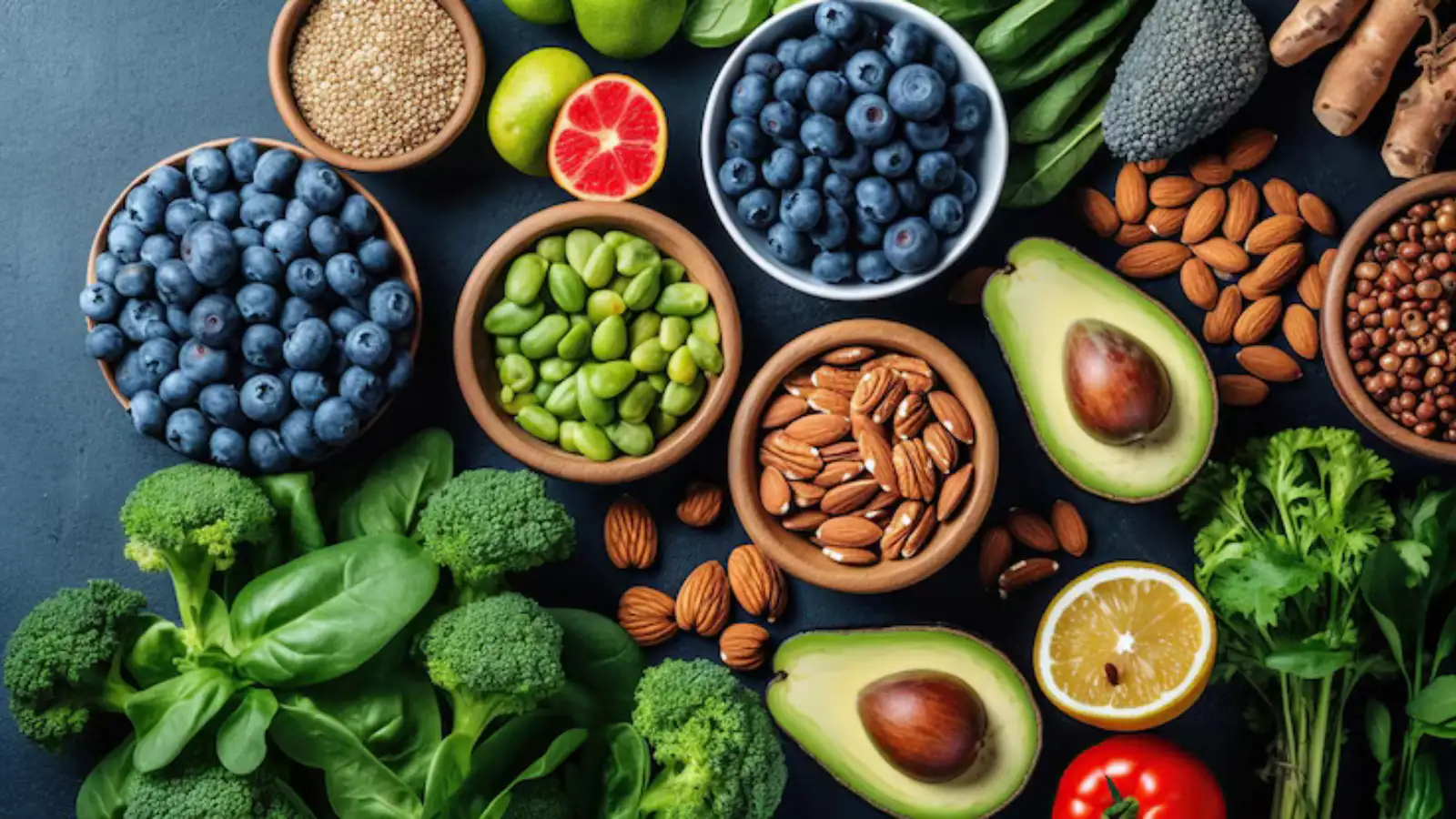
What to Eat Before Donating Blood
What to Avoid Before and After Donation
A little planning goes a long way when it comes to blood donation. By eating the right foods and avoiding the wrong ones, you can help your body stay strong and make your donation experience safer and more comfortable.
What to Eat Before Donating Blood
1. Hydration is a Must
Blood is composed largely of water, so staying well-hydrated helps maintain healthy blood pressure levels during and after donation. Drink plenty of water throughout the day before your appointment and continue hydrating afterwards.2. Load Up on Iron
Iron is critical for haemoglobin production, which helps transport oxygen through the body. To avoid post-donation fatigue or iron deficiency, include iron-rich foods like:- Red meat (beef, lamb, pork)
- Poultry and fish
- Leafy greens like spinach
- Eggs and sweet potatoes
3. Boost Iron Absorption with Vitamin C
Vitamin C enhances the body’s ability to absorb plant-based (non-heme) iron. Include citrus fruits, kiwi, papaya, watermelon, or pineapple in your diet to help your body maximise iron intake.What to Avoid Before and After Donation
1. Say No to Alcohol
Alcohol causes dehydration, which can worsen dizziness or fatigue after donating blood. Avoid drinking alcohol for at least 24 hours before your appointment.2. Skip Fatty Foods
Greasy foods like burgers, fries, and ice cream can interfere with pre-donation blood tests. These tests are essential to detect infections and ensure safe transfusion.3. Avoid Iron Blockers
Certain foods and drinks can hinder iron absorption. Don’t pair iron-rich meals or supplements with:- Coffee or tea
- Red wine
- High-calcium foods like dairy
4. Hold Off on Aspirin (For Platelet Donors)
If you’re donating platelets, avoid taking aspirin for at least 48 hours beforehand. Aspirin affects platelet function, which could impact the quality of the donation.A little planning goes a long way when it comes to blood donation. By eating the right foods and avoiding the wrong ones, you can help your body stay strong and make your donation experience safer and more comfortable.
Next Story