
Planning a Trip to the Faroe Islands? Essential Tips for Exploring Its Wild Landscapes

The Faroe Islands offer a dramatic mix of green mountains, rugged cliffs, quiet villages and winding coastal roads surrounded by the North Atlantic Ocean. Located between Iceland, Norway and Scotland, this remote archipelago is ideal for travellers who enjoy nature, photography and outdoor adventures away from crowded tourist destinations. However, its beauty comes with unpredictable weather, challenging terrain and limited transport options in some areas. Planning ahead can make a significant difference to your experience. Before setting off, it is worth understanding how to travel between the islands, prepare for changing conditions and explore the landscape responsibly. Here are the essential things to know.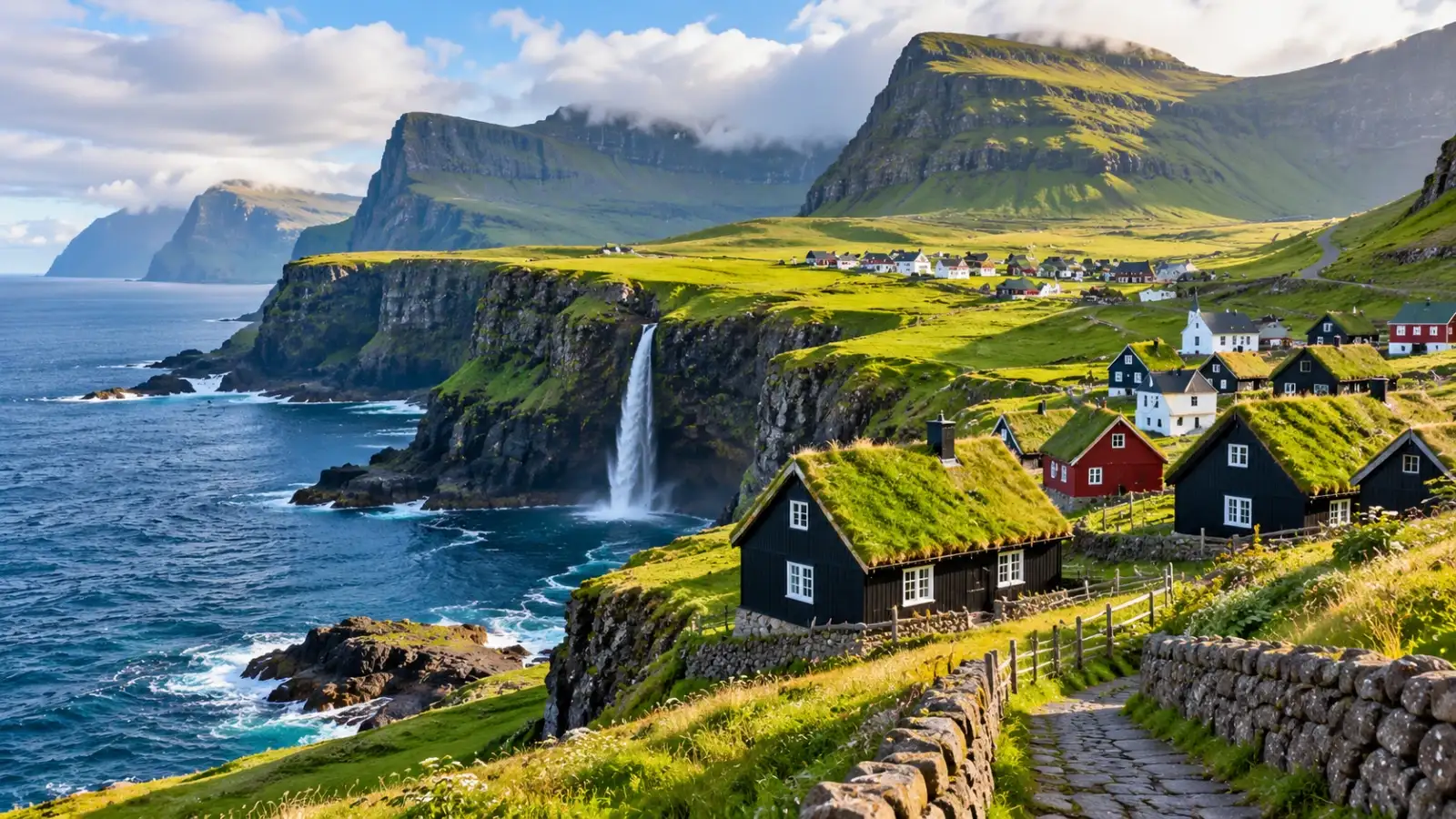
Pack waterproof outerwear, warm layers and comfortable walking trousers. A windproof jacket is particularly useful when visiting exposed viewpoints or coastal areas.
Check the local forecast each morning and remain flexible with your plans. If strong winds, poor visibility or severe weather warnings affect a planned hike, choose a safer alternative instead of trying to continue.
Spring and autumn can provide quieter experiences, although the weather may be more unsettled and daylight hours shorter. Winter brings a different atmosphere, with dramatic skies and fewer daylight hours, making detailed planning especially important.
Your ideal season depends on what you want to experience. If hiking and exploring remote villages are priorities, longer summer days can be convenient. For any season, check seasonal transport schedules and attraction access before travelling.
However, driving requires attention. Roads can be narrow, visibility may change quickly and some routes involve steep gradients or single-lane tunnels. Learn the local road rules and use designated passing places where required.
Public buses and ferries serve many destinations, but services may be less frequent in remote areas. Check current timetables carefully and allow extra time for connections. Some subsea tunnels also charge tolls, so understand the applicable payment arrangements before setting out.
Choose walks that match your fitness and experience. Wear sturdy waterproof hiking boots with good grip, carry drinking water and bring extra clothing. Download offline maps because mobile coverage may be unreliable in isolated areas.
Follow marked routes and local instructions. Some popular hikes pass through private land or require a fee, a guide or advance arrangements. Check the latest access rules before visiting, and never assume a trail is freely accessible simply because it appears on a map.
Stay on permitted paths, close gates behind you and avoid disturbing livestock. Do not enter private fields or walk across cultivated land without permission.
If a viewpoint or trail requires payment, follow the local access arrangements. These fees may contribute to trail maintenance, safety measures and the management of visitor numbers.
Respecting local rules helps protect the landscape while maintaining a positive relationship between visitors and residents.
Tórshavn, the capital, is a convenient place to arrange supplies before travelling to smaller islands. Villages may have local shops, but opening times can vary, particularly on Sundays and public holidays.
If you have specific dietary requirements, research restaurants and grocery options in advance. Booking popular restaurants during busy travel periods can also help avoid disappointment.
Book early if you want to stay near a particular hiking area or island. Choosing accommodation strategically can reduce driving time and make early starts easier.
Check cancellation policies, check-in arrangements and the distance to the nearest shop or public transport stop. If you plan to visit several islands, consider whether changing accommodation is worthwhile or whether a central base would suit your itinerary better.
Your essentials should include:
These places can be spectacular, but cliffs, slippery ground and strong winds require caution. Stay behind barriers, keep away from unstable edges and follow any restrictions on access.
Do not step over safety barriers for photographs or approach cliff edges in poor visibility. Conditions can be dangerous even when the landscape appears calm from a distance.
For wildlife watching, keep a respectful distance from birds and other animals. Avoid disturbing nesting sites and follow local guidance about protected areas.
Avoid scheduling too many distant destinations in a single day. Allow extra time for scenic stops, slow driving and unexpected changes.
If visibility is poor, switch to a village visit, a local museum or a sheltered activity rather than forcing a hike. Keep important transport connections in mind and check for service updates before leaving your accommodation.
A flexible itinerary allows you to enjoy the islands without turning every day into a race against the clock.
The key is to travel prepared and respect the conditions. Pack suitable clothing, research transport, follow local access rules and remain cautious around exposed landscapes.
With realistic expectations and a flexible plan, you can explore the Faroe Islands at a comfortable pace and appreciate what makes this remote North Atlantic destination so memorable.
1. Understand the Weather Before You Travel
The weather in the Faroe Islands can change quickly, even during summer. Sunshine, mist, rain and strong winds may occur within a short period, so it is important to prepare for several conditions rather than relying on a single forecast.Pack waterproof outerwear, warm layers and comfortable walking trousers. A windproof jacket is particularly useful when visiting exposed viewpoints or coastal areas.
Check the local forecast each morning and remain flexible with your plans. If strong winds, poor visibility or severe weather warnings affect a planned hike, choose a safer alternative instead of trying to continue.
2. Choose the Right Season for Your Trip
Summer, particularly June to August, generally offers longer daylight hours and more opportunities for sightseeing and hiking. It is also a popular period for visitors, so accommodation and rental vehicles should be booked in advance.Spring and autumn can provide quieter experiences, although the weather may be more unsettled and daylight hours shorter. Winter brings a different atmosphere, with dramatic skies and fewer daylight hours, making detailed planning especially important.
Your ideal season depends on what you want to experience. If hiking and exploring remote villages are priorities, longer summer days can be convenient. For any season, check seasonal transport schedules and attraction access before travelling.
3. Plan Your Transport Between the Islands
The Faroe Islands consist of 18 main islands, many connected by tunnels, bridges, causeways and ferry services. A rental car can provide flexibility, particularly if you want to visit smaller settlements or remote viewpoints.However, driving requires attention. Roads can be narrow, visibility may change quickly and some routes involve steep gradients or single-lane tunnels. Learn the local road rules and use designated passing places where required.
Public buses and ferries serve many destinations, but services may be less frequent in remote areas. Check current timetables carefully and allow extra time for connections. Some subsea tunnels also charge tolls, so understand the applicable payment arrangements before setting out.
4. Prepare Carefully for Hiking
Hiking is one of the best ways to experience the Faroe Islands, but the terrain can be steep, muddy and exposed. Even relatively short routes may become difficult when rain or mist reduces visibility.Choose walks that match your fitness and experience. Wear sturdy waterproof hiking boots with good grip, carry drinking water and bring extra clothing. Download offline maps because mobile coverage may be unreliable in isolated areas.
Follow marked routes and local instructions. Some popular hikes pass through private land or require a fee, a guide or advance arrangements. Check the latest access rules before visiting, and never assume a trail is freely accessible simply because it appears on a map.
5. Respect Local Communities and Private Land
Many Faroese villages are small communities where daily life continues alongside tourism. Farmland, grass-covered roofs and open landscapes may look like public attractions, but some areas are privately owned or actively used for agriculture.Stay on permitted paths, close gates behind you and avoid disturbing livestock. Do not enter private fields or walk across cultivated land without permission.
If a viewpoint or trail requires payment, follow the local access arrangements. These fees may contribute to trail maintenance, safety measures and the management of visitor numbers.
Respecting local rules helps protect the landscape while maintaining a positive relationship between visitors and residents.
6. Know Where to Find Food and Supplies
Outside larger settlements, shops, cafés and restaurants may have limited opening hours or fewer options. If you plan to spend a full day exploring remote areas, carry water and snacks rather than assuming you will find somewhere to eat along the route.Tórshavn, the capital, is a convenient place to arrange supplies before travelling to smaller islands. Villages may have local shops, but opening times can vary, particularly on Sundays and public holidays.
If you have specific dietary requirements, research restaurants and grocery options in advance. Booking popular restaurants during busy travel periods can also help avoid disappointment.
7. Check Accommodation and Booking Arrangements Early
Accommodation options range from hotels and guesthouses to holiday homes and rural stays. Availability can be limited in smaller villages, particularly during the summer season.Book early if you want to stay near a particular hiking area or island. Choosing accommodation strategically can reduce driving time and make early starts easier.
Check cancellation policies, check-in arrangements and the distance to the nearest shop or public transport stop. If you plan to visit several islands, consider whether changing accommodation is worthwhile or whether a central base would suit your itinerary better.
8. Pack for Wind, Rain and Changing Conditions
Packing for the Faroe Islands is less about taking lots of clothing and more about choosing practical layers.Your essentials should include:
- Waterproof and windproof jacket and trousers
- Warm mid-layers and moisture-wicking base layers
- Waterproof hiking boots with good grip
- A warm hat and gloves
- A small backpack with water and snacks
- Offline maps and a fully charged phone
- Power bank, travel documents and personal medication
- Camera protection or a waterproof bag
9. Visit Famous Landscapes Without Ignoring Safety
The Faroe Islands are known for dramatic viewpoints, including the sea cliffs around Trælanípa near Lake Sørvágsvatn, the village of Gásadalur and the waterfall at Múlafossur.These places can be spectacular, but cliffs, slippery ground and strong winds require caution. Stay behind barriers, keep away from unstable edges and follow any restrictions on access.
Do not step over safety barriers for photographs or approach cliff edges in poor visibility. Conditions can be dangerous even when the landscape appears calm from a distance.
For wildlife watching, keep a respectful distance from birds and other animals. Avoid disturbing nesting sites and follow local guidance about protected areas.
10. Keep Your Itinerary Flexible
The remote nature of the Faroe Islands is part of their appeal, but it also means that plans can be disrupted by weather, ferry changes or road conditions.Avoid scheduling too many distant destinations in a single day. Allow extra time for scenic stops, slow driving and unexpected changes.
If visibility is poor, switch to a village visit, a local museum or a sheltered activity rather than forcing a hike. Keep important transport connections in mind and check for service updates before leaving your accommodation.
A flexible itinerary allows you to enjoy the islands without turning every day into a race against the clock.
What Makes the Faroe Islands Worth Exploring?
The Faroe Islands offer a distinctive travel experience built around dramatic scenery, small communities and a strong connection to the natural environment. Their appeal lies in the quiet moments as much as the famous viewpoints: watching clouds move across a mountain, walking through a traditional village or seeing waves break against dark cliffs.The key is to travel prepared and respect the conditions. Pack suitable clothing, research transport, follow local access rules and remain cautious around exposed landscapes.
With realistic expectations and a flexible plan, you can explore the Faroe Islands at a comfortable pace and appreciate what makes this remote North Atlantic destination so memorable.
Next Story