
How to Pack a Cabin Bag for International Travel: Essentials to Keep Within Reach

Packing for an international flight requires a little more planning than preparing for a short domestic journey. Travellers may spend several hours at airports, pass through multiple security checks and need quick access to important documents during the journey.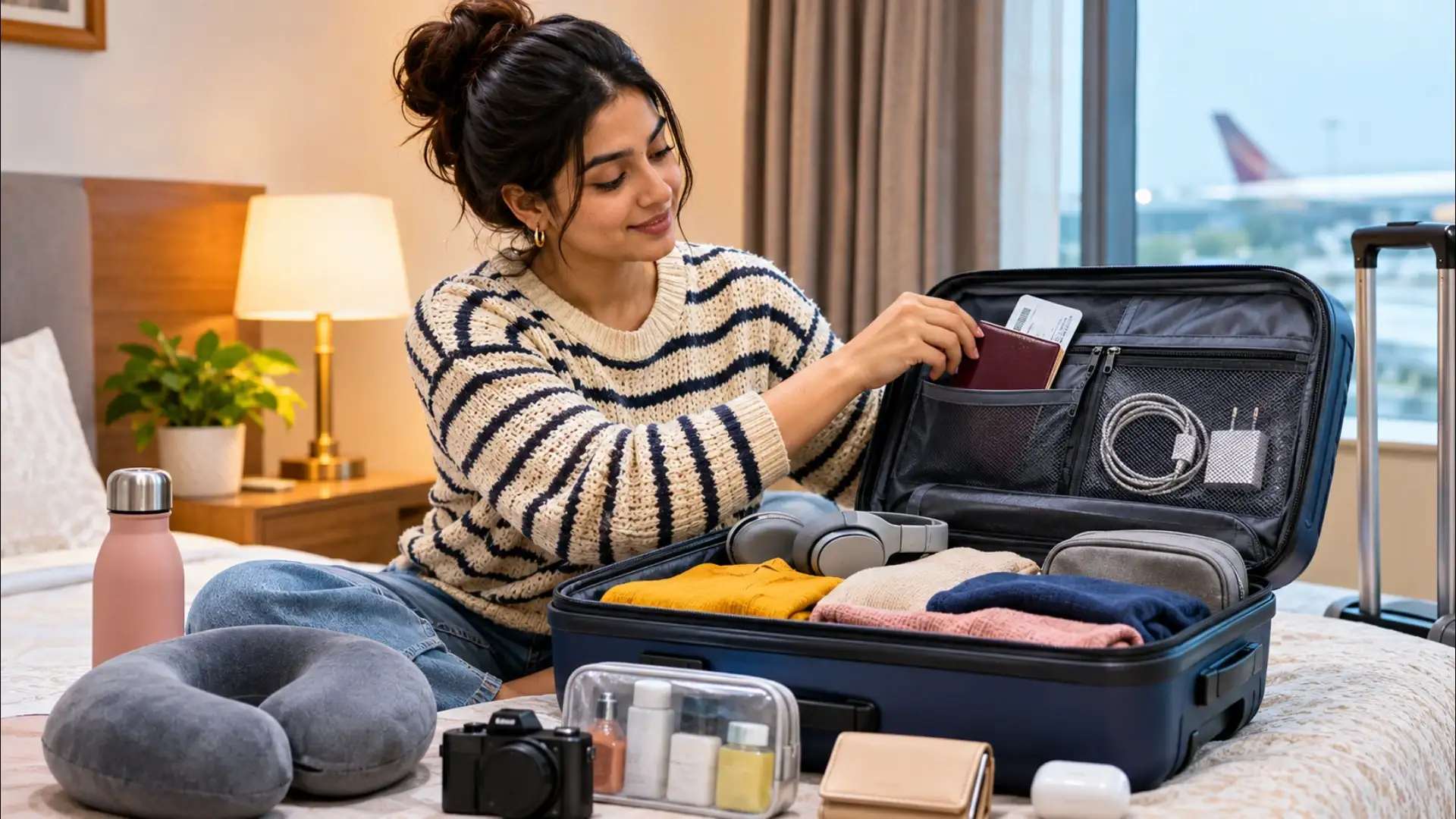
A well-organised cabin bag can make the experience easier. The aim is to carry essential items without making the bag unnecessarily heavy or difficult to manage.
Airlines may have different rules for the number of permitted bags, dimensions and weight. Requirements can also vary according to ticket type and route.
Do not assume that a bag accepted on one airline will automatically be accepted on another. If your itinerary includes connecting flights with different carriers, check the rules for each one.
Depending on your itinerary, these may include:
Digital copies can be useful as backups, but do not rely entirely on phone access. Keep important information available offline where possible.
Choose lightweight items that fold easily. A spare top, undergarments and an extra pair of socks may be sufficient for many travellers.
Place them in a separate pouch so that they can be found without unpacking the entire bag.
Check the plug type used at your destination before travelling. A suitable travel adapter can help you use compatible devices without searching for one after arrival.
If carrying a power bank or other battery-powered equipment, check the airline's current rules on battery capacity and cabin carriage before packing it.
Consider carrying:
However, airport security rules may restrict the size and packaging of liquids, gels and similar products in cabin baggage. These requirements can vary by airport and country.
Check the departure airport's latest security guidance before packing toiletries. Keep products properly sealed to prevent leakage.
Avoid leaving valuables in an open side pocket or placing them in a bag that may be difficult to monitor.
Do not pack important documents in checked baggage if you need them during airport procedures.
Use small pouches to group similar items and avoid carrying things that can easily be purchased at your destination.
A little spare space also makes it easier to organise belongings when moving between flights.
Rules may apply to food products, plants, seeds, liquids and other goods. Check official government guidance rather than relying on general packing lists.
A thoughtful packing routine can make international travel more comfortable, reduce last-minute searching and help keep important belongings organised throughout the journey.
A well-organised cabin bag can make the experience easier. The aim is to carry essential items without making the bag unnecessarily heavy or difficult to manage.
1. Check your airline's baggage rules first
Before choosing a cabin bag, check the airline's current cabin baggage allowance.Airlines may have different rules for the number of permitted bags, dimensions and weight. Requirements can also vary according to ticket type and route.
Do not assume that a bag accepted on one airline will automatically be accepted on another. If your itinerary includes connecting flights with different carriers, check the rules for each one.
2. Keep travel documents together
Keep important travel documents in an easily accessible organiser.Depending on your itinerary, these may include:
- Passport
- Visa documents, where required
- Boarding passes
- Hotel booking details
- Travel insurance information
- Return or onward travel details
- Emergency contact information
Digital copies can be useful as backups, but do not rely entirely on phone access. Keep important information available offline where possible.
3. Carry a change of clothes
A spare set of comfortable clothes can be useful during a long journey, particularly when travelling through multiple airports.Choose lightweight items that fold easily. A spare top, undergarments and an extra pair of socks may be sufficient for many travellers.
Place them in a separate pouch so that they can be found without unpacking the entire bag.
4. Organise electronic accessories
Keep your phone charger, charging cable, earphones and travel adapter in a small organiser.Check the plug type used at your destination before travelling. A suitable travel adapter can help you use compatible devices without searching for one after arrival.
If carrying a power bank or other battery-powered equipment, check the airline's current rules on battery capacity and cabin carriage before packing it.
5. Pack personal comfort items
Long flights can involve extended periods of sitting, so a few comfort items may be useful.Consider carrying:
- A light scarf or layer
- An eye mask
- Earphones
- A small travel pillow, if space permits
- Tissues
- A reusable empty water bottle, subject to airport security rules
6. Organise toiletries carefully
A small pouch containing essential personal-care products can be useful during the journey.However, airport security rules may restrict the size and packaging of liquids, gels and similar products in cabin baggage. These requirements can vary by airport and country.
Check the departure airport's latest security guidance before packing toiletries. Keep products properly sealed to prevent leakage.
7. Keep valuables secure
Keep items such as wallets, phones, jewellery and other valuable belongings within your sight and in secure compartments.Avoid leaving valuables in an open side pocket or placing them in a bag that may be difficult to monitor.
Do not pack important documents in checked baggage if you need them during airport procedures.
8. Leave some space
An overfilled cabin bag can be difficult to close, lift or access during a journey.Use small pouches to group similar items and avoid carrying things that can easily be purchased at your destination.
A little spare space also makes it easier to organise belongings when moving between flights.
9. Check the destination's entry requirements
Before departure, review the destination's customs rules and restrictions on items that can be carried into the country.Rules may apply to food products, plants, seeds, liquids and other goods. Check official government guidance rather than relying on general packing lists.
10. Do a final check before leaving
Place documents, phone, charger and essential belongings in their designated compartments. Check the bag's weight and dimensions against the airline's current allowance.A thoughtful packing routine can make international travel more comfortable, reduce last-minute searching and help keep important belongings organised throughout the journey.
Next Story