
What You Didn’t Know About T-shirts: Surprising Insights Into Your Favourite Garment

T-shirts are arguably the most popular clothing item worldwide, a simple yet versatile garment that transcends age, gender, and style. But beyond their casual appeal lies a rich history and surprising facts that many don’t know. From their origins to cultural impact and unexpected technical details, the story of the T-shirt is much more fascinating than it appears. This article uncovers intriguing insights about T-shirts that might change the way you see this everyday essential.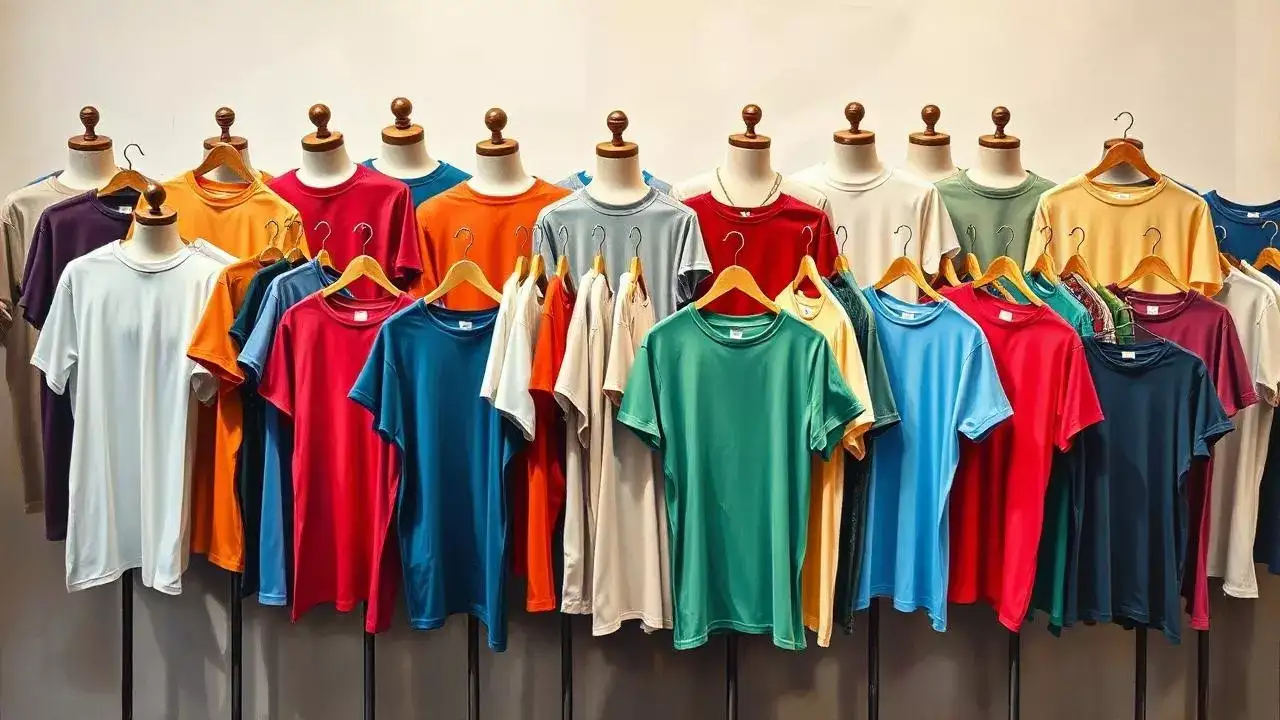
The Origins of the T-Shirt: From Undergarment to Fashion Icon
Contrary to popular belief, T-shirts were not always the casual outerwear they are today. Initially designed as undergarments in the late 19th century, they served as a practical layer beneath naval uniforms. Their simple design — characterised by a crew neckline and short sleeves — was perfect for comfort and mobility. It wasn’t until the mid-20th century that the T-shirt emerged into mainstream fashion, propelled by Hollywood stars and cultural movements that embraced its laid-back style.The Role of T-Shirts in Popular Culture and Social Movements
T-shirts have long been more than just clothing; they are a canvas for expression. From band logos and political slogans to art and activism, the T-shirt has played a crucial role in communicating identity and ideas. During the 1960s and 70s, they became symbols of rebellion and social change, often worn at protests and rallies. Even today, customised T-shirts remain a popular way to voice opinions or support causes, making them powerful tools beyond their fabric.The Science Behind the Comfort: Materials and Fabric Technology
Most people associate T-shirts with cotton, but modern designs incorporate a variety of fabrics and blends to enhance comfort and durability. Cotton remains the favourite for its breathability and softness, but synthetic fibres like polyester and elastane are often added for stretch and moisture-wicking properties. Advances in textile technology have also introduced sustainable options such as organic cotton, bamboo fibres, and recycled materials, addressing environmental concerns linked to fast fashion.Iconic T-Shirts That Changed Fashion History
Certain T-shirts have become legendary in the fashion world. The classic white crew neck T-shirt, popularised by actors like Marlon Brando and James Dean, challenged the notion that undergarments should remain hidden. Band T-shirts, especially those from rock legends like The Rolling Stones and Nirvana, transformed music merchandise into mainstream fashion. Additionally, graphic T-shirts from designers and brands have turned this humble garment into high-end fashion statements, proving its enduring adaptability.Environmental Impact and the Rise of Ethical T-Shirts
While T-shirts are affordable and accessible, the environmental footprint of producing billions annually is significant. Conventional cotton farming uses substantial water and pesticides, while synthetic fibres contribute to microplastic pollution. Fortunately, consumer awareness has sparked a shift towards eco-friendly practices. Ethical T-shirts made from organic materials, fair-trade labour, and recycled fabrics are increasingly popular, highlighting the importance of sustainability in modern apparel choices.Fun Facts You Probably Didn’t Know About T-Shirts
Did you know that the term “T-shirt” was officially added to the Oxford English Dictionary only in 1920? Or that the average person owns about seven T-shirts, wearing each multiple times before replacing them? T-shirts are also a staple in the merchandising industry, generating billions of pounds every year. From Guinness World Records for the largest T-shirt mosaic to ultra-expensive designer pieces, these facts reveal the surprising cultural and economic significance of this everyday item.More Than Just a Basic Garment
The T-shirt’s journey from a simple undergarment to a global icon of comfort, style, and self-expression is truly remarkable. Its adaptability to cultural shifts, innovations in fabric technology, and growing environmental awareness ensure it remains relevant in fashion and lifestyle. The next time you slip on your favourite T-shirt, remember it carries with it a rich heritage and a world of stories woven into its threads.Next Story