
Where To Find The Rarest Flower In The World

Among over 300,000 flowering plant species, one stands apart for its extreme rarity: the Middlemist Red . With only two known living specimens, this exquisite camellia is often called the rarest flower in the world . Its delicate deep pink blooms and green leaves make it a botanical marvel admired across continents.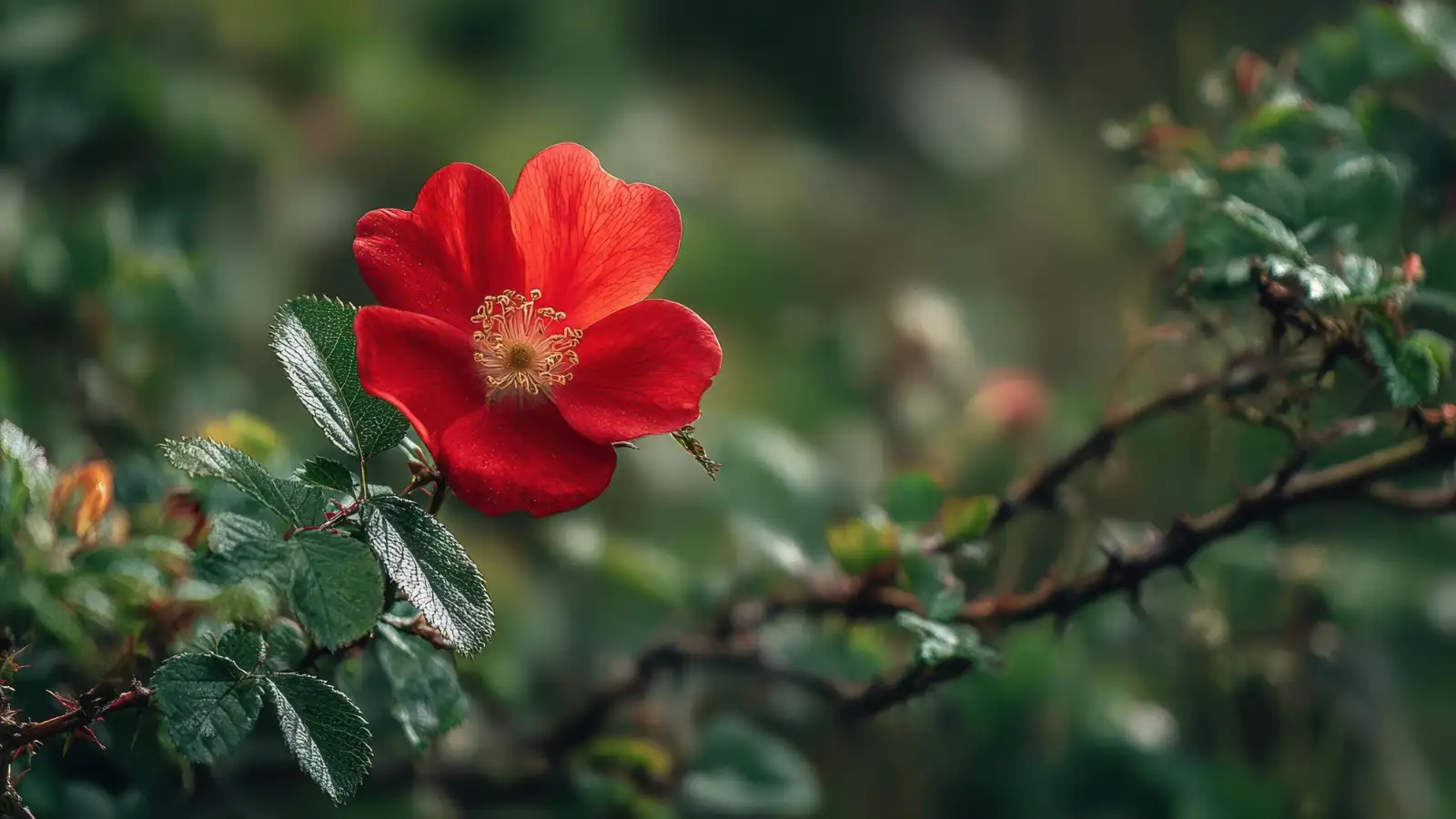
The Journey of Middlemist Red
The story begins in China, where the flower grew in gardens and was admired for its beauty. In 1804, English botanist John Middlemist transported specimens to England, introducing it to the West. By the early 19th century, the flower had become a prized possession among wealthy collectors, appearing in prestigious gardens such as Chiswick House and the conservatory of the Duke of Devonshire.
Miraculously, the flower survived events like The Blitz during World War II, which destroyed much of the surrounding estate. Meanwhile, another specimen made its way to Waitangi, New Zealand, where it has thrived since 1833.
Why Is Middlemist Red So Rare?
Several factors have contributed to the flower’s extreme scarcity:
Preserving the Rarest Flower
Conservationists now recognise the importance of protecting this rare camellia. Botanical gardens and plant enthusiasts are working to ensure its survival for future generations, keeping alive one of the most extraordinary flowering plants in the world.
You may also like
- Why you should never shower while the washing machine is running
- Four Essential Superfoods for Men's Health and Energy
- Quote of the day by Mata Amritanandamayi: “Happiness is not found in external circumstances but in the depths of your own being”
- New to the US? Avoid these 5 costly healthcare mistakes
- Effective Home Remedies to Combat Hemorrhoids
The Journey of Middlemist Red
The story begins in China, where the flower grew in gardens and was admired for its beauty. In 1804, English botanist John Middlemist transported specimens to England, introducing it to the West. By the early 19th century, the flower had become a prized possession among wealthy collectors, appearing in prestigious gardens such as Chiswick House and the conservatory of the Duke of Devonshire. Miraculously, the flower survived events like The Blitz during World War II, which destroyed much of the surrounding estate. Meanwhile, another specimen made its way to Waitangi, New Zealand, where it has thrived since 1833.
Why Is Middlemist Red So Rare?
Several factors have contributed to the flower’s extreme scarcity: - Overcollection in China: Excessive collection by plant enthusiasts nearly wiped it out in its native habitat.
- Restricted propagation: With only two plants known, the genetic pool is extremely limited, making cultivation challenging.
- Special growing conditions: The Middlemist Red requires light to partial shade, well-drained acidic soil, and precise temperature and humidity. Such conditions are difficult to replicate outside controlled environments.
A Botanical Wonder
The Middlemist Red is more than just a flower, it is a symbol of nature’s fragility and resilience. Its story reminds us how human fascination, environmental factors, and historical events can converge to shape the survival of a species.Preserving the Rarest Flower
Conservationists now recognise the importance of protecting this rare camellia. Botanical gardens and plant enthusiasts are working to ensure its survival for future generations, keeping alive one of the most extraordinary flowering plants in the world. 





More from our partners


Loving Newspoint? Download the app now
