
Which Place Is Known as the Sushi Capital of the World? Inside the Global Sushi Hub

When people search for the Sushi Capital of the World , one destination consistently stands above all others—Tokyo. As Japan’s dynamic capital, Tokyo is not only the birthplace of modern sushi culture but also the global standard for quality, precision, and tradition. From historic techniques to world-famous fine dining, the city defines what sushi means across the globe.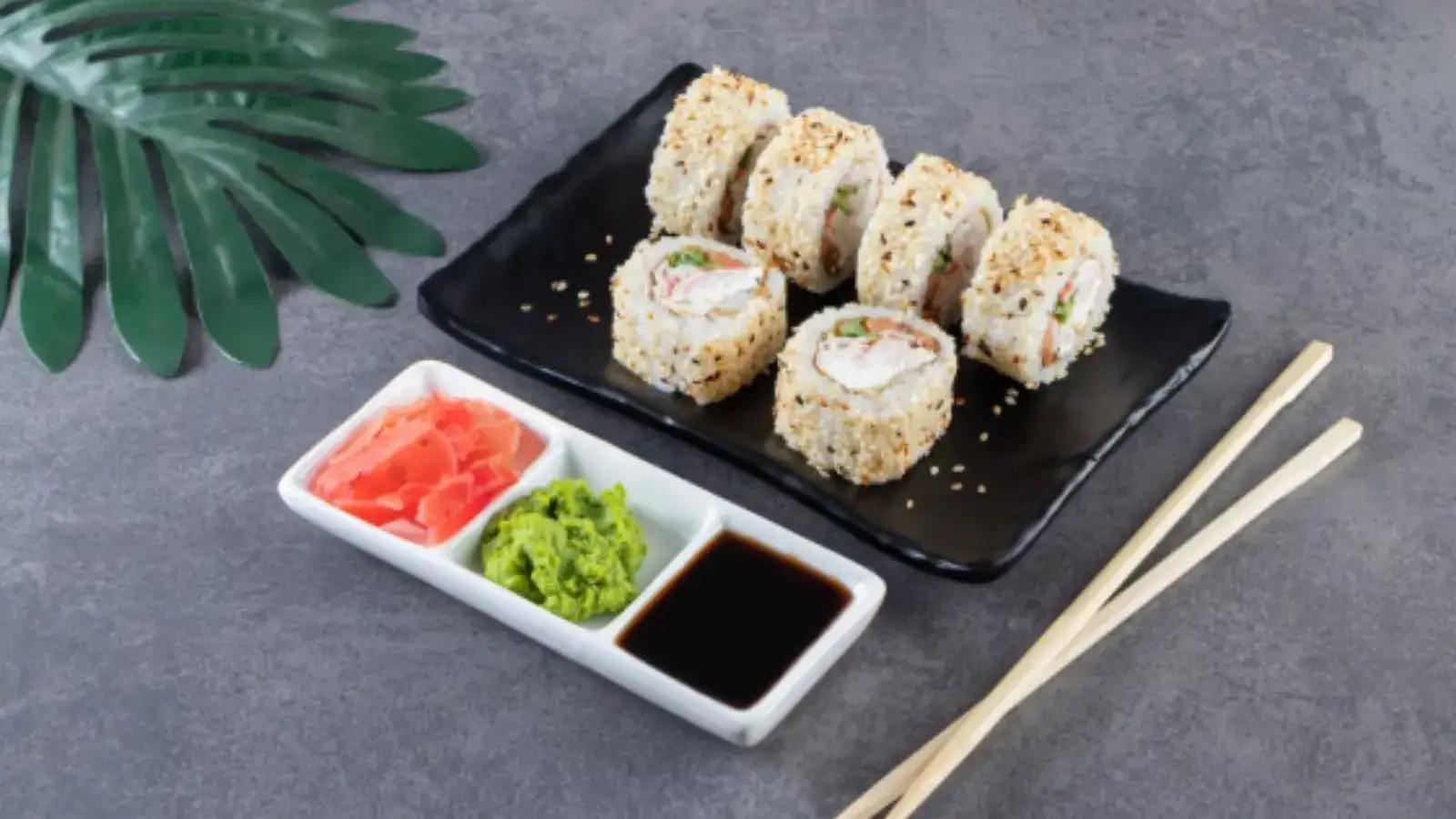
Tokyo’s Reputation as the Sushi Capital of the World
Tokyo has earned its status as the Sushi Capital of the World through centuries of culinary refinement and an unmatched commitment to perfection. In this city, sushi is treated with deep respect, where every detail - from rice temperature to fish cutting technique - is carefully controlled to create a flawless dining experience.
Generations of Master Sushi Chefs
A major reason behind Tokyo’s dominance is its extraordinary sushi craftsmanship. Becoming a professional sushi chef, known as an itamae, is not a short journey. Many chefs train for more than a decade before they are allowed to serve customers independently.
Their training focuses on precision in knife skills, perfecting rice seasoning, selecting seafood, and understanding texture balance. This discipline ensures that sushi in Tokyo consistently meets the highest standards in the world.
Unmatched Access to Fresh Seafood
Tokyo’s location and supply chain give it access to some of the freshest seafood on the planet. Every morning, restaurants receive premium-quality ingredients sourced from across Japan and international waters.
Common ingredients include tuna, salmon, sea urchin, squid, shellfish, and seasonal fish varieties that change throughout the year. This constant supply of ultra-fresh seafood plays a key role in maintaining Tokyo’s reputation as the Sushi Capital of the World.
Toyosu Market: The Lifeline of Tokyo’s Sushi Scene
At the heart of Tokyo’s seafood culture is the Toyosu Fish Market, one of the largest seafood markets in the world. It continues the legacy of the historic Tsukiji Market and serves as the main hub for sourcing top-grade fish.
This market ensures that chefs across Tokyo can maintain exceptional quality, reinforcing the city’s global leadership in sushi excellence.
A City of Michelin-Starred Sushi Experiences
Tokyo is home to more Michelin-starred restaurants than any other city in the world, and sushi establishments make up a significant portion of them. The city offers everything from intimate sushi counters with just a handful of seats to globally acclaimed fine-dining restaurants.
Many travellers visit Tokyo specifically to experience these exclusive omakase-style meals, where chefs design a personalised tasting journey for each guest.
The Birthplace of Modern Sushi
Tokyo is not just the Sushi Capital of the World today - it is also where modern sushi originated. During the Edo period (1603–1868), a style called Edomae sushi was created. It used fresh fish from Tokyo Bay and quickly became popular as fast, flavourful street food.
Over time, this evolved into the refined nigiri sushi we know today, making Tokyo the historical foundation of global sushi culture.
Sushi for Every Budget
One of Tokyo’s most appealing qualities is that sushi is accessible to everyone. While luxury dining attracts global attention, the city also offers affordable and casual options.
Visitors can enjoy conveyor belt sushi chains for quick meals, traditional neighbourhood sushi bars for authentic flavours, mid-range restaurants for balanced experiences, and high-end omakase counters for premium dining.
Sushi as a Cultural Art Form
In Tokyo, sushi goes far beyond food - it is considered an art form. Every element is intentional, from how rice is shaped to how fish is sliced and served.
Dining etiquette, chef interaction, and structured tasting sequences all contribute to a carefully crafted experience that reflects Japanese cultural values of discipline, respect, and precision.
Why Tokyo Remains the Undisputed Leader
While cities like Osaka, New York, and Los Angeles have strong sushi scenes, Tokyo continues to dominate due to its unmatched combination of history, craftsmanship, seafood quality, and cultural dedication. This powerful blend ensures its continued recognition as the Sushi Capital of the World.
Tokyo’s position as the Sushi Capital of the World is not accidental - it is the result of centuries of tradition, relentless craftsmanship, and an unwavering commitment to excellence. For anyone seeking the most authentic and refined sushi experience, Tokyo remains the ultimate destination.
Tokyo’s Reputation as the Sushi Capital of the World
Tokyo has earned its status as the Sushi Capital of the World through centuries of culinary refinement and an unmatched commitment to perfection. In this city, sushi is treated with deep respect, where every detail - from rice temperature to fish cutting technique - is carefully controlled to create a flawless dining experience. Generations of Master Sushi Chefs
A major reason behind Tokyo’s dominance is its extraordinary sushi craftsmanship. Becoming a professional sushi chef, known as an itamae, is not a short journey. Many chefs train for more than a decade before they are allowed to serve customers independently.Their training focuses on precision in knife skills, perfecting rice seasoning, selecting seafood, and understanding texture balance. This discipline ensures that sushi in Tokyo consistently meets the highest standards in the world.
Unmatched Access to Fresh Seafood
Tokyo’s location and supply chain give it access to some of the freshest seafood on the planet. Every morning, restaurants receive premium-quality ingredients sourced from across Japan and international waters.Common ingredients include tuna, salmon, sea urchin, squid, shellfish, and seasonal fish varieties that change throughout the year. This constant supply of ultra-fresh seafood plays a key role in maintaining Tokyo’s reputation as the Sushi Capital of the World.
Toyosu Market: The Lifeline of Tokyo’s Sushi Scene
At the heart of Tokyo’s seafood culture is the Toyosu Fish Market, one of the largest seafood markets in the world. It continues the legacy of the historic Tsukiji Market and serves as the main hub for sourcing top-grade fish. This market ensures that chefs across Tokyo can maintain exceptional quality, reinforcing the city’s global leadership in sushi excellence.
A City of Michelin-Starred Sushi Experiences
Tokyo is home to more Michelin-starred restaurants than any other city in the world, and sushi establishments make up a significant portion of them. The city offers everything from intimate sushi counters with just a handful of seats to globally acclaimed fine-dining restaurants.You may also like
- Simple Breathing Technique for Better Sleep and Health
- Pedro Pascal enters the house of Chanel: This new ambassador casting signals a bold era for the maison
- Benefits of Drinking Milk and Honey for Men
- Health Benefits of Soaked Walnuts: What You Need to Know
- DA Delay Sparks Nationwide Protest Call: Central Govt Employees to Hold Demonstrations on April 16
Many travellers visit Tokyo specifically to experience these exclusive omakase-style meals, where chefs design a personalised tasting journey for each guest.
The Birthplace of Modern Sushi
Tokyo is not just the Sushi Capital of the World today - it is also where modern sushi originated. During the Edo period (1603–1868), a style called Edomae sushi was created. It used fresh fish from Tokyo Bay and quickly became popular as fast, flavourful street food. Over time, this evolved into the refined nigiri sushi we know today, making Tokyo the historical foundation of global sushi culture.
Sushi for Every Budget
One of Tokyo’s most appealing qualities is that sushi is accessible to everyone. While luxury dining attracts global attention, the city also offers affordable and casual options. Visitors can enjoy conveyor belt sushi chains for quick meals, traditional neighbourhood sushi bars for authentic flavours, mid-range restaurants for balanced experiences, and high-end omakase counters for premium dining.
Sushi as a Cultural Art Form
In Tokyo, sushi goes far beyond food - it is considered an art form. Every element is intentional, from how rice is shaped to how fish is sliced and served. Dining etiquette, chef interaction, and structured tasting sequences all contribute to a carefully crafted experience that reflects Japanese cultural values of discipline, respect, and precision.
Why Tokyo Remains the Undisputed Leader
While cities like Osaka, New York, and Los Angeles have strong sushi scenes, Tokyo continues to dominate due to its unmatched combination of history, craftsmanship, seafood quality, and cultural dedication. This powerful blend ensures its continued recognition as the Sushi Capital of the World. Tokyo’s position as the Sushi Capital of the World is not accidental - it is the result of centuries of tradition, relentless craftsmanship, and an unwavering commitment to excellence. For anyone seeking the most authentic and refined sushi experience, Tokyo remains the ultimate destination.






More from our partners


Loving Newspoint? Download the app now
