
Which Country Is Known as the Land of Morning Calm and Why?

If you have ever wondered which country is called the Land of Morning Calm , the answer is South Korea. This poetic title perfectly reflects the nation’s tranquil dawn landscapes, where mist floats gently over forested mountains and ancient temples echo with soft morning bells. The phrase beautifully captures the country’s deep-rooted harmony between nature, history, and modern life - a balance that continues to define South Korea today.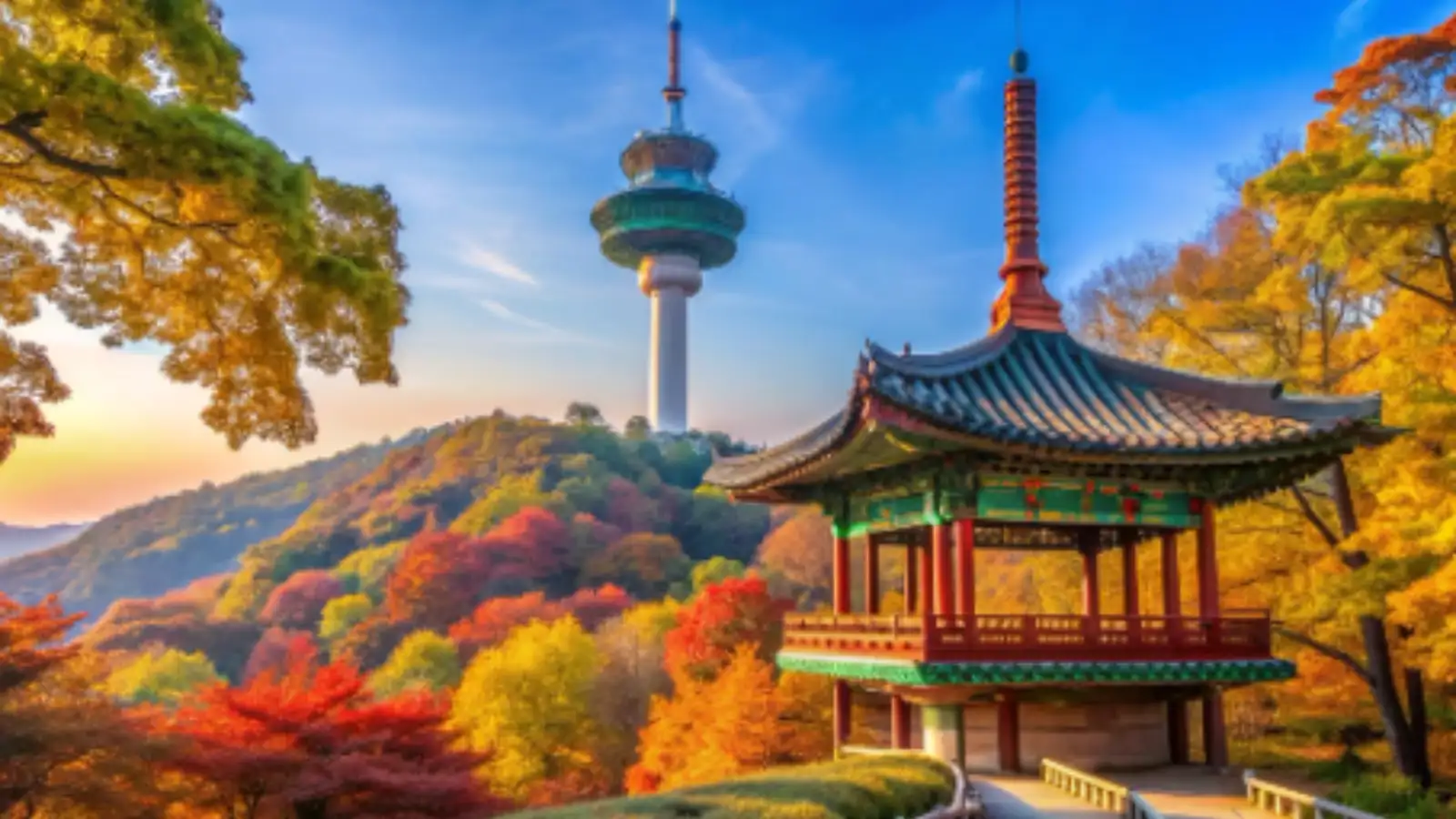
Why Is South Korea Known as the Land of Morning Calm?
The nickname traces back to the historic name Joseon (also spelt Chosun), the dynasty that ruled the Korean Peninsula for over five centuries. The meaning of “Joseon” translates closely to “Morning Calm,” symbolising peace, clarity, and natural beauty at daybreak.
This isn’t merely symbolic. Across the countryside, early mornings reveal:
Even after centuries of change, growth, and resilience, that sense of calm still defines much of the country’s identity.
Seoul: Where Ancient Heritage Meets Modern Energy
The capital city of Seoul showcases a completely different side of South Korea. Here, futuristic skyscrapers stand beside centuries-old palaces, and neon-lit streets buzz late into the night.
Gyeongbokgung Palace – A Symbol of Royal Grandeur
At the heart of the city stands Gyeongbokgung Palace, originally constructed in 1395. It remains the most iconic royal palace of the Joseon era. Framed by the dramatic peaks of Bukhansan, the palace offers a striking blend of architecture and nature.
Visitors are especially drawn to its elaborate changing of the guard ceremony — a colourful tradition that brings history vividly to life.
Changdeokgung Palace and the Secret Garden
Another architectural treasure is Changdeokgung Palace, recognised as a UNESCO World Heritage Site. Its famed Secret Garden offers a peaceful retreat filled with lotus ponds, forested pathways, and elegant pavilions - a serene escape from the city’s rush.
Exploring Seoul’s Cultural Neighbourhoods
Seoul proves that while South Korea is the Land of Morning Calm, it is equally a city that never truly sleeps.
Busan: Coastal Beauty with Urban Edge
Moving south, Busan offers a completely different atmosphere. As South Korea’s second-largest city, Busan blends seaside charm with rugged coastal energy.
Haeundae Beach – Korea’s Most Famous Shoreline
Haeundae Beach is one of the country’s best-known beaches, lined with high-rise hotels and vibrant boardwalks. It’s a favourite summer destination for both locals and tourists.
Gamcheon Culture Village – A Colourful Transformation
Perched on a hillside, Gamcheon Culture Village features pastel-painted houses and winding alleys. Once a modest residential settlement, it has evolved into a lively arts district filled with murals, galleries, and cafés.
Jagalchi Fish Market – A Feast for the Senses
Seafood lovers must visit Jagalchi Fish Market, the country’s largest seafood market. Here, visitors can select fresh fish and shellfish directly from vendors and enjoy them prepared on-site — an authentic Korean culinary experience.
Gyeongju: A Journey into Korea’s Ancient Past
For travellers seeking historical depth, Gyeongju offers a glimpse into Korea’s ancient roots. Once the capital of the powerful Silla Kingdom, the city feels like a living museum.
Daereungwon Tomb Complex
The expansive green fields of Daereungwon Tomb Complex are dotted with massive royal burial mounds. The landscape is both serene and surreal, offering a rare window into ancient Korean royalty.
Bulguksa Temple – A UNESCO Treasure
One of Korea’s most celebrated landmarks, Bulguksa Temple, is also a UNESCO World Heritage Site. Still active with Buddhist monks, the temple represents the pinnacle of classical Buddhist architecture in East Asia. Visiting during spring, when flowers bloom around its stone terraces, creates a breathtaking scene of colour and tradition.
The Land of Morning Calm: A Perfect Balance of Old and New
So, which country is called the Land of Morning Calm? Without question, it is South Korea - a nation where tranquil mountain temples coexist with high-tech skylines, where ancient dynasties shaped a culture that thrives in the modern world.
Whether you seek peaceful countryside mornings, rich historical heritage, dynamic city life, or coastal beauty, South Korea offers an unforgettable blend of calm and vibrancy. Its poetic nickname is not just a historical phrase — it is an experience waiting to be discovered.
Why Is South Korea Known as the Land of Morning Calm?
The nickname traces back to the historic name Joseon (also spelt Chosun), the dynasty that ruled the Korean Peninsula for over five centuries. The meaning of “Joseon” translates closely to “Morning Calm,” symbolising peace, clarity, and natural beauty at daybreak.
This isn’t merely symbolic. Across the countryside, early mornings reveal:
- Soft light spreading across rolling green hills
- Buddhist monasteries tucked quietly into mountain valleys
- Rivers glistening under the first rays of sunlight
- Cherry blossoms drifting through temple courtyards in spring
Even after centuries of change, growth, and resilience, that sense of calm still defines much of the country’s identity.
Seoul: Where Ancient Heritage Meets Modern Energy
The capital city of Seoul showcases a completely different side of South Korea. Here, futuristic skyscrapers stand beside centuries-old palaces, and neon-lit streets buzz late into the night.
Gyeongbokgung Palace – A Symbol of Royal Grandeur
At the heart of the city stands Gyeongbokgung Palace, originally constructed in 1395. It remains the most iconic royal palace of the Joseon era. Framed by the dramatic peaks of Bukhansan, the palace offers a striking blend of architecture and nature.
Visitors are especially drawn to its elaborate changing of the guard ceremony — a colourful tradition that brings history vividly to life.
Changdeokgung Palace and the Secret Garden
Another architectural treasure is Changdeokgung Palace, recognised as a UNESCO World Heritage Site. Its famed Secret Garden offers a peaceful retreat filled with lotus ponds, forested pathways, and elegant pavilions - a serene escape from the city’s rush.
Exploring Seoul’s Cultural Neighbourhoods
- Insadong – Perfect for a relaxed morning stroll, this area is known for traditional tea houses, pottery shops, art galleries, and authentic Korean cuisine.
- Hongdae – Famous for youthful energy, live music, and vibrant nightlife.
- Itaewon – A global dining hotspot offering international flavours, including popular Indian restaurants.
Seoul proves that while South Korea is the Land of Morning Calm, it is equally a city that never truly sleeps.
Busan: Coastal Beauty with Urban Edge
Moving south, Busan offers a completely different atmosphere. As South Korea’s second-largest city, Busan blends seaside charm with rugged coastal energy.
Haeundae Beach – Korea’s Most Famous Shoreline
Haeundae Beach is one of the country’s best-known beaches, lined with high-rise hotels and vibrant boardwalks. It’s a favourite summer destination for both locals and tourists.
Gamcheon Culture Village – A Colourful Transformation
Perched on a hillside, Gamcheon Culture Village features pastel-painted houses and winding alleys. Once a modest residential settlement, it has evolved into a lively arts district filled with murals, galleries, and cafés.
Jagalchi Fish Market – A Feast for the Senses
Seafood lovers must visit Jagalchi Fish Market, the country’s largest seafood market. Here, visitors can select fresh fish and shellfish directly from vendors and enjoy them prepared on-site — an authentic Korean culinary experience.
Gyeongju: A Journey into Korea’s Ancient Past
For travellers seeking historical depth, Gyeongju offers a glimpse into Korea’s ancient roots. Once the capital of the powerful Silla Kingdom, the city feels like a living museum.
Daereungwon Tomb Complex
The expansive green fields of Daereungwon Tomb Complex are dotted with massive royal burial mounds. The landscape is both serene and surreal, offering a rare window into ancient Korean royalty.
Bulguksa Temple – A UNESCO Treasure
One of Korea’s most celebrated landmarks, Bulguksa Temple, is also a UNESCO World Heritage Site. Still active with Buddhist monks, the temple represents the pinnacle of classical Buddhist architecture in East Asia. Visiting during spring, when flowers bloom around its stone terraces, creates a breathtaking scene of colour and tradition.
The Land of Morning Calm: A Perfect Balance of Old and New
So, which country is called the Land of Morning Calm? Without question, it is South Korea - a nation where tranquil mountain temples coexist with high-tech skylines, where ancient dynasties shaped a culture that thrives in the modern world.
Whether you seek peaceful countryside mornings, rich historical heritage, dynamic city life, or coastal beauty, South Korea offers an unforgettable blend of calm and vibrancy. Its poetic nickname is not just a historical phrase — it is an experience waiting to be discovered.
Next Story