
Which Country Produces The Most Mustard Seeds In The World?

Nepal is the largest producer of mustard seeds in the world, contributing over 22% of global output. The country’s fertile Terai region, cool winters, and strong cultural reliance on mustard oil make it a leader in mustard farming. Mustard seeds are not just a staple crop but an integral part of Nepalese cuisine, culture, and economy.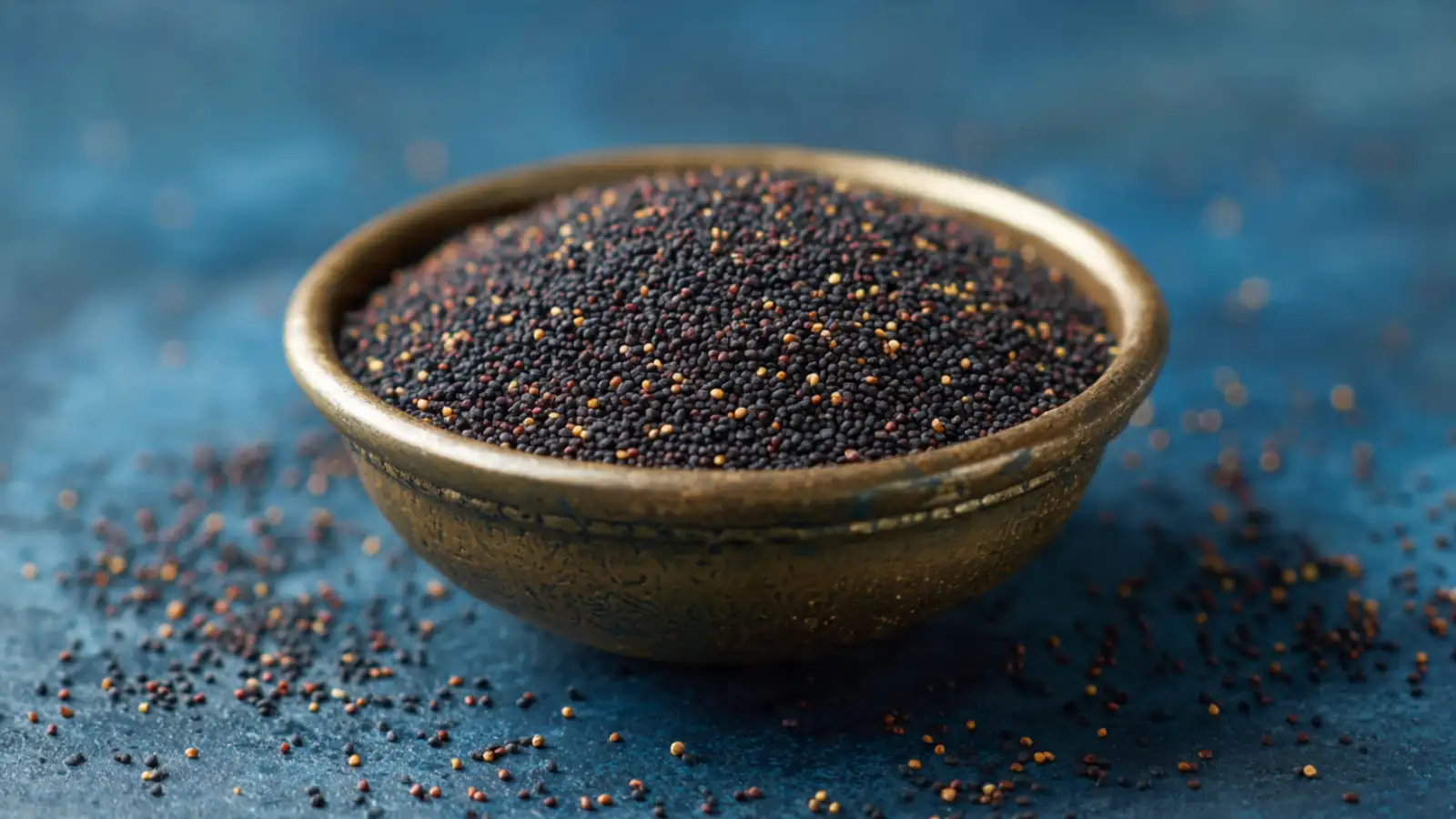
How Much Mustard Seed Does Nepal Produce?
In 2023, Nepal produced approximately 208,542 tonnes of mustard seeds, cultivated mainly in the winter season (Rabi). Provinces like Madhesh, Lumbini, and Koshi dominate cultivation, with smallholder farmers relying on mustard as a key cash crop. The golden mustard fields bloom beautifully between November and February, harvested by March.
Top 5 Mustard Seed Producing Countries (2023)
Nepal leads due to favourable agro-climatic conditions, while Russia and Canada follow closely with large-scale, mechanised farming.
Why Nepal Leads in Mustard Seed Production
Nepal’s fertile Terai plains, cool winters, and traditional use of mustard oil make it ideal for mustard farming. Mustard seeds are used for cooking, oil extraction, and cultural rituals, strengthening their importance in the country.
Read More: Which Country Is The Highest Producer Of Java Plum (Jamun)?
Other Major Mustard Seed Producers
Interesting Facts About Mustard Seeds
Nepal’s top position in mustard seed production highlights the country’s unique agro-climatic advantages and cultural connection to mustard oil. Along with other global producers like Russia, Canada, and Malaysia, Nepal continues to shape the world’s mustard seed market, both in production and exports.
How Much Mustard Seed Does Nepal Produce?
In 2023, Nepal produced approximately 208,542 tonnes of mustard seeds, cultivated mainly in the winter season (Rabi). Provinces like Madhesh, Lumbini, and Koshi dominate cultivation, with smallholder farmers relying on mustard as a key cash crop. The golden mustard fields bloom beautifully between November and February, harvested by March. Top 5 Mustard Seed Producing Countries (2023)
| Rank | Country | Annual Production (Tonnes) |
|---|---|---|
| 1 | Nepal | 208,500 |
| 2 | Russia | 171,600 |
| 3 | Canada | 170,700 |
| 4 | Malaysia | 146,100 |
| 5 | Ukraine | 76,900 |
You may also like
- Millions of UK drivers could be at risk of £1,000 fines
- Baisakhi 2026: Is Baisakhi on April 13 or 14? Find out the correct date, the significance of the worship, and key details..
- Dennis the Menace is 75: 5 things kids can learn from Dennis
- How Hanuman Taught Even Gods a Lesson in Humility
- Don't Let Summer Melt Your Makeup Try This
Why Nepal Leads in Mustard Seed Production
Nepal’s fertile Terai plains, cool winters, and traditional use of mustard oil make it ideal for mustard farming. Mustard seeds are used for cooking, oil extraction, and cultural rituals, strengthening their importance in the country. Read More: Which Country Is The Highest Producer Of Java Plum (Jamun)?
Other Major Mustard Seed Producers
- Russia: Large temperate farms, high export focus
- Canada: Leading area under cultivation, key exporter to Europe
- Malaysia: Emerging producer in Asia
- Ukraine: Rising production due to European demand
Interesting Facts About Mustard Seeds
- Varieties of Mustard Seeds: Yellow, brown, and black seeds differ in taste, oil content, and culinary use.
- Mustard Oil in Nepal: Beyond cooking, it’s used for massages, skincare, and religious rituals.
- Canada’s Global Exports: Canadian seeds are processed into Dijon mustard and exported worldwide.
- Health Benefits: Rich in glucosinolates and omega-3 fatty acids, mustard seeds aid digestion and reduce inflammation.
- Cultural Significance: Mustard flowers symbolise prosperity in Nepal and India, celebrated during festivals like Holi and Basant Panchami.
Nepal’s top position in mustard seed production highlights the country’s unique agro-climatic advantages and cultural connection to mustard oil. Along with other global producers like Russia, Canada, and Malaysia, Nepal continues to shape the world’s mustard seed market, both in production and exports.






More from our partners


Loving Newspoint? Download the app now
