
Which Dance Form Is The Oldest In The World?

Dance has been a part of human culture since ancient times, initially used for communication, celebration, and spiritual rituals. Among countless styles across history, Bharatanatyam stands out as the oldest known classical dance form in the world. Its foundation is documented in the Natya Shastra , an ancient Indian treatise on performing arts composed between 200 BCE and 200 CE.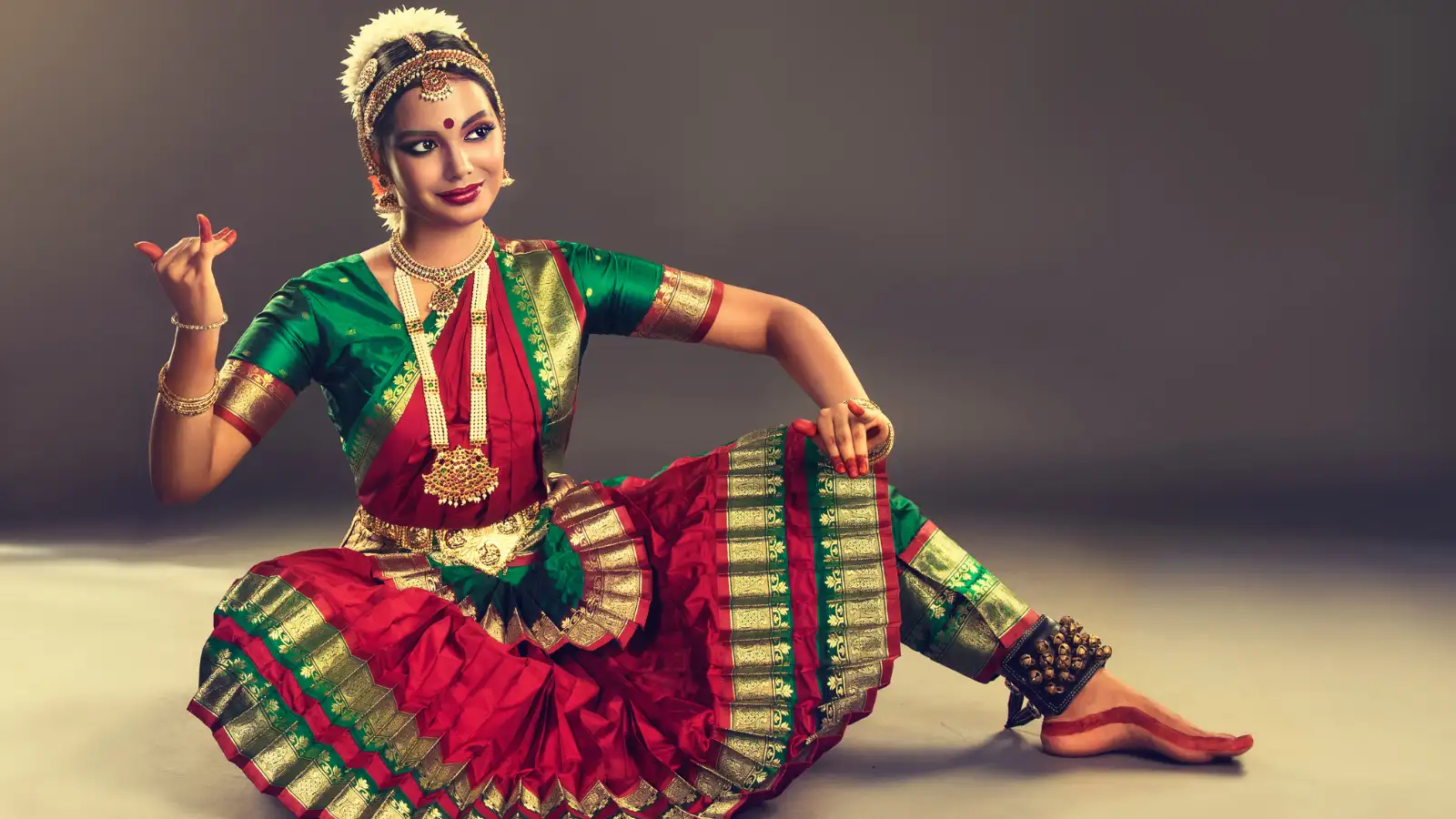
Origins and History
Originally known as Sadir Attam , Bharatanatyam was performed by Devadasis, temple dancers dedicated to deities. The Chidambaram temple carvings from the 10th century depict 108 karanas, the fundamental movements of this dance. Over centuries, it evolved while maintaining its spiritual and artistic essence.
During the colonial era, the dance almost vanished due to bans, but it was revived in the 1930s by visionaries like E. Krishna Iyer and Rukmini Devi Arundale, who moved it from temples to public stages and renamed it Bharatanatyam (Bha = Bhava/Emotion, Ra = Raga/Melody, Ta = Tala/Rhythm).
Read More: Which Indian City Leads In Mushroom Production?
Unique Features of Bharatanatyam
Araimandi Pose – A half-squat posture that improves balance and strengthens core muscles.
Mudras – 28 single-hand and 24 double-hand gestures express over 500 meanings.
Rhythm (Tala) – Complex Carnatic music cycles, sometimes in 5, 7, or 9 counts.
Sacred Geometry – Movements form triangles and circles, reflecting nature’s symmetry.
Ghungroo Bells – Dancers wear 50–200 bells per ankle to maintain rhythmic precision.
Costumes and Jewellery
The Kanchipuram silk costume with pleated fan highlights geometric poses during movements. Temple jewellery, including gold-coated silver pieces, supports posture and adds visual elegance. Bold makeup with Alta emphasises expressions and gestures, essential for storytelling.
Global Influence and Modern Relevance
Today, Bharatanatyam is performed worldwide. It enhances physical fitness, cognitive coordination, and cultural understanding. Compared to other Indian classical dances like Kathak and Odissi, Bharatanatyam is highly structured, precise, and deeply symbolic.
Bharatanatyam remains a testament to India’s rich artistic heritage, blending devotion, history, and science in a timeless dance form.
Origins and History
Originally known as Sadir Attam , Bharatanatyam was performed by Devadasis, temple dancers dedicated to deities. The Chidambaram temple carvings from the 10th century depict 108 karanas, the fundamental movements of this dance. Over centuries, it evolved while maintaining its spiritual and artistic essence. During the colonial era, the dance almost vanished due to bans, but it was revived in the 1930s by visionaries like E. Krishna Iyer and Rukmini Devi Arundale, who moved it from temples to public stages and renamed it Bharatanatyam (Bha = Bhava/Emotion, Ra = Raga/Melody, Ta = Tala/Rhythm).
Read More: Which Indian City Leads In Mushroom Production?
Unique Features of Bharatanatyam
Araimandi Pose – A half-squat posture that improves balance and strengthens core muscles. Mudras – 28 single-hand and 24 double-hand gestures express over 500 meanings.
Rhythm (Tala) – Complex Carnatic music cycles, sometimes in 5, 7, or 9 counts.
Sacred Geometry – Movements form triangles and circles, reflecting nature’s symmetry.
Ghungroo Bells – Dancers wear 50–200 bells per ankle to maintain rhythmic precision.
Costumes and Jewellery
The Kanchipuram silk costume with pleated fan highlights geometric poses during movements. Temple jewellery, including gold-coated silver pieces, supports posture and adds visual elegance. Bold makeup with Alta emphasises expressions and gestures, essential for storytelling. Global Influence and Modern Relevance
Today, Bharatanatyam is performed worldwide. It enhances physical fitness, cognitive coordination, and cultural understanding. Compared to other Indian classical dances like Kathak and Odissi, Bharatanatyam is highly structured, precise, and deeply symbolic. Bharatanatyam remains a testament to India’s rich artistic heritage, blending devotion, history, and science in a timeless dance form.
Next Story