
Which Exotic Island Is Called The Island Of Pepper?

Pepper is one of the oldest and most widely traded spices in history. Valued for its sharp flavour, preservative qualities and medicinal uses, it shaped global trade routes for centuries. Among the regions closely associated with this prized spice, Zanzibar Island stands out. Often referred to as the Island of Pepper , Zanzibar earned international recognition for its thriving spice plantations and export prominence.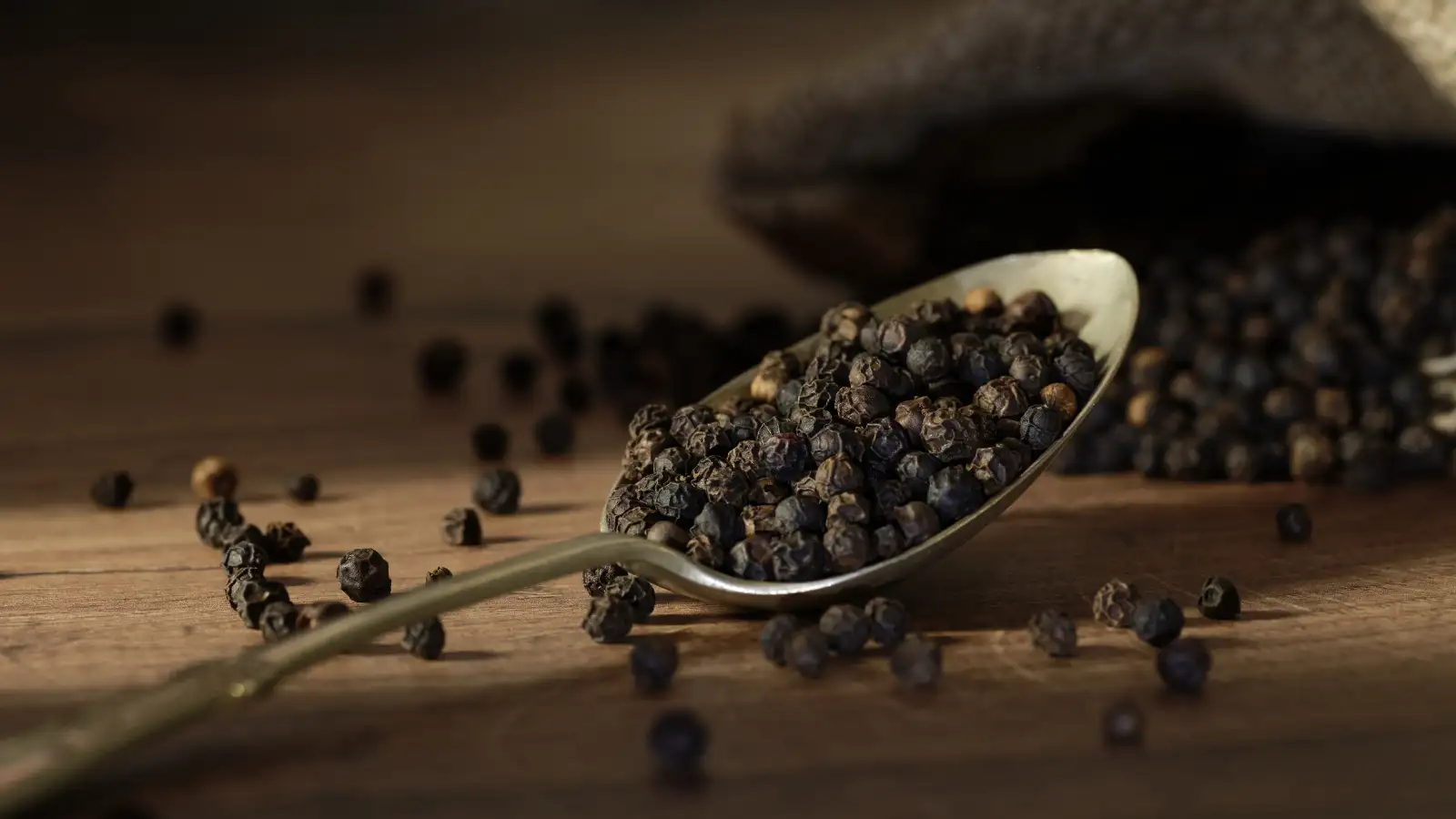
Where Is the Island of Pepper Located?
Zanzibar lies off the eastern coast of Africa, near mainland Tanzania, in the Indian Ocean. It forms part of the Zanzibar Archipelago and occupies a strategic position along historic maritime trade routes. Its coastal location allowed merchants from Africa, Arabia, India and Europe to access its valuable spice produce with relative ease.
Why Is Zanzibar Called the Island of Pepper?
Zanzibar gained the title Island of Pepper due to its significant role in pepper cultivation and spice exports during the height of the Indian Ocean trade network. While the island is also famous for cloves, it historically produced black pepper, cinnamon and nutmeg. Pepper farming contributed greatly to Zanzibar’s agricultural economy and established its reputation as a spice hub.
The island’s tropical climate marked by warm temperatures, consistent humidity and fertile soils — provides ideal conditions for growing black pepper vines. These climatic advantages enhance essential oil concentration, improving the spice’s aroma and flavour. Such favourable growing conditions helped Zanzibar maintain strong demand in international markets.
Historical Importance in Global Spice Trade
For centuries, Zanzibar served as a major trading centre connecting African producers with global buyers. Traders from the Middle East, India and Europe transported pepper and other spices along Indian Ocean routes. The Zanzibar spice trade history highlights how the island became a key link in the global exchange of goods and culture.
Economic and Cultural Significance
Spice cultivation, including pepper farming, supported local livelihoods and strengthened Zanzibar’s export economy. The spice trade influenced the island’s architecture, culture and demographic diversity, reflecting centuries of interaction with Arab and Asian traders.
Zanzibar Island remains widely recognised as the Island of Pepper, a title rooted in its historic spice cultivation and central role in global trade networks.
Where Is the Island of Pepper Located?
Zanzibar lies off the eastern coast of Africa, near mainland Tanzania, in the Indian Ocean. It forms part of the Zanzibar Archipelago and occupies a strategic position along historic maritime trade routes. Its coastal location allowed merchants from Africa, Arabia, India and Europe to access its valuable spice produce with relative ease. Why Is Zanzibar Called the Island of Pepper?
Zanzibar gained the title Island of Pepper due to its significant role in pepper cultivation and spice exports during the height of the Indian Ocean trade network. While the island is also famous for cloves, it historically produced black pepper, cinnamon and nutmeg. Pepper farming contributed greatly to Zanzibar’s agricultural economy and established its reputation as a spice hub.You may also like
- Upcoming Rare Lunar Eclipse on March 3, 2026: What to Expect
- Celebrating Holi: Traditions and Remedies to Ward Off Evil Eye
- PAN Card: Beware! Someone could use your PAN card to take out a loan. Note these important points to avoid fraud...
- Tips: Magical bundle of garlic, mustard and Holika ash, learn the home remedy to ward off the evil eye..
- Essential Items to Remove from Your Home Before Holi 2026
The island’s tropical climate marked by warm temperatures, consistent humidity and fertile soils — provides ideal conditions for growing black pepper vines. These climatic advantages enhance essential oil concentration, improving the spice’s aroma and flavour. Such favourable growing conditions helped Zanzibar maintain strong demand in international markets.
Historical Importance in Global Spice Trade
For centuries, Zanzibar served as a major trading centre connecting African producers with global buyers. Traders from the Middle East, India and Europe transported pepper and other spices along Indian Ocean routes. The Zanzibar spice trade history highlights how the island became a key link in the global exchange of goods and culture.Economic and Cultural Significance
Spice cultivation, including pepper farming, supported local livelihoods and strengthened Zanzibar’s export economy. The spice trade influenced the island’s architecture, culture and demographic diversity, reflecting centuries of interaction with Arab and Asian traders. Zanzibar Island remains widely recognised as the Island of Pepper, a title rooted in its historic spice cultivation and central role in global trade networks.






More from our partners


Loving Newspoint? Download the app now
