
Which Indian Classical Dance Was Performed Only by Women? Know Its Origins and Grace

When it comes to Indian classical dance forms, each style reflects a unique blend of culture, mythology, and artistic expression. While most dances are open to all genders today, Mohiniyattam stands out as the classical dance traditionally performed only by women in India. Known for its grace and elegance, this dance form beautifully captures the essence of feminine charm and storytelling.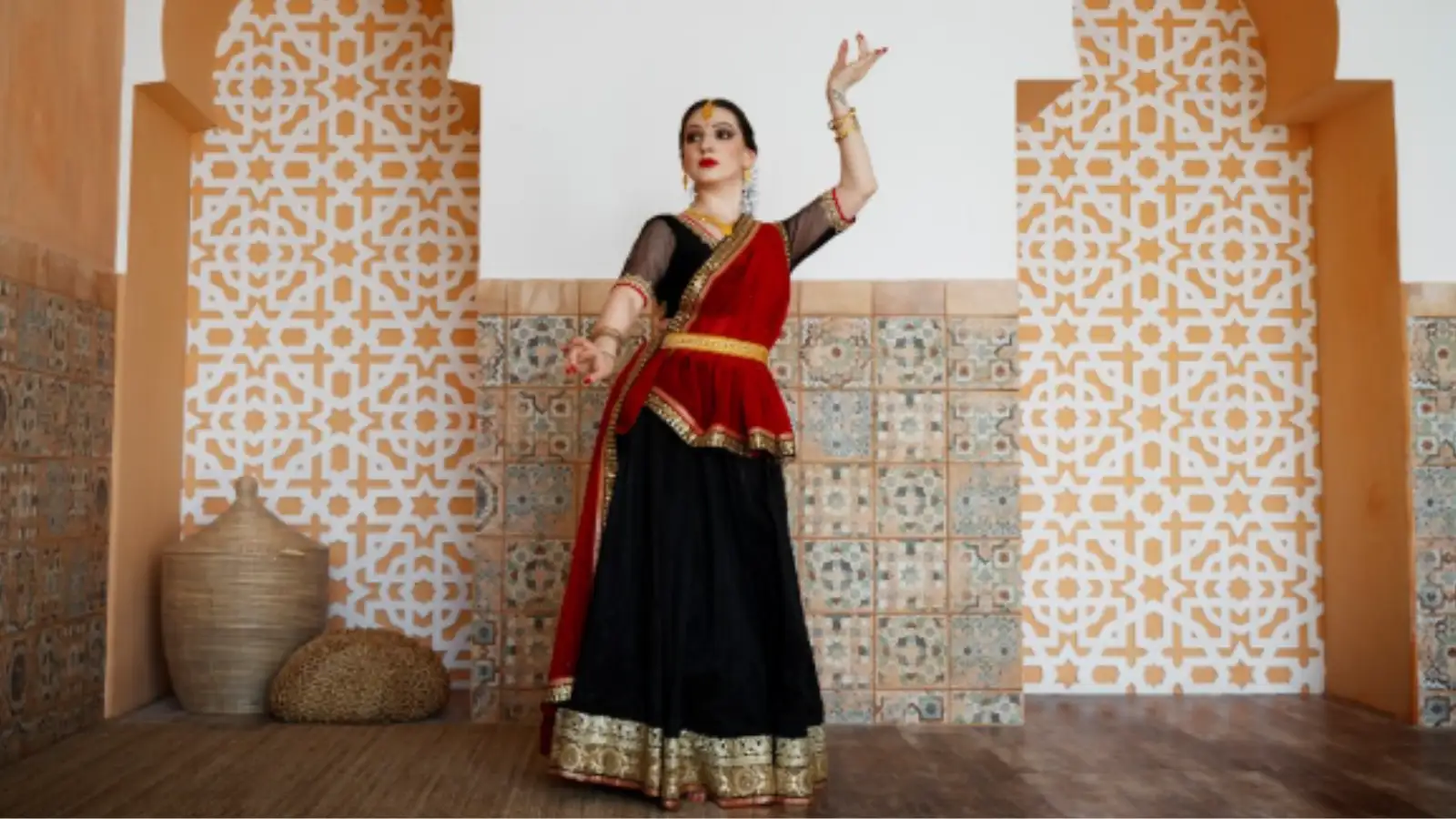
What is Mohiniyattam? The Dance of the Enchantress
Mohiniyattam is a classical dance that originated in the southern state of Kerala. The name itself reflects its essence:
Often called the “Dance of the Enchantress,” Mohiniyattam is defined by soft, flowing movements, delicate expressions, and a calm, lyrical rhythm. It is recognised as one of the eight classical dance forms by the Sangeet Natak Akademi.
Why Mohiniyattam Was Traditionally Performed Only by Women
Historically, Mohiniyattam was considered a female-only dance form, rooted in temple traditions where women performed devotional dances.
Unlike energetic forms like Kathakali, Mohiniyattam celebrates gentleness and elegance, making it closely associated with feminine expression.
Mythological Roots Behind Mohiniyattam
The origins of Mohiniyattam are deeply linked to Hindu mythology, especially stories of Lord Vishnu taking the form of Mohini.
Two famous legends include:
These tales highlight beauty, intelligence, and charm - qualities that define the spirit of Mohiniyattam.
Lasya vs Tandava: The Feminine Core of Mohiniyattam
According to the ancient treatise Natya Shastra, dance is broadly divided into two styles:
Mohiniyattam is a pure representation of Lasya, focusing on:
Iconic Costume: The Beauty of White and Gold
The visual identity of Mohiniyattam is as captivating as its movements.
This minimal yet elegant look enhances the dancer’s soft movements, creating a serene, almost moonlit appearance on stage.
Can Men Perform Mohiniyattam Today?
While Mohiniyattam was historically restricted to women, modern times have brought change.
Mohiniyattam vs Bharatanatyam: Key Differences
Here’s how Mohiniyattam differs from Bharatanatyam:
Why Mohiniyattam Still Enchants the World
Mohiniyattam remains a timeless celebration of grace and femininity. Its slow, rhythmic movements and expressive storytelling continue to captivate audiences worldwide. Even as it evolves with time, its identity as the “Dance of the Enchantress” remains intact - making it one of India’s most unique and elegant classical dance forms.
What is Mohiniyattam? The Dance of the Enchantress
Mohiniyattam is a classical dance that originated in the southern state of Kerala. The name itself reflects its essence:
- Mohini: The enchantress who mesmerises
- Aattam: Graceful rhythmic movement
Often called the “Dance of the Enchantress,” Mohiniyattam is defined by soft, flowing movements, delicate expressions, and a calm, lyrical rhythm. It is recognised as one of the eight classical dance forms by the Sangeet Natak Akademi.
Why Mohiniyattam Was Traditionally Performed Only by Women
Historically, Mohiniyattam was considered a female-only dance form, rooted in temple traditions where women performed devotional dances.
- It emphasises Lasya, the feminine style of dance
- Movements are soft, circular, and graceful
- Expressions focus on subtle storytelling rather than dramatic gestures
Unlike energetic forms like Kathakali, Mohiniyattam celebrates gentleness and elegance, making it closely associated with feminine expression.
Mythological Roots Behind Mohiniyattam
The origins of Mohiniyattam are deeply linked to Hindu mythology, especially stories of Lord Vishnu taking the form of Mohini.
Two famous legends include:
- Amrita Manthan: Mohini distracts demons to protect the nectar of immortality
- Bhasmasura Story: Mohini tricks the demon into self-destruction through dance
These tales highlight beauty, intelligence, and charm - qualities that define the spirit of Mohiniyattam.
Lasya vs Tandava: The Feminine Core of Mohiniyattam
According to the ancient treatise Natya Shastra, dance is broadly divided into two styles:
- Tandava: Powerful, energetic, associated with Lord Shiva
- Lasya: Graceful, delicate, associated with Goddess Parvati
Mohiniyattam is a pure representation of Lasya, focusing on:
- Gentle body sways
- Fluid transitions
- Expressive facial storytelling (Mukhabhinaya)
Iconic Costume: The Beauty of White and Gold
The visual identity of Mohiniyattam is as captivating as its movements.
- Kasavu Saree: Off-white or ivory fabric
- Golden Border: Traditional gold embroidery
- Hairstyle: Side bun adorned with jasmine flowers
This minimal yet elegant look enhances the dancer’s soft movements, creating a serene, almost moonlit appearance on stage.
Can Men Perform Mohiniyattam Today?
While Mohiniyattam was historically restricted to women, modern times have brought change.
- Male dancers are now learning and performing the form
- Institutions like Kerala Kalamandalam have made training more inclusive
- The dance remains female-dominated but is no longer exclusive
Mohiniyattam vs Bharatanatyam: Key Differences
Here’s how Mohiniyattam differs from Bharatanatyam:
- Origin: Kerala vs Tamil Nadu
- Style: Soft and flowing vs structured and sharp
- Movements: Circular vs geometric
- Costume: White-gold vs colourful pleated attire
Why Mohiniyattam Still Enchants the World
Mohiniyattam remains a timeless celebration of grace and femininity. Its slow, rhythmic movements and expressive storytelling continue to captivate audiences worldwide. Even as it evolves with time, its identity as the “Dance of the Enchantress” remains intact - making it one of India’s most unique and elegant classical dance forms.
Next Story