
Which Indian State Holds the Title of Rice Capital of India?

Rice is one of the most important staple foods in India, consumed daily by millions across the country. Among all Indian states, West Bengal holds the distinction of being the Rice Capital of India , producing more rice than any other state and contributing significantly to the nation’s overall output. The state’s agricultural landscape, fertile plains, and favourable climatic conditions make it a hub for large-scale paddy cultivation.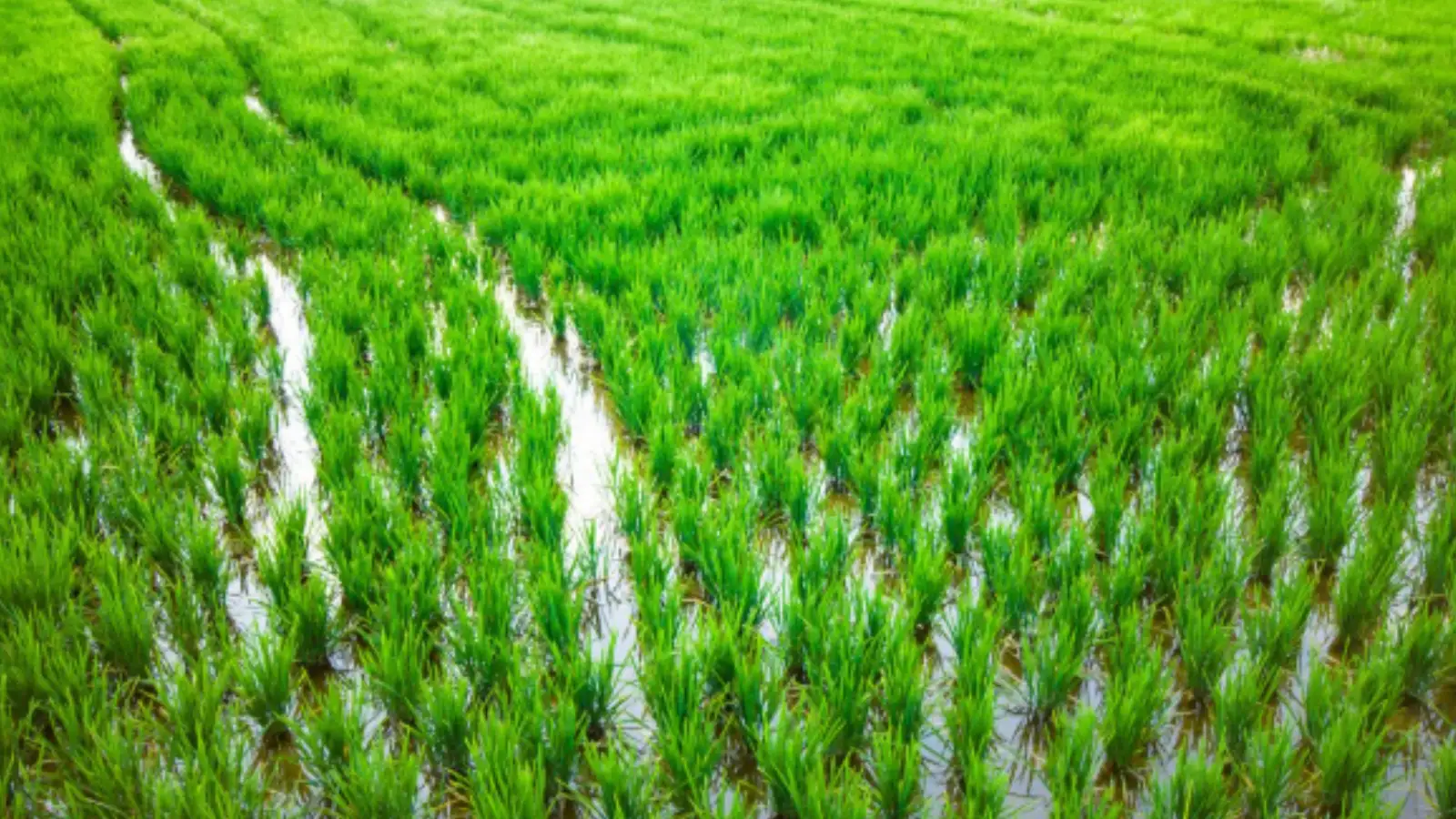
Why West Bengal Is Called the Rice Capital of India
West Bengal earns the title of Rice Capital of India due to its consistently high annual rice production. The alluvial plains of the Ganges River provide nutrient-rich soil, ideal for growing healthy and high-yield paddy crops. Combined with abundant rainfall, moderate temperatures, and access to river water for irrigation, the region creates perfect conditions for multiple rice-growing seasons throughout the year.
Rice cultivation is more than just a livelihood in West Bengal; it is deeply woven into the state’s economy and culture. Millions of farmers rely on rice farming to sustain their families and communities, making it the backbone of rural life. The state also produces a wide variety of rice, including aromatic and traditional varieties that are consumed domestically and exported to other countries.
Fertile Land and Ideal Climate
The geography and climate of West Bengal make it uniquely suited for rice cultivation. The fertile Ganges delta spreads across the state, ensuring soil enriched with essential nutrients that promote robust crop growth. Adequate rainfall during the monsoon season supports paddy cultivation, while the warm temperatures during the growing season help achieve optimal yields. Additionally, the state’s topography allows for efficient water management through canals, river irrigation, and local water bodies.
These natural advantages allow West Bengal to grow rice across multiple seasons, maximizing productivity. Farmers often rotate crops to maintain soil fertility and use advanced farming techniques, including mechanisation, hybrid seeds, and organic fertilisers, which further enhance yield.
Other Major Rice-Producing States in India
While West Bengal leads India’s rice production, several other states play a key role in contributing to the country’s rice output:
India’s Position in Global Rice Production
India is the second-largest producer of rice globally, after China. Countries like Indonesia, Bangladesh, and Vietnam also contribute heavily to global rice production. West Bengal’s high output plays a pivotal role in maintaining India’s position as a global rice powerhouse, ensuring food security domestically and supporting export markets abroad.
The Cultural and Economic Significance of Rice in West Bengal
Rice is not just an agricultural product in West Bengal; it is a part of the state’s culture and cuisine. Iconic dishes such as macher bharta, mishti pulao, and panta bhat showcase the versatility of rice in daily meals. Festivals and rituals often feature rice prominently, underlining its cultural importance. Economically, rice farming sustains millions of rural households, contributes to employment, and drives ancillary industries like milling, transport, and trade.
West Bengal’s fertile plains, abundant rainfall, and skilled farming community make it the undisputed Rice Capital of India. While other states such as Andhra Pradesh, Punjab, and Chhattisgarh play important roles in rice production, West Bengal continues to lead in output, quality, and cultural significance. From supporting livelihoods to bolstering India’s global rice supply, the state remains central to the country’s agricultural landscape.
Why West Bengal Is Called the Rice Capital of India
West Bengal earns the title of Rice Capital of India due to its consistently high annual rice production. The alluvial plains of the Ganges River provide nutrient-rich soil, ideal for growing healthy and high-yield paddy crops. Combined with abundant rainfall, moderate temperatures, and access to river water for irrigation, the region creates perfect conditions for multiple rice-growing seasons throughout the year.
Rice cultivation is more than just a livelihood in West Bengal; it is deeply woven into the state’s economy and culture. Millions of farmers rely on rice farming to sustain their families and communities, making it the backbone of rural life. The state also produces a wide variety of rice, including aromatic and traditional varieties that are consumed domestically and exported to other countries.
Fertile Land and Ideal Climate
The geography and climate of West Bengal make it uniquely suited for rice cultivation. The fertile Ganges delta spreads across the state, ensuring soil enriched with essential nutrients that promote robust crop growth. Adequate rainfall during the monsoon season supports paddy cultivation, while the warm temperatures during the growing season help achieve optimal yields. Additionally, the state’s topography allows for efficient water management through canals, river irrigation, and local water bodies.
These natural advantages allow West Bengal to grow rice across multiple seasons, maximizing productivity. Farmers often rotate crops to maintain soil fertility and use advanced farming techniques, including mechanisation, hybrid seeds, and organic fertilisers, which further enhance yield.
You may also like
- More than six in 10 people believe tattoos are a 'key part of their identity'
- 5 Mysterious Powers of Lord Shiva Mentioned in Ancient Beliefs
- Anjeer: What is the way to identify figs while buying them, so that you don't make a mistake even by mistake?
- Dementia Risk and Diet: If the dementia gene is growing in the body, then immediately increase the dosage of this thing!
- Why Bad Things Happen If God Exists?
Other Major Rice-Producing States in India
While West Bengal leads India’s rice production, several other states play a key role in contributing to the country’s rice output:
- Andhra Pradesh: Known as the Rice Bowl of India, its fertile delta regions formed by the Godavari and Krishna rivers provide a reliable water supply for paddy cultivation, resulting in consistently high yields.
- Uttar Pradesh: Extensive irrigated plains and modern farming methods allow UP to produce large quantities of rice each year.
- Punjab: Renowned for mechanised farming and high-yield rice varieties, Punjab contributes significantly to the national rice supply.
- Chhattisgarh: Dense rice paddies in the state make it an important rice-producing region, with a focus on traditional varieties and subsistence farming.
India’s Position in Global Rice Production
India is the second-largest producer of rice globally, after China. Countries like Indonesia, Bangladesh, and Vietnam also contribute heavily to global rice production. West Bengal’s high output plays a pivotal role in maintaining India’s position as a global rice powerhouse, ensuring food security domestically and supporting export markets abroad.
The Cultural and Economic Significance of Rice in West Bengal
Rice is not just an agricultural product in West Bengal; it is a part of the state’s culture and cuisine. Iconic dishes such as macher bharta, mishti pulao, and panta bhat showcase the versatility of rice in daily meals. Festivals and rituals often feature rice prominently, underlining its cultural importance. Economically, rice farming sustains millions of rural households, contributes to employment, and drives ancillary industries like milling, transport, and trade.
West Bengal’s fertile plains, abundant rainfall, and skilled farming community make it the undisputed Rice Capital of India. While other states such as Andhra Pradesh, Punjab, and Chhattisgarh play important roles in rice production, West Bengal continues to lead in output, quality, and cultural significance. From supporting livelihoods to bolstering India’s global rice supply, the state remains central to the country’s agricultural landscape.






More from our partners


Loving Newspoint? Download the app now
