
Which Indian States Produce The Most Mustard Oil?

India is the largest producer of mustard oil in the world, with production crossing approximately 12 million tonnes in 2023-24. Mustard oil is not only a staple in Indian kitchens but also plays a role in Ayurvedic therapies due to its health benefits. India consumes nearly 15% of its total edible oil demand in the form of mustard oil, highlighting its importance in daily cooking and traditional medicine.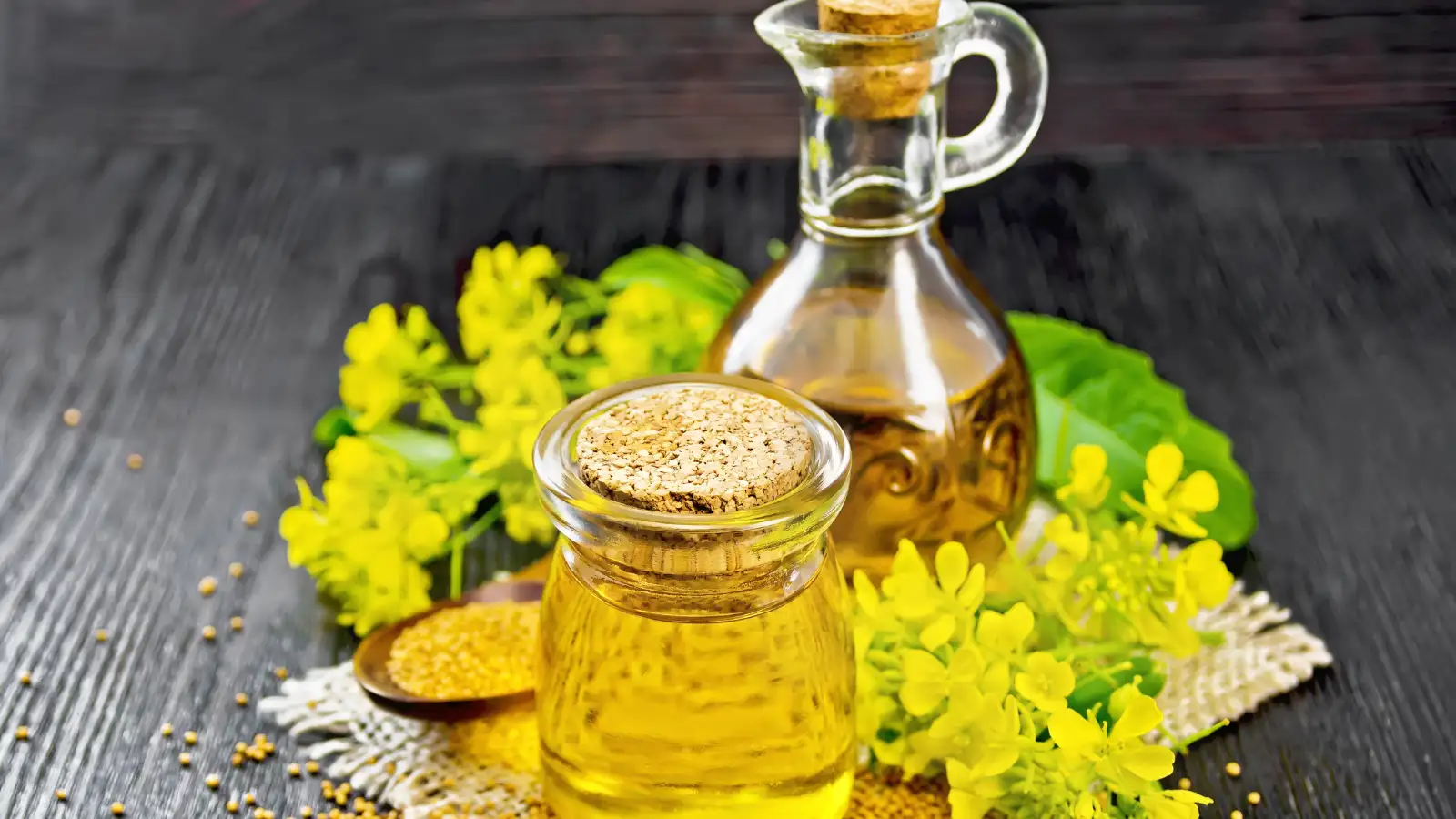
Key Mustard Oil-Producing States
Mustard is a Rabi crop, sown between October and November and harvested from March to May. It thrives in cool climates, with temperatures between 10°C and 25°C, and grows best in well-drained, fertile soil.
Rajasthan leads production, earning the title “Mustard State of India,” contributing 40–50% of the nation’s mustard oil. Key regions include Bharatpur, Hanumangarh, and Sriganganagar.
Other top-producing states include:
Together, these states ensure India is mostly self-sufficient, producing over 90% of its mustard oil domestically.
How Mustard Oil Is Produced in India
Mustard oil is extracted from mustard and rapeseed seeds, India’s second-largest oilseed crop. There are three main production methods:
After extraction, the raw mustard oil is filtered to remove impurities before it reaches kitchens and export markets.
Mustard Oil Exports from India
While India is largely self-sufficient, it also exports mustard oil to several countries. Australia is the largest importer, taking over 134,000 metric tonnes. Other major export destinations include the UAE, US, Nepal, Bhutan, Canada, UK, New Zealand, Singapore, and Kuwait.
From the fertile fields of Rajasthan to the kitchens across India, mustard oil remains an essential part of Indian culinary and cultural life. With modern production techniques and growing international demand, India continues to dominate global mustard oil production while supplying high-quality oil to international markets.
Key Mustard Oil-Producing States
Mustard is a Rabi crop, sown between October and November and harvested from March to May. It thrives in cool climates, with temperatures between 10°C and 25°C, and grows best in well-drained, fertile soil. Rajasthan leads production, earning the title “Mustard State of India,” contributing 40–50% of the nation’s mustard oil. Key regions include Bharatpur, Hanumangarh, and Sriganganagar.
Other top-producing states include:
- Uttar Pradesh
- Madhya Pradesh
- West Bengal
- Haryana
- Gujarat
- Jharkhand
- Assam
- Bihar
- Punjab
Together, these states ensure India is mostly self-sufficient, producing over 90% of its mustard oil domestically.
How Mustard Oil Is Produced in India
Mustard oil is extracted from mustard and rapeseed seeds, India’s second-largest oilseed crop. There are three main production methods: - Kachchi Ghani (Cold Pressed) – Traditional method retaining aroma and nutrients.
- Oil Expeller Method – Mechanically presses seeds for higher yields.
- Solvent Extraction – Industrial scale extraction followed by filtration.
After extraction, the raw mustard oil is filtered to remove impurities before it reaches kitchens and export markets.
Mustard Oil Exports from India
While India is largely self-sufficient, it also exports mustard oil to several countries. Australia is the largest importer, taking over 134,000 metric tonnes. Other major export destinations include the UAE, US, Nepal, Bhutan, Canada, UK, New Zealand, Singapore, and Kuwait. From the fertile fields of Rajasthan to the kitchens across India, mustard oil remains an essential part of Indian culinary and cultural life. With modern production techniques and growing international demand, India continues to dominate global mustard oil production while supplying high-quality oil to international markets.
Next Story