
Island Of Pineapple: Which Island Holds This Title?

Pineapples are among the world’s most popular tropical fruits, cherished for their sweet flavour, health benefits, and culinary versatility. Certain regions achieved international fame for pineapple cultivation , and one island, in particular, stood out: Oahu, famously known as the Island of Pineapple .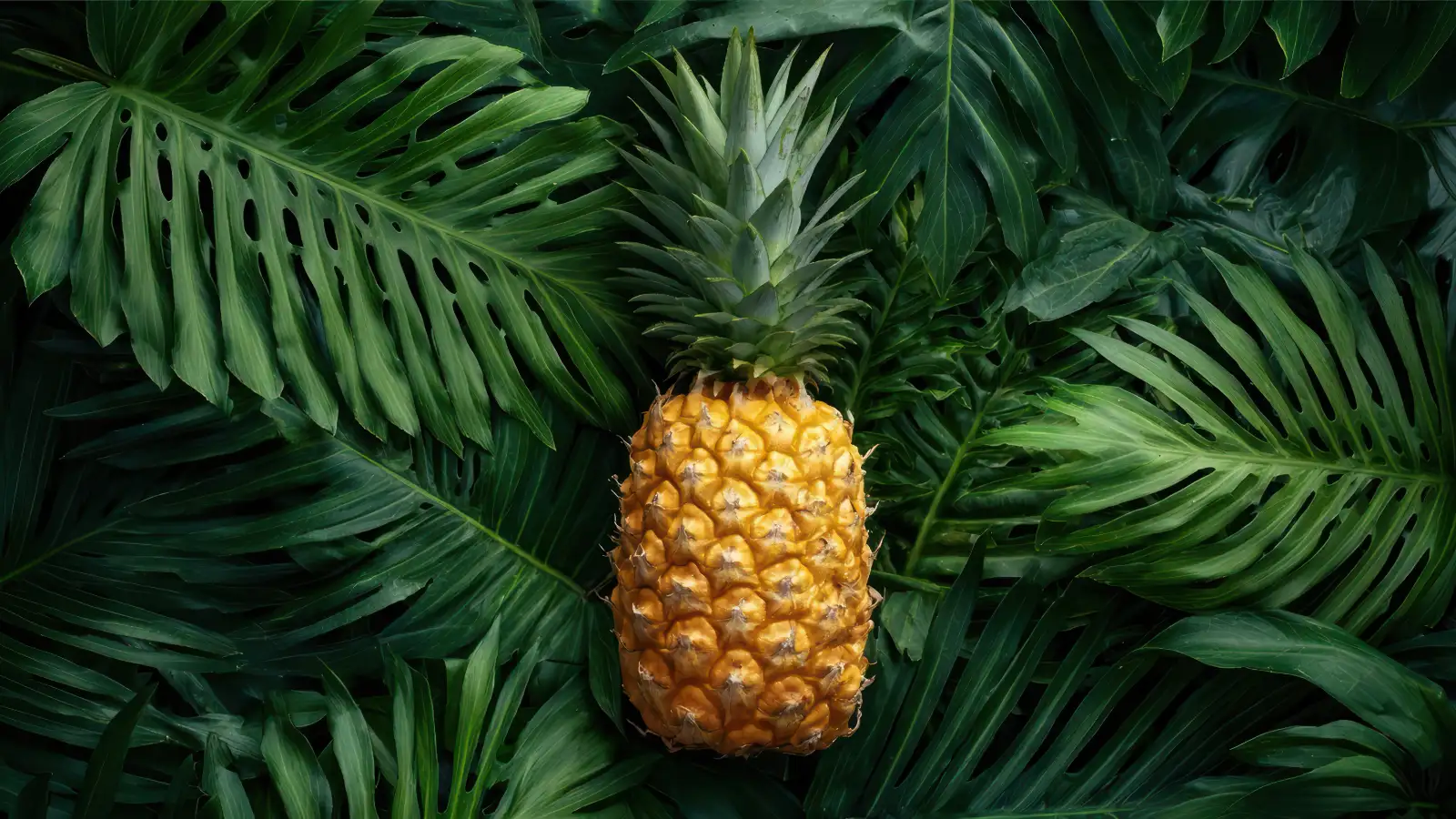
Why Oahu Is Called the Island of Pineapple
Oahu gained global recognition thanks to its extensive pineapple plantations established during the late 19th and early 20th centuries. The island’s warm tropical climate, rich volcanic soil, and steady rainfall created ideal conditions for large-scale pineapple farming. For decades, these plantations supplied fresh and canned pineapple to international markets, cementing Hawaii’s reputation as a global leader in pineapple production.
Location of the Island of Pineapple
Oahu is part of the Hawaiian archipelago in the central Pacific Ocean. It lies northwest of the continental United States and is one of Hawaii’s most populated islands. Its strategic location and fertile land made it perfect for commercial agriculture, particularly pineapple cultivation.
Historical and Economic Significance
Commercial pineapple farming on Oahu expanded rapidly in the early 1900s, transforming the island into a major agricultural hub. The industry not only provided jobs but also supported export trade and the growth of food processing industries, particularly canned pineapple production. The island became a symbol of Hawaiian agriculture, showcasing modern farming techniques that later spread to other tropical countries.
Ideal Conditions for Pineapple Growth
Pineapples thrive in well-drained, nutrient-rich soil and a warm, tropical climate — conditions that Oahu naturally offers. Its volcanic soil is packed with essential nutrients, while consistent sunlight and moderate rainfall ensure high-quality fruit production year after year.
Fun Facts About Oahu and Pineapples
Oahu remains known as the Island of Pineapple because of its historic role in global pineapple cultivation and export, leaving a lasting mark on both agriculture and culture.
Why Oahu Is Called the Island of Pineapple
Oahu gained global recognition thanks to its extensive pineapple plantations established during the late 19th and early 20th centuries. The island’s warm tropical climate, rich volcanic soil, and steady rainfall created ideal conditions for large-scale pineapple farming. For decades, these plantations supplied fresh and canned pineapple to international markets, cementing Hawaii’s reputation as a global leader in pineapple production. Location of the Island of Pineapple
Oahu is part of the Hawaiian archipelago in the central Pacific Ocean. It lies northwest of the continental United States and is one of Hawaii’s most populated islands. Its strategic location and fertile land made it perfect for commercial agriculture, particularly pineapple cultivation.You may also like
- Can a Turkish Evil Eye Really Protect You from Nazar? The Truth Might Surprise You
- Does manifestation really work? The truth behind the viral spiritual trend everyone believes in
- Indian Railway Holi Special: Extra Coaches Announced in 12 Major Trains, Big Relief for Passengers in March Rush
- SEBI Revises Gold and Silver ETF Valuation Rules; New Framework Effective from April 1
- 8th Pay Commission: This state has constituted the 8th Pay Commission, salary will increase soon
Historical and Economic Significance
Commercial pineapple farming on Oahu expanded rapidly in the early 1900s, transforming the island into a major agricultural hub. The industry not only provided jobs but also supported export trade and the growth of food processing industries, particularly canned pineapple production. The island became a symbol of Hawaiian agriculture, showcasing modern farming techniques that later spread to other tropical countries. Ideal Conditions for Pineapple Growth
Pineapples thrive in well-drained, nutrient-rich soil and a warm, tropical climate — conditions that Oahu naturally offers. Its volcanic soil is packed with essential nutrients, while consistent sunlight and moderate rainfall ensure high-quality fruit production year after year.Fun Facts About Oahu and Pineapples
- Historic Global Supplier: Oahu’s plantations once supplied a significant portion of the world’s canned pineapple.
- Tropical Advantage: Fertile soil and steady temperatures created perfect conditions for pineapple farming.
- Innovation Hub: Modern pineapple cultivation techniques were developed and refined on the island.
- Cultural Symbol: Pineapple became an iconic emblem of Hawaiian agriculture and heritage.
Oahu remains known as the Island of Pineapple because of its historic role in global pineapple cultivation and export, leaving a lasting mark on both agriculture and culture.






More from our partners


Loving Newspoint? Download the app now
