
Which Place in India Is Famous as Little Tibet and What Makes It Special?

If you are wondering which region in India is known as Little Tibet, the answer is Ladakh. Located in the northernmost part of the country, Ladakh is widely called Little Tibet because of its deep-rooted Tibetan culture, Buddhist heritage, and landscapes that closely resemble the Tibetan plateau. From peaceful monasteries to vast cold deserts, Ladakh offers an experience that feels spiritually and visually similar to Tibet.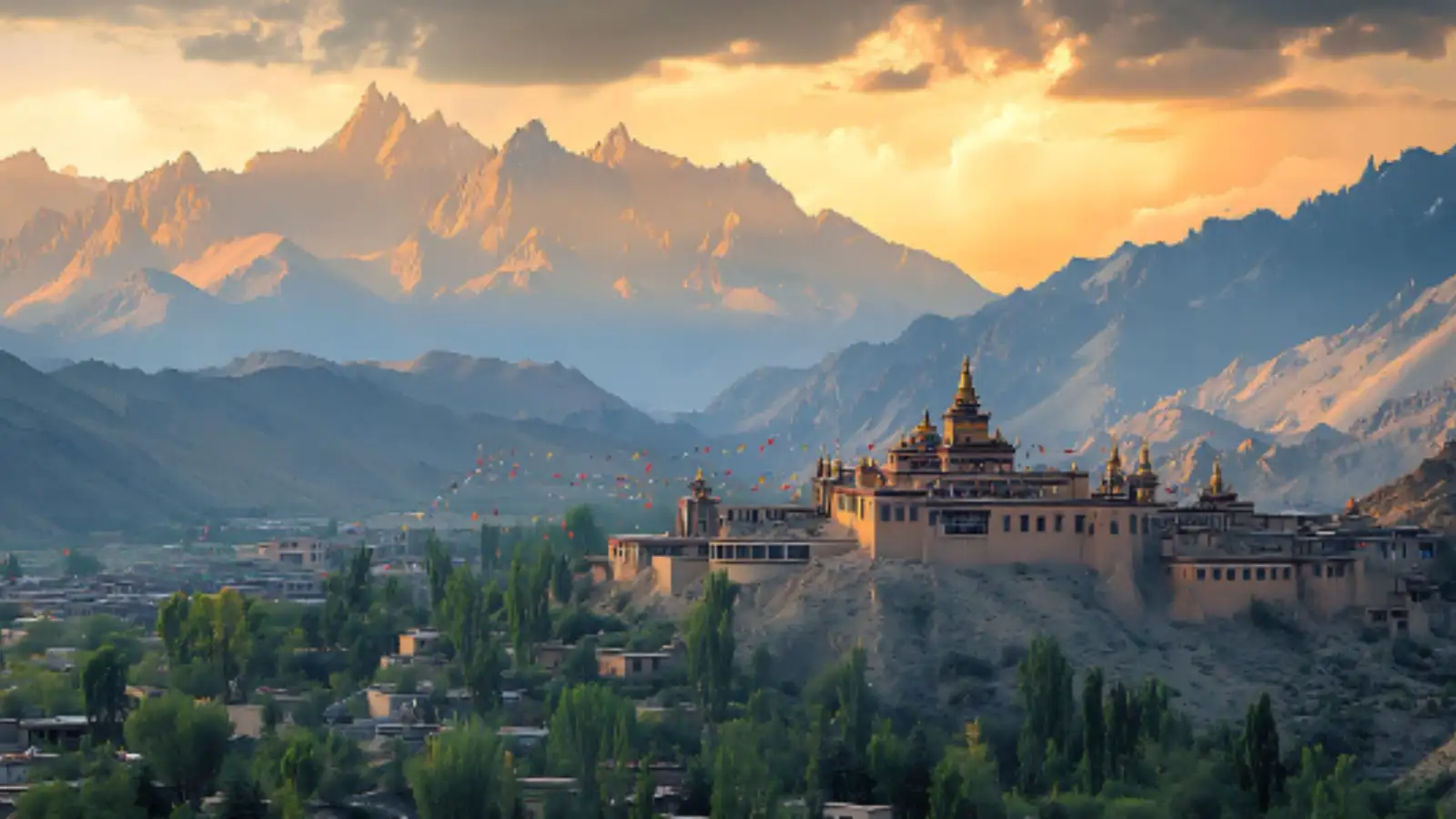
Why Is Ladakh Called ‘Little Tibet’?
The name Little Tibet comes from Ladakh’s strong cultural and geographical similarities with Tibet. The region follows Tibetan Buddhism, and its traditions, festivals, architecture and daily lifestyle clearly reflect that influence.
White stupas, colourful prayer flags fluttering across mountain passes, and monasteries built on hilltops create a setting that mirrors Tibetan settlements. Even Ladakh’s language and food habits show deep connections to Tibetan roots, which is why the nickname feels both natural and meaningful.
Landscapes That Resemble the Tibetan Plateau
Ladakh’s terrain plays a major role in earning it the title of Little Tibet. The region is defined by high-altitude deserts, dramatic mountain ranges, and vast barren valleys. The clear blue skies and rugged brown mountains create a stark yet breathtaking contrast.
The cold desert landscape, combined with snow-capped Himalayan peaks, closely resembles the geography of Tibet. This raw and untouched beauty makes Ladakh one of India’s most visually striking destinations.
Hemis Monastery : A Symbol of Spiritual Heritage
Among Ladakh’s many monasteries, Hemis Monastery stands out as the largest and one of the most important. Surrounded by towering mountains, the monastery is known for its peaceful atmosphere and vibrant cultural celebrations.
The annual Hemis Festival draws visitors from across the world, while the monastery’s ancient artefacts and colourful murals reflect centuries of Buddhist tradition. Quiet corners within the complex offer space for reflection, making it a true spiritual landmark.
Pangong Lake : Ladakh’s Mesmerising Natural Wonder
Another highlight of Little Tibet in India is Pangong Lake. Famous for its changing shades of blue, the lake stretches across rugged mountains, creating postcard-perfect views.
From sunrise to sunset, the lake’s colours shift beautifully, offering photographers and travellers unforgettable moments. Its calm waters and dramatic surroundings perfectly capture Ladakh’s serene charm.
Leh’s Old Town: Where History Comes Alive
Walking through the old lanes of Leh feels like stepping back in time. Narrow streets lined with traditional mud-brick houses, spinning prayer wheels, and small artisan shops reflect Ladakh’s heritage.
Visitors can explore cosy cafés serving local dishes while observing everyday Ladakhi life. The old town beautifully preserves the region’s cultural identity.
Nubra Valley : A Desert in the Himalayas
Nubra Valley adds another fascinating dimension to Ladakh’s identity. Known for its vast sand dunes and double-humped camels, the valley presents an unusual blend of desert terrain and snowy mountains.
Hilltop monasteries overlook the valley, enhancing its peaceful appeal. The dramatic scenery makes Nubra Valley one of the most unique experiences in the region.
A Taste of Ladakhi Cuisine
Ladakh’s food further strengthens its connection to Tibetan culture. Popular local dishes include:
These hearty meals are simple yet nourishing, perfectly suited for the cold mountain climate.
The True Essence of Little Tibet in India
Ladakh is called Little Tibet because it reflects Tibet in both spirit and scenery. Its monasteries, traditions, landscapes and cuisine all carry strong Tibetan influence. More than just a destination, Ladakh offers a peaceful Himalayan experience that leaves travellers deeply inspired and spiritually refreshed.
Why Is Ladakh Called ‘Little Tibet’?
The name Little Tibet comes from Ladakh’s strong cultural and geographical similarities with Tibet. The region follows Tibetan Buddhism, and its traditions, festivals, architecture and daily lifestyle clearly reflect that influence.
White stupas, colourful prayer flags fluttering across mountain passes, and monasteries built on hilltops create a setting that mirrors Tibetan settlements. Even Ladakh’s language and food habits show deep connections to Tibetan roots, which is why the nickname feels both natural and meaningful.
Landscapes That Resemble the Tibetan Plateau
Ladakh’s terrain plays a major role in earning it the title of Little Tibet. The region is defined by high-altitude deserts, dramatic mountain ranges, and vast barren valleys. The clear blue skies and rugged brown mountains create a stark yet breathtaking contrast.
The cold desert landscape, combined with snow-capped Himalayan peaks, closely resembles the geography of Tibet. This raw and untouched beauty makes Ladakh one of India’s most visually striking destinations.
Hemis Monastery : A Symbol of Spiritual Heritage
Among Ladakh’s many monasteries, Hemis Monastery stands out as the largest and one of the most important. Surrounded by towering mountains, the monastery is known for its peaceful atmosphere and vibrant cultural celebrations.
The annual Hemis Festival draws visitors from across the world, while the monastery’s ancient artefacts and colourful murals reflect centuries of Buddhist tradition. Quiet corners within the complex offer space for reflection, making it a true spiritual landmark.
Pangong Lake : Ladakh’s Mesmerising Natural Wonder
Another highlight of Little Tibet in India is Pangong Lake. Famous for its changing shades of blue, the lake stretches across rugged mountains, creating postcard-perfect views.
From sunrise to sunset, the lake’s colours shift beautifully, offering photographers and travellers unforgettable moments. Its calm waters and dramatic surroundings perfectly capture Ladakh’s serene charm.
You may also like
- Planet Parade February: An amazing astronomical event, the 'Parade of Planets' will take place in the sky on the evening of February 28.
- Don't panic if you're not losing weight; these 7 signs indicate you're losing fat quickly.
- Is intermittent fasting ineffective for weight loss? A surprising study reveals
- Falgun Purnima 2026 marks the confluence of Lakshmi Jayanti, Holika Dahan, and Satyanarayan Puja on the same day!
- You start feeling dizzy as soon as you wake up in the morning. What disease does this indicate?
Leh’s Old Town: Where History Comes Alive
Walking through the old lanes of Leh feels like stepping back in time. Narrow streets lined with traditional mud-brick houses, spinning prayer wheels, and small artisan shops reflect Ladakh’s heritage.
Visitors can explore cosy cafés serving local dishes while observing everyday Ladakhi life. The old town beautifully preserves the region’s cultural identity.
Nubra Valley : A Desert in the Himalayas
Nubra Valley adds another fascinating dimension to Ladakh’s identity. Known for its vast sand dunes and double-humped camels, the valley presents an unusual blend of desert terrain and snowy mountains.
Hilltop monasteries overlook the valley, enhancing its peaceful appeal. The dramatic scenery makes Nubra Valley one of the most unique experiences in the region.
A Taste of Ladakhi Cuisine
Ladakh’s food further strengthens its connection to Tibetan culture. Popular local dishes include:
- Thukpa (warm noodle soup)
- Steamed momos
- Butter tea
These hearty meals are simple yet nourishing, perfectly suited for the cold mountain climate.
The True Essence of Little Tibet in India
Ladakh is called Little Tibet because it reflects Tibet in both spirit and scenery. Its monasteries, traditions, landscapes and cuisine all carry strong Tibetan influence. More than just a destination, Ladakh offers a peaceful Himalayan experience that leaves travellers deeply inspired and spiritually refreshed.






More from our partners


Loving Newspoint? Download the app now
