
Which Tropical Country Is Known For Its Coconut Trees?

Coconut palms are more than just scenic trees in the Philippines, they are a lifeline for millions of people. From coastal beaches to rural villages, coconut trees dot the landscape, providing food, materials, and income. This widespread presence, combined with fertile soil and a tropical climate, has earned the Philippines the title of the “Land of Coconut Trees.”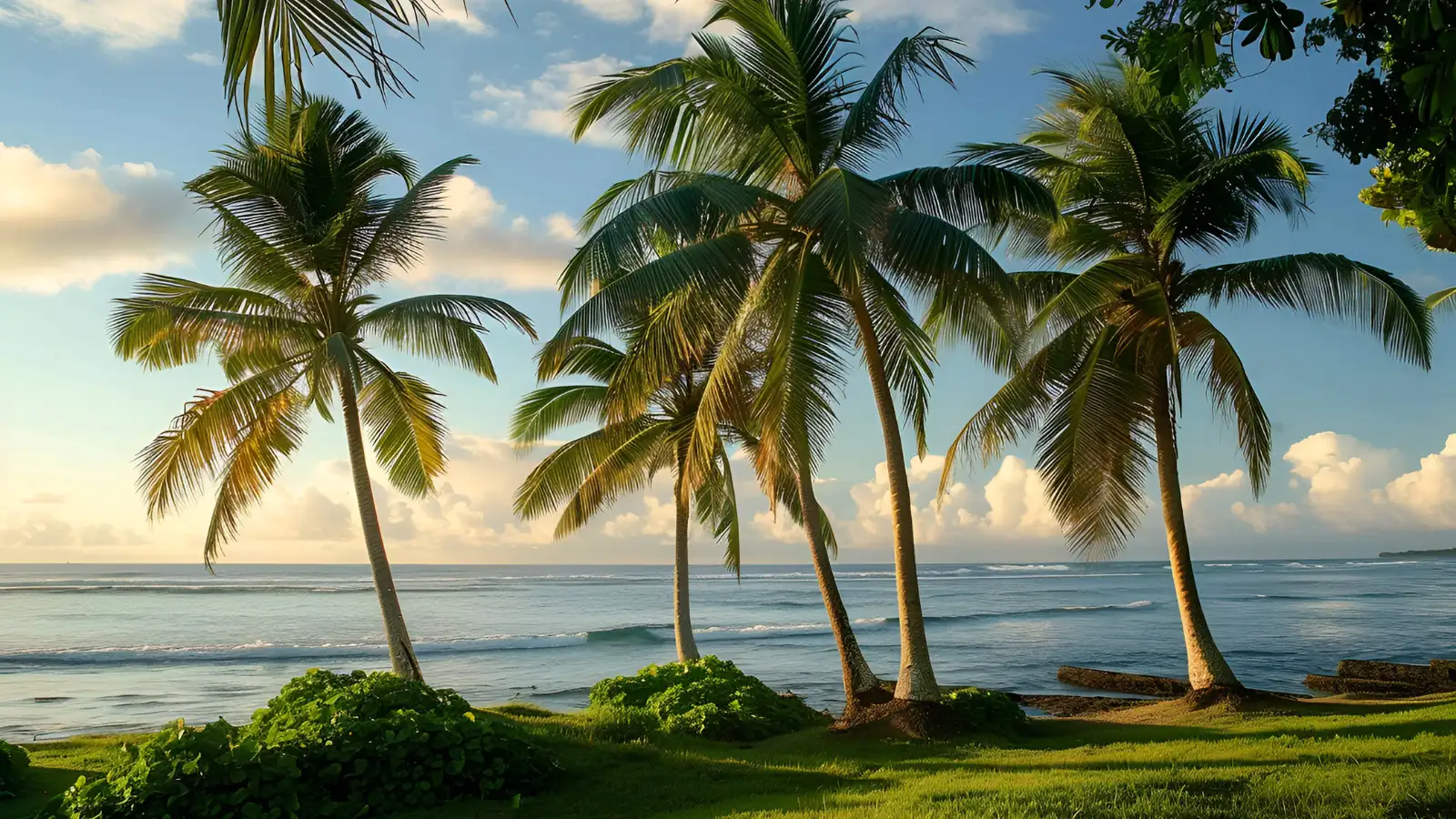
Location and Climate
The Philippines is an archipelago in Southeast Asia, composed of over 7,000 islands. Its equatorial location brings warm temperatures, high humidity, and regular rainfall, perfect conditions for coconut palms to flourish. Coastal plains and lowlands allow plantations to expand widely, supporting the growth of millions of trees.
Why the Philippines is the Land of Coconut Trees
Coconut Growth Requirements
Coconuts thrive with:
The Philippines provides all these naturally, allowing coconuts to produce fruit year-round without seasonal interruptions.
Read More: Tea Paradise: Find Out Which Country Is Known As The Tea Garden Of The World
Economic and Industrial Role
Coconut farming supports millions of people, both directly and indirectly. Domestic uses include cooking oil, milk, desserts, and beverages. Industrially, coconut oil is used in cosmetics, soaps, and skincare products, while husks and fibres are crafted into ropes, mats, and eco-friendly goods. Exports of coconut oil, copra, and desiccated coconut make the Philippines a vital player in the global coconut market.
Fun Facts About Coconut Trees
The Philippines’ tropical climate, fertile soil, and cultural connection with coconuts make it truly deserving of the title “Land of Coconut Trees.”
Location and Climate
The Philippines is an archipelago in Southeast Asia, composed of over 7,000 islands. Its equatorial location brings warm temperatures, high humidity, and regular rainfall, perfect conditions for coconut palms to flourish. Coastal plains and lowlands allow plantations to expand widely, supporting the growth of millions of trees. Why the Philippines is the Land of Coconut Trees
- Vast Plantations: Millions of coconut trees cover the islands, visible in rural areas and along coastlines.
- Economic Importance: Coconut farming is a primary source of livelihood for many families, generating employment in cultivation, processing, and export sectors.
- Cultural Heritage: Coconut cultivation has been practised for generations, deeply embedding itself in local traditions and cuisine.
- Global Production Leader: The Philippines is one of the world’s top producers and exporters of coconuts, copra, and coconut oil.
Coconut Growth Requirements
Coconuts thrive with: - Warm, consistent temperatures
- Plenty of sunlight
- Regular rainfall
- Well-drained sandy or alluvial soils
The Philippines provides all these naturally, allowing coconuts to produce fruit year-round without seasonal interruptions.
Read More: Tea Paradise: Find Out Which Country Is Known As The Tea Garden Of The World
Economic and Industrial Role
Coconut farming supports millions of people, both directly and indirectly. Domestic uses include cooking oil, milk, desserts, and beverages. Industrially, coconut oil is used in cosmetics, soaps, and skincare products, while husks and fibres are crafted into ropes, mats, and eco-friendly goods. Exports of coconut oil, copra, and desiccated coconut make the Philippines a vital player in the global coconut market.Fun Facts About Coconut Trees
- Often called the “Tree of Life” for their versatile uses.
- Produce fruit throughout the year thanks to stable tropical weather.
- Central to coastal livelihoods and traditional celebrations.
The Philippines’ tropical climate, fertile soil, and cultural connection with coconuts make it truly deserving of the title “Land of Coconut Trees.”
Next Story