
Whole Fruits vs Fruit Juice: What’s Healthier for You?

When the summer sun gets harsh, reaching for a chilled glass of fruit juice seems like the perfect thirst quencher. But before you sip that sugary refreshment, you might want to reconsider. While fruit juices may taste refreshing, they’re not as healthy as they seem. In fact, you’re better off eating whole fruits—and here’s why.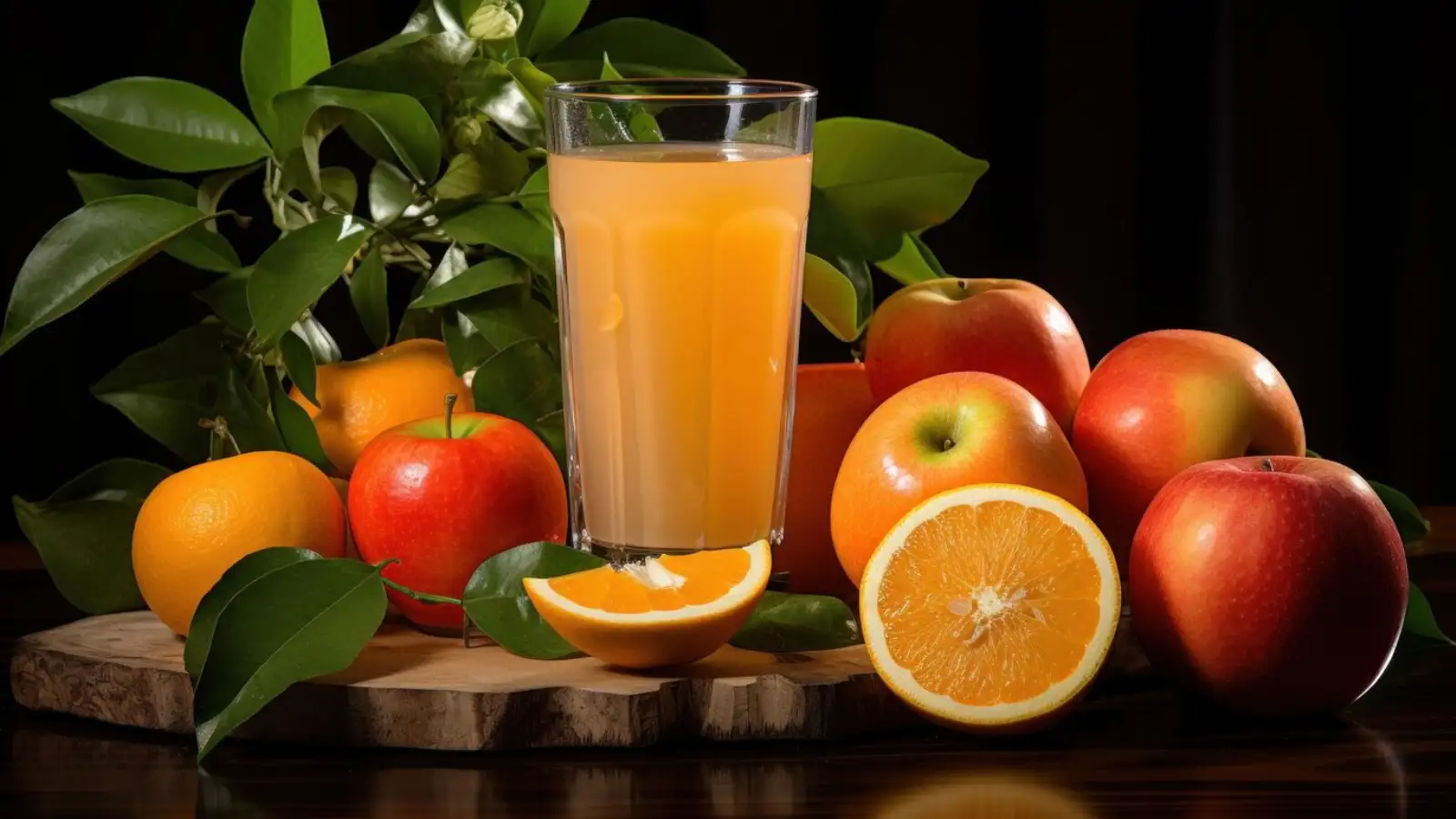
The moment you turn fruits into juice, you strip them of their most valuable component—fibre. This natural fibre is what helps slow down sugar absorption in your body, keeping your blood sugar levels stable. Without it, fruit juice becomes a fast-acting sugar bomb that can spike your glucose and leave you feeling hungry again in no time.
Juice = More Sugar, More Calories, Less Satisfaction
Even if it's homemade, fruit juice contains a high concentration of fructose and calories. Unlike whole fruits, juices lack the fibre that fills you up. This means you’re more likely to overconsume without feeling satisfied. Over time, this can lead to unwanted weight gain and increased sugar cravings.
Summer and Sugar Don’t Mix Well
Consuming sugary drinks in extreme heat can elevate your body temperature instead of cooling you down. Whole fruits, on the other hand, not only hydrate you better but also provide antioxidants that support your body’s defences during harsh weather.
More Nutrients, Less Sugar with Whole Fruits
Whole fruits come packed with essential vitamins, minerals, and antioxidants. Compared to juices, they typically contain around 35% less sugar and support heart health by helping to lower bad cholesterol levels. Their high fibre content also keeps you fuller for longer, making them ideal for weight control and overall well-being.
Still Want a Drink? Try This Healthier Alternative
If you're craving something drinkable, try slow-blending your fruit along with the pulp. This retains the fibre and nutrients lost in traditional juicing. Add a splash of lemon juice for natural sweetness without the need for added sugar.
The next time you feel tempted by a glass of fruit juice, consider reaching for the fruit itself. It’s not only better for your health but also more satisfying. After all, nothing beats nature’s original recipe.
Whole Fruits vs Fruit Juices: What’s the Big Deal?
The moment you turn fruits into juice, you strip them of their most valuable component—fibre. This natural fibre is what helps slow down sugar absorption in your body, keeping your blood sugar levels stable. Without it, fruit juice becomes a fast-acting sugar bomb that can spike your glucose and leave you feeling hungry again in no time.
Juice = More Sugar, More Calories, Less Satisfaction
Even if it's homemade, fruit juice contains a high concentration of fructose and calories. Unlike whole fruits, juices lack the fibre that fills you up. This means you’re more likely to overconsume without feeling satisfied. Over time, this can lead to unwanted weight gain and increased sugar cravings.You may also like
- Banish despair
- Parsva Ekadashi 2026: What to Eat and Avoid During the Vishnu Vrat
- Solar Panel: What is the cost of installing a 1 kW solar panel, and how long does it take to recover the investment?
- Install Solar Panels on Your Roof: Delhi's Electricity Scheme Portal Launched – How to Register?
- Failure to Collect Rations Could Lead to Deactivation; Government to Suspend 5.5 Lakh Ration Cards
Summer and Sugar Don’t Mix Well
Consuming sugary drinks in extreme heat can elevate your body temperature instead of cooling you down. Whole fruits, on the other hand, not only hydrate you better but also provide antioxidants that support your body’s defences during harsh weather. More Nutrients, Less Sugar with Whole Fruits
Whole fruits come packed with essential vitamins, minerals, and antioxidants. Compared to juices, they typically contain around 35% less sugar and support heart health by helping to lower bad cholesterol levels. Their high fibre content also keeps you fuller for longer, making them ideal for weight control and overall well-being.Still Want a Drink? Try This Healthier Alternative
If you're craving something drinkable, try slow-blending your fruit along with the pulp. This retains the fibre and nutrients lost in traditional juicing. Add a splash of lemon juice for natural sweetness without the need for added sugar. The next time you feel tempted by a glass of fruit juice, consider reaching for the fruit itself. It’s not only better for your health but also more satisfying. After all, nothing beats nature’s original recipe.






Loving Newspoint? Download the app now
