
Why a Falling Fever Can Signal the Most Dangerous Phase and What Parents Must Monitor


With seasonal shifts transitioning from monsoon into post-monsoon conditions, hospitals across Delhi-NCR are witnessing a sharp uptick in pediatric dengue infections. Because initial manifestations closely resemble standard seasonal viral fevers—presenting with high temperatures, body aches, retro-orbital eye pain, nausea, and poor appetite—many parents inadvertently overlook early indicators.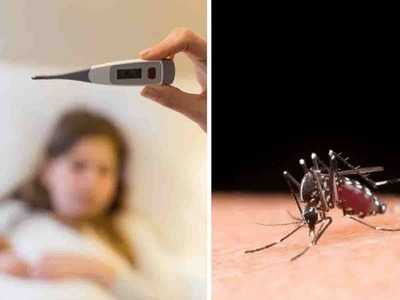 Addressing these pediatric health risks, Dr. Aparna Chakravarty, Senior Consultant and Professor of Paediatric Infectious Diseases at Amrita Hospital, Faridabad, warns that when a child's fever suddenly subsides, it often marks the entry into the critical clinical phase rather than guaranteed recovery.The Critical Phase: Watch for Red-Flag Warning Signs as Temperatures DropThe most dangerous stage of dengue infection frequently commences precisely when the high fever drops.During this defervescence period, plasma leakage can accelerate, necessitating immediate emergency medical intervention if red-flag symptoms arise. Parents must stay hyper-vigilant for severe abdominal pain, persistent vomiting, extreme lethargy, sudden restlessness, cold or pale extremities, labored breathing, or bleeding tendencies from the gums and nose. A dropping temperature should never be viewed as an automatic all-clear; continuous clinical oversight and assessment of overall alertness, capillary refill, and hydration are vital during this window.Busting Platelet Myths and Vital Home Prevention MeasuresA widespread misconception among parents is evaluating disease severity solely on laboratory platelet counts.Pediatric specialists emphasize treating the overall patient condition rather than just numerical lab values, monitoring hydration, blood pressure, urine output, and systemic symptoms. In home care, parents must strictly avoid administering NSAIDs like ibuprofen or aspirin due to severe hemorrhage risks, sticking strictly to doctor-prescribed antipyretics and adequate fluid intake. Because the disease-carrying Aedes mosquito feeds aggressively during daytime hours, families must eliminate stagnant water from flowerpots, air coolers, and open buckets for ten minutes each week while ensuring children wear protective, fully covered clothing and age-appropriate repellents.
Next Story