
Why Do Countries Choose Certain Animals as National Symbols? The Stories Behind Them

Animals often represent much more than the natural world. In several countries, particular species have become powerful symbols of national identity, appearing on coins, flags, official emblems, stamps and cultural artwork. Some are admired for their strength, while others represent freedom, wisdom, courage or resilience.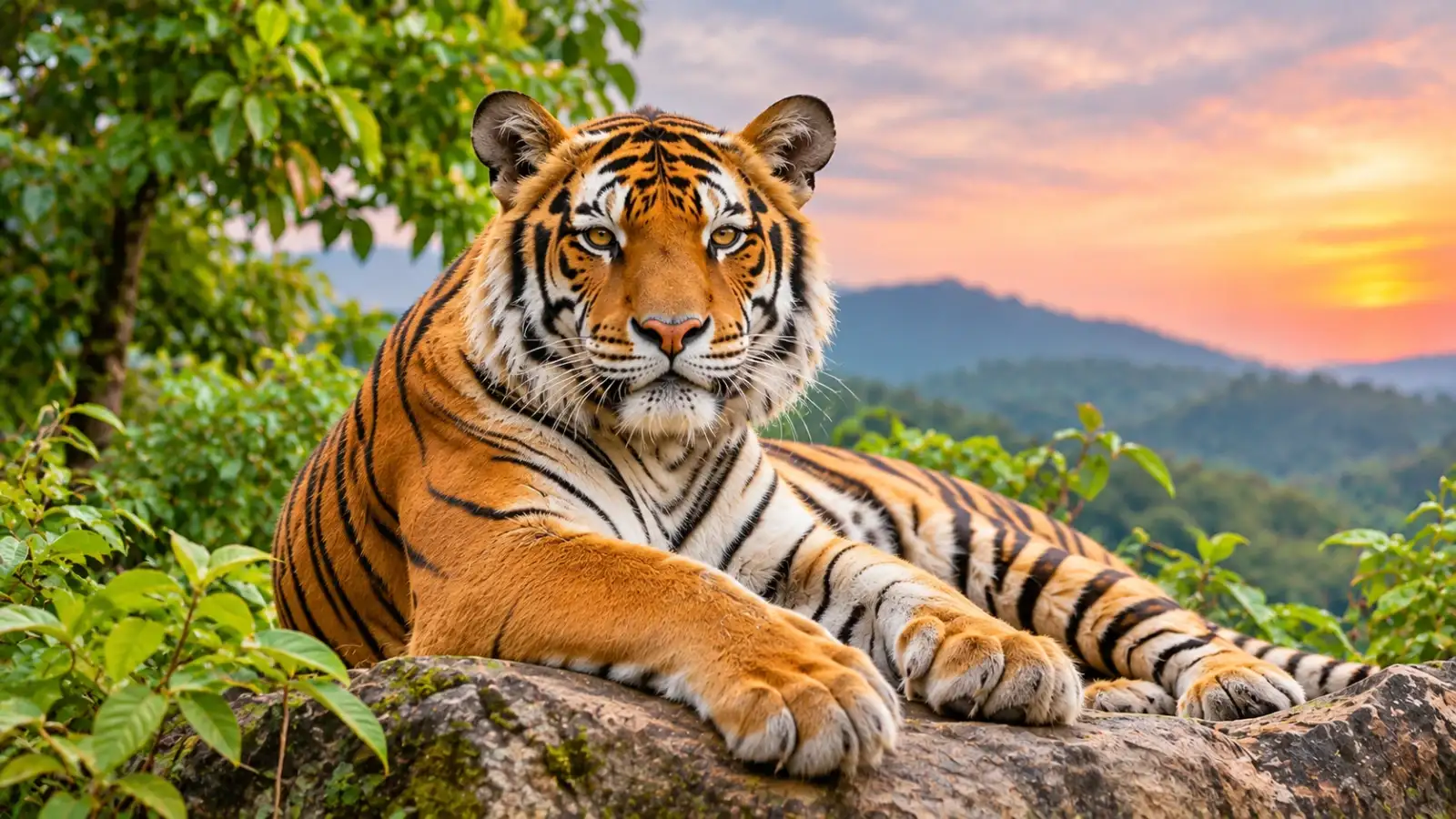
These associations often develop over centuries through folklore, religious traditions, historical events and local wildlife connections. A national animal can also reflect a country's efforts to protect its natural heritage. Understanding why certain species are chosen offers an interesting look at how nature and national identity are connected.
For example, the lion has long represented courage and authority in several cultures. Its image has appeared in royal symbols and historical architecture, making it a natural choice for representing strength and leadership.
The bald eagle, for instance, is the national bird of the United States. It is widely associated with freedom, strength and independence. Its presence on official seals and government symbols has helped establish its connection with American national identity.
Similarly, the tiger is India's national animal. Its strength, distinctive appearance and place in the country's wildlife heritage make it an important national symbol.
The giant panda is a well-known symbol of China and is strongly associated with the country's wildlife conservation efforts. Its distinctive appearance has also made it recognisable around the world.
Choosing a native species can help highlight the uniqueness of a country's biodiversity and encourage interest in protecting its natural habitats.
In India, the elephant has a significant place in cultural and religious traditions. It is associated with Lord Ganesha, who is widely worshipped as the remover of obstacles and the deity of beginnings.
Such cultural connections can make animals important symbols even when they are not officially designated as national animals.
India's tiger, for example, is closely connected with the country's conservation efforts through initiatives such as Project Tiger, launched in 1973. The programme was established to protect tigers and their habitats.
However, symbolic recognition alone cannot guarantee protection. Effective conservation also requires habitat management, scientific monitoring and cooperation with local communities.
The kangaroo and emu, for example, are closely associated with Australia and appear on the country's coat of arms. Both are native to Australia and represent its distinctive wildlife heritage.
These animals help create a recognisable national image while highlighting the country's connection with its natural environment.
Some animals are officially designated through government announcements, while others become widely accepted national symbols over time. It is also important to distinguish between a country's national animal, national bird and other culturally significant species.
Animals become symbols of national identity through a combination of history, culture, mythology, wildlife and shared values. A tiger, eagle, panda or kangaroo can represent much more than its species. It can reflect a country's heritage, natural environment and collective pride. These symbols also offer an opportunity to draw attention to biodiversity and wildlife conservation, reminding people that protecting nature is an important part of preserving national heritage.
These associations often develop over centuries through folklore, religious traditions, historical events and local wildlife connections. A national animal can also reflect a country's efforts to protect its natural heritage. Understanding why certain species are chosen offers an interesting look at how nature and national identity are connected.
1. Historical Stories and Cultural Traditions
Many animals become national symbols because they have been part of a country's history and cultural traditions for generations. They may appear in ancient stories, royal emblems, traditional paintings and folklore.For example, the lion has long represented courage and authority in several cultures. Its image has appeared in royal symbols and historical architecture, making it a natural choice for representing strength and leadership.
2. Animals That Represent National Values
Countries sometimes select animals because their perceived characteristics reflect qualities they want to associate with their identity.The bald eagle, for instance, is the national bird of the United States. It is widely associated with freedom, strength and independence. Its presence on official seals and government symbols has helped establish its connection with American national identity.
Similarly, the tiger is India's national animal. Its strength, distinctive appearance and place in the country's wildlife heritage make it an important national symbol.
3. A Connection With Local Wildlife
Some national animals are chosen because they are closely associated with a country's natural environment. Such species may be native to the region or particularly important to its ecosystems.The giant panda is a well-known symbol of China and is strongly associated with the country's wildlife conservation efforts. Its distinctive appearance has also made it recognisable around the world.
Choosing a native species can help highlight the uniqueness of a country's biodiversity and encourage interest in protecting its natural habitats.
4. Religious Beliefs and Mythology
Religious traditions and mythology have influenced the symbolic importance of animals in many societies. Certain species are connected with deities, legendary figures or traditional beliefs.In India, the elephant has a significant place in cultural and religious traditions. It is associated with Lord Ganesha, who is widely worshipped as the remover of obstacles and the deity of beginnings.
Such cultural connections can make animals important symbols even when they are not officially designated as national animals.
5. National Animals Can Support Wildlife Conservation
A national animal can become an important reminder of the need to protect wildlife. When a species receives national recognition, it can attract public attention to its habitat, population and conservation challenges.India's tiger, for example, is closely connected with the country's conservation efforts through initiatives such as Project Tiger, launched in 1973. The programme was established to protect tigers and their habitats.
However, symbolic recognition alone cannot guarantee protection. Effective conservation also requires habitat management, scientific monitoring and cooperation with local communities.
6. Animals Can Become International Symbols
Some national animals become recognised far beyond their home countries. Their images appear in tourism campaigns, international cultural exchanges, souvenirs and media coverage.The kangaroo and emu, for example, are closely associated with Australia and appear on the country's coat of arms. Both are native to Australia and represent its distinctive wildlife heritage.
These animals help create a recognisable national image while highlighting the country's connection with its natural environment.
7. How National Animal Status Is Decided
There is no single international rule for selecting a national animal. The process varies between countries and may involve government decisions, cultural traditions, public campaigns or historical recognition.Some animals are officially designated through government announcements, while others become widely accepted national symbols over time. It is also important to distinguish between a country's national animal, national bird and other culturally significant species.
Animals become symbols of national identity through a combination of history, culture, mythology, wildlife and shared values. A tiger, eagle, panda or kangaroo can represent much more than its species. It can reflect a country's heritage, natural environment and collective pride. These symbols also offer an opportunity to draw attention to biodiversity and wildlife conservation, reminding people that protecting nature is an important part of preserving national heritage.
Next Story