
How Do Animals Change Their Colour? The Science Behind Nature's Amazing Camouflage

Have you ever wondered how a chameleon can appear to change its colour or how an octopus can almost disappear against the ocean floor? Across the animal kingdom, several species have developed remarkable abilities to alter their appearance according to their surroundings. Some change colour to avoid predators, while others use it to communicate, attract mates or regulate body temperature. These transformations are not simply fascinating tricks of nature. They are survival strategies shaped by evolution, helping animals respond to changing environments and improve their chances of living in the wild.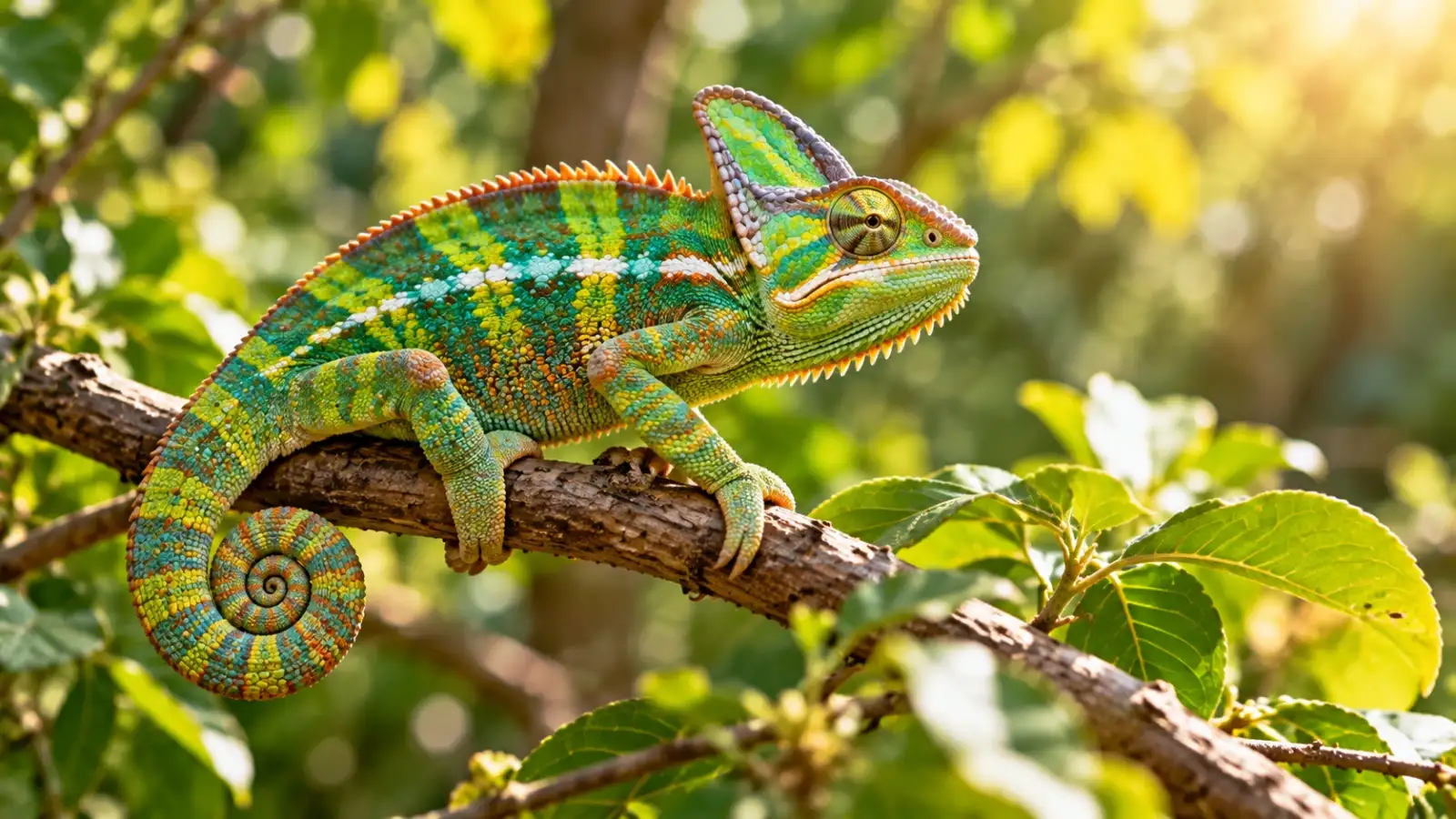
The Arctic fox is a good example. During winter, its fur usually becomes white, helping it blend into snowy landscapes. In summer, its coat changes to brown or grey, making it less noticeable among rocks, soil and vegetation.
Similarly, the snowshoe hare develops a white winter coat in many northern regions before turning brown during warmer months. These seasonal changes help both animals remain less visible as their surroundings transform.
Their skin contains specialised cells called chromatophores and iridophores. These cells contain pigments or structures that interact with light, allowing chameleons to display different colours and patterns.
Colour changes can help them communicate with other chameleons, signal aggression, attract potential mates and respond to temperature. For instance, some species become darker to absorb more heat when they are cold.
They can rapidly alter their appearance to resemble rocks, sand, coral or other underwater surfaces. Some species can even change the texture of their skin by raising small structures called papillae.
This ability helps octopuses avoid predators and approach prey without being easily noticed. Their transformations can happen remarkably quickly, sometimes within seconds.
Their skin contains chromatophores, iridophores and leucophores, which work together to create a wide range of visual effects. Cuttlefish use these displays for camouflage, communication and courtship.
Some species can also produce rapidly changing patterns when threatened. These displays may confuse predators or make the animal appear more intimidating.
The Arctic hare, for example, generally develops white fur during winter and a brown or grey coat in summer, although the exact pattern varies between populations. Certain weasels also develop white winter coats.
These changes are influenced by environmental signals, particularly the length of daylight. The process helps animals remain camouflaged as snow cover and vegetation change throughout the year.
Colour can also communicate an animal's emotional or social state. Certain lizards display brighter or more contrasting colours during territorial encounters or courtship. Some fish change their appearance during breeding periods or when interacting with other members of their species.
These changes show that colour is not always about hiding. It can also act as a visual signal.
Colour-changing animals demonstrate how creatively nature has developed survival strategies. From the seasonal coats of Arctic mammals to the rapid transformations of octopuses and cuttlefish, each species uses its appearance in a different way. Camouflage remains an important reason for these changes, but communication, temperature regulation and reproduction also play significant roles. These adaptations reveal how animals interact with their surroundings and respond to the challenges of life in the wild.
1. Camouflage: The Art of Blending In
One of the main reasons animals change colour is camouflage. By matching the colours and patterns of their surroundings, they can become harder for predators or prey to notice.The Arctic fox is a good example. During winter, its fur usually becomes white, helping it blend into snowy landscapes. In summer, its coat changes to brown or grey, making it less noticeable among rocks, soil and vegetation.
Similarly, the snowshoe hare develops a white winter coat in many northern regions before turning brown during warmer months. These seasonal changes help both animals remain less visible as their surroundings transform.
2. Chameleons: More Than Just Changing Colour
Chameleons are among the most famous colour-changing animals. However, they do not change colour only to match their surroundings.Their skin contains specialised cells called chromatophores and iridophores. These cells contain pigments or structures that interact with light, allowing chameleons to display different colours and patterns.
Colour changes can help them communicate with other chameleons, signal aggression, attract potential mates and respond to temperature. For instance, some species become darker to absorb more heat when they are cold.
3. Octopuses: Masters of Underwater Disguise
Octopuses are considered some of the most impressive colour-changing animals in the ocean. Their skin contains specialised pigment cells called chromatophores, along with reflective structures that help create different colours and patterns.They can rapidly alter their appearance to resemble rocks, sand, coral or other underwater surfaces. Some species can even change the texture of their skin by raising small structures called papillae.
This ability helps octopuses avoid predators and approach prey without being easily noticed. Their transformations can happen remarkably quickly, sometimes within seconds.
4. Cuttlefish: Using Colour to Communicate
Cuttlefish are close relatives of octopuses and squid. They have an extraordinary ability to produce changing patterns across their bodies.Their skin contains chromatophores, iridophores and leucophores, which work together to create a wide range of visual effects. Cuttlefish use these displays for camouflage, communication and courtship.
Some species can also produce rapidly changing patterns when threatened. These displays may confuse predators or make the animal appear more intimidating.
5. Seasonal Colour Changes in Other Animals
Not all colour changes happen within seconds. Some animals gradually alter their appearance according to seasonal conditions.You may also like
- 'I'm REALLY worried about my...': Woman seeks financial advice after discovering parents have no retirement savings after spending Rs 17 lakh on her wedding
- Wavy Hair Care: Why It Needs Its Own Routine
- Why Does Your Hair Reject Moisture? Understanding Hair Porosity
- Fine or Thin Hair? One Difference Could Change Your Entire Haircare Routine
- Wearing Compression Clothing at the Gym? Here's What It Actually Does
The Arctic hare, for example, generally develops white fur during winter and a brown or grey coat in summer, although the exact pattern varies between populations. Certain weasels also develop white winter coats.
These changes are influenced by environmental signals, particularly the length of daylight. The process helps animals remain camouflaged as snow cover and vegetation change throughout the year.
6. Temperature and Mood Can Influence Colour
In some animals, colour changes are linked to temperature and physiological conditions. Reptiles such as chameleons may become darker or lighter depending on their need to absorb or reflect heat.Colour can also communicate an animal's emotional or social state. Certain lizards display brighter or more contrasting colours during territorial encounters or courtship. Some fish change their appearance during breeding periods or when interacting with other members of their species.
These changes show that colour is not always about hiding. It can also act as a visual signal.
7. How Does the Science of Colour Change Work?
Animals use several biological mechanisms to alter their appearance. The exact process depends on the species.- Chromatophores: Specialised pigment-containing cells that expand or contract to change visible colour.
- Iridophores: Cells containing reflective structures that produce colours through the interaction of light.
- Leucophores: Cells that reflect a broad range of visible light, often creating white or pale appearances.
- Seasonal moulting: The replacement of old fur or feathers with a new coat suited to changing environmental conditions.
Colour-changing animals demonstrate how creatively nature has developed survival strategies. From the seasonal coats of Arctic mammals to the rapid transformations of octopuses and cuttlefish, each species uses its appearance in a different way. Camouflage remains an important reason for these changes, but communication, temperature regulation and reproduction also play significant roles. These adaptations reveal how animals interact with their surroundings and respond to the challenges of life in the wild.






Loving Newspoint? Download the app now
