
Why Animals Play Dead To Survive In The Wild

In the wild, survival often depends on quick thinking and clever strategies. One of the most intriguing defence mechanisms seen in nature is thanatosis, commonly known as playing dead. This unusual behaviour involves animals becoming completely motionless, sometimes even emitting odours associated with decay, to trick predators into losing interest. The concept of animals playing dead to survive may sound dramatic, but it is a highly effective survival tactic used by various species.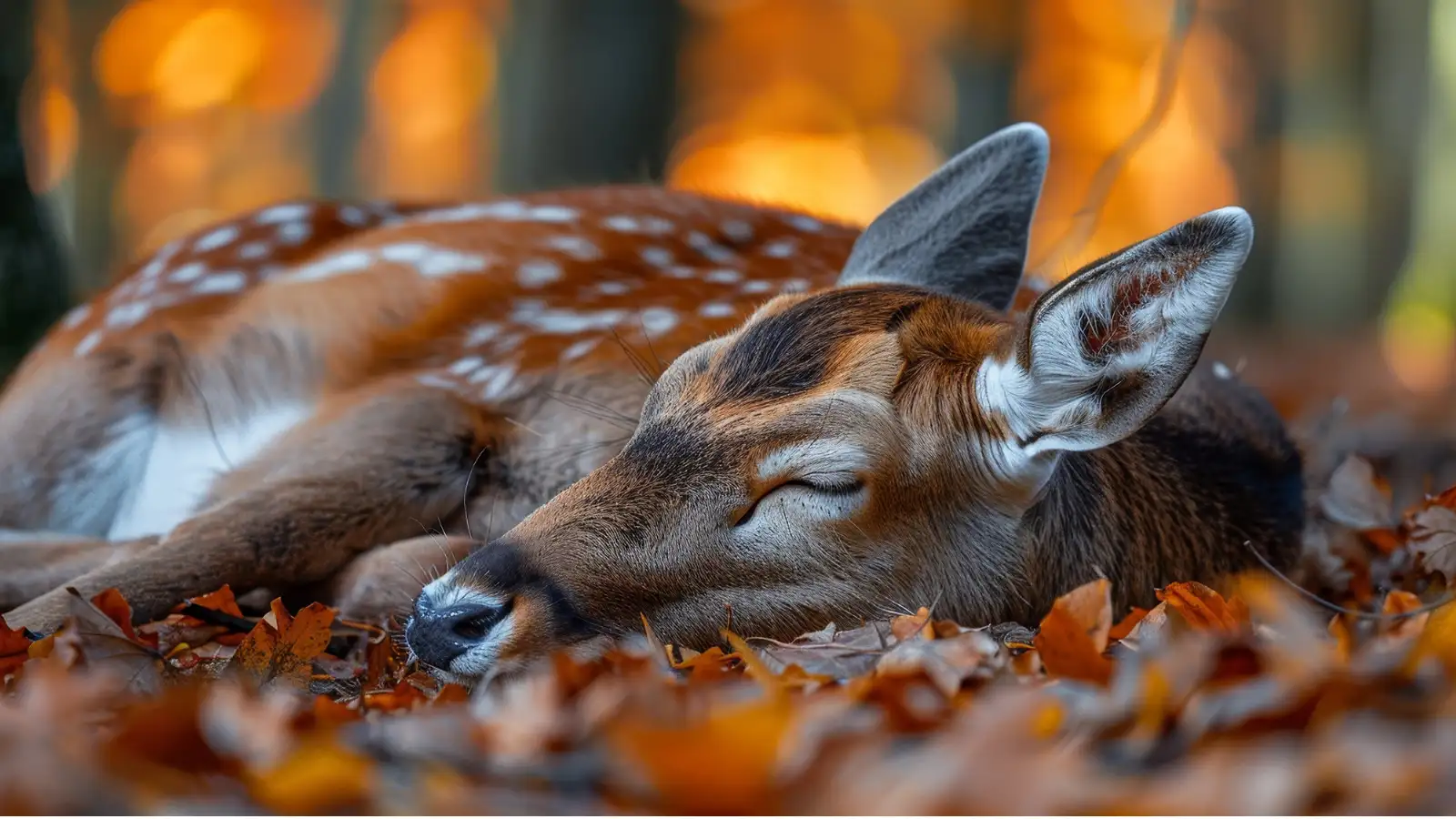
The science behind why animals pretend to be dead is rooted in predator behaviour. Many predators are instinctively drawn to moving prey. When an animal suddenly becomes still, it can disrupt the predator’s hunting instinct. In some cases, predators prefer fresh kills and avoid carcasses that may be diseased or already decomposing. This hesitation provides a crucial window for the prey to escape once the threat has passed.
One of the most well-known examples of this behaviour is the opossum. In fact, the phrase playing possum comes from this animal’s ability to convincingly fake death. When threatened, the opossum collapses, slows its breathing, and even releases a foul-smelling fluid to mimic decay. This level of realism often deters predators, allowing the opossum to survive encounters that might otherwise be fatal.
Thanatosis is not limited to mammals. Reptiles, amphibians, and even insects use this tactic. Certain species of snakes flip onto their backs with their mouths open and tongues hanging out, creating the appearance of a lifeless body. Some beetles and spiders also freeze instantly when disturbed, blending seamlessly into their surroundings. This diversity shows how widespread and effective animal defence mechanisms can be.
The evolutionary advantage of playing dead lies in its simplicity and efficiency. Unlike physical combat or fleeing, thanatosis does not require strength or speed. Instead, it relies on deception. Over time, natural selection has favoured individuals that can perform this act convincingly, ensuring that the behaviour is passed down through generations. This makes thanatosis a key example of behavioural adaptation in the animal kingdom.
Interestingly, the duration of this behaviour can vary. Some animals remain still for only a few seconds, while others can maintain the act for several minutes. The timing often depends on the level of threat and the species involved. This flexibility adds another layer to the effectiveness of the strategy.
Understanding why animals pretend to be dead also provides insight into the complex relationships between predators and prey. It highlights how survival is not always about confrontation but often about outsmarting the opponent. In ecosystems where every second counts, even the smallest advantage can make a significant difference.
Animals playing dead to survive is a remarkable example of nature’s ingenuity. Thanatosis demonstrates how behaviour can evolve to meet the challenges of survival. By turning stillness into a powerful defence, these animals remind us that sometimes the best way to win is to do nothing at all.
The science behind why animals pretend to be dead is rooted in predator behaviour. Many predators are instinctively drawn to moving prey. When an animal suddenly becomes still, it can disrupt the predator’s hunting instinct. In some cases, predators prefer fresh kills and avoid carcasses that may be diseased or already decomposing. This hesitation provides a crucial window for the prey to escape once the threat has passed.
One of the most well-known examples of this behaviour is the opossum. In fact, the phrase playing possum comes from this animal’s ability to convincingly fake death. When threatened, the opossum collapses, slows its breathing, and even releases a foul-smelling fluid to mimic decay. This level of realism often deters predators, allowing the opossum to survive encounters that might otherwise be fatal.
You may also like
- MOUNJARO'S FACE EFFECT
- Chronic sleep loss affects postpartum recovery: 8 practical ways new moms can improve sleep in early weeks
- 5 Small Daily Habits That Can Improve Your Life Instantly
- How Poor Oral Hygiene Raises Oxidative Stress in Men
- Understanding Tongue Traits: Insights from Ayurveda and Astrology
Thanatosis is not limited to mammals. Reptiles, amphibians, and even insects use this tactic. Certain species of snakes flip onto their backs with their mouths open and tongues hanging out, creating the appearance of a lifeless body. Some beetles and spiders also freeze instantly when disturbed, blending seamlessly into their surroundings. This diversity shows how widespread and effective animal defence mechanisms can be.
The evolutionary advantage of playing dead lies in its simplicity and efficiency. Unlike physical combat or fleeing, thanatosis does not require strength or speed. Instead, it relies on deception. Over time, natural selection has favoured individuals that can perform this act convincingly, ensuring that the behaviour is passed down through generations. This makes thanatosis a key example of behavioural adaptation in the animal kingdom.
Interestingly, the duration of this behaviour can vary. Some animals remain still for only a few seconds, while others can maintain the act for several minutes. The timing often depends on the level of threat and the species involved. This flexibility adds another layer to the effectiveness of the strategy.
Understanding why animals pretend to be dead also provides insight into the complex relationships between predators and prey. It highlights how survival is not always about confrontation but often about outsmarting the opponent. In ecosystems where every second counts, even the smallest advantage can make a significant difference.
Animals playing dead to survive is a remarkable example of nature’s ingenuity. Thanatosis demonstrates how behaviour can evolve to meet the challenges of survival. By turning stillness into a powerful defence, these animals remind us that sometimes the best way to win is to do nothing at all.






More from our partners


Loving Newspoint? Download the app now
