
Why Are Margins Printed in Notebooks? The Practical Reason Explained

That vertical line on the side of a notebook page looks so ordinary that most people never question it. Students have written inside it for generations, leaving a narrow strip of empty space beside their notes. But margins were not originally created simply to make handwriting look neat. Their history is connected to books, insects, printing practices and the practical problems faced by readers centuries ago. Today, notebook margins remain a familiar part of writing culture, even though some of the reasons behind them have largely disappeared.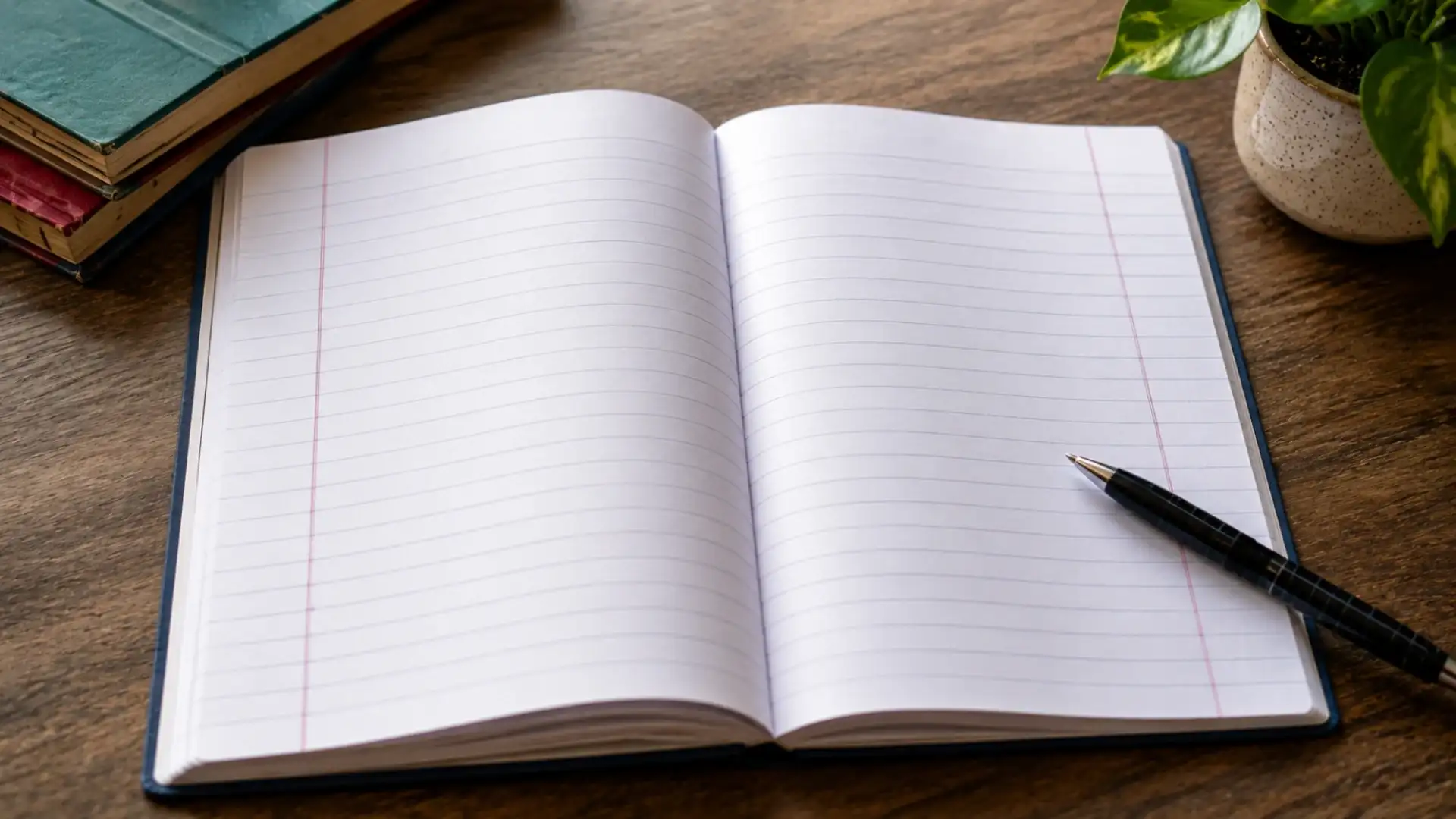
Margins provided a safe area where notes could be added without interfering with the main text. Medieval manuscripts are famous for their elaborate marginal illustrations and handwritten comments.
But there was another practical concern: physical damage.
A margin therefore creates a buffer between important writing and the part of the page most likely to become dirty, worn or damaged.
There is also a long-running historical claim that margins helped protect writing from rodents chewing the edges of books. Rodents can damage paper, but historians generally treat the idea that margins were specifically invented for this purpose with caution. The explanation is memorable, but the history of margins is more complicated.
In many schools, students are taught to begin writing after the margin because it keeps notes aligned and leaves space for corrections.
The familiar red vertical line found in many Indian and British-style exercise books has therefore become part of classroom culture.
A margin also gives the eye a visual boundary, making dense pages feel easier to navigate.
So that apparently empty strip of paper is not wasted space. It is the result of centuries of writing habits, bookmaking practices and practical design. Sometimes the most ordinary line on a notebook page has a surprisingly long history behind it.
Margins Protected Important Writing
Before modern printing and mass-produced notebooks, books were expensive objects that had to survive years of handling. Readers and scribes needed space around text for corrections, comments and additional information.Margins provided a safe area where notes could be added without interfering with the main text. Medieval manuscripts are famous for their elaborate marginal illustrations and handwritten comments.
But there was another practical concern: physical damage.
A Buffer Against Damage
The outer edges of pages are more exposed to handling than the text in the centre. Fingers naturally touch corners and edges while pages are turned.You may also like
- Health Tips: These are the main symptoms of swine flu, do not ignore them
- Health Tips: To get rid of fatty liver problems, include these three things in your diet today
- Union Minister Kiren Rijiju responds to Arunachal girl's cute request, “Humko Indian bolo”: “You have become famous; the whole of India loves you”
- High heels were originally made for men, here's surprising story
- 5 Cucumber Skincare Secrets for Fresh, Glowing Skin
A margin therefore creates a buffer between important writing and the part of the page most likely to become dirty, worn or damaged.
There is also a long-running historical claim that margins helped protect writing from rodents chewing the edges of books. Rodents can damage paper, but historians generally treat the idea that margins were specifically invented for this purpose with caution. The explanation is memorable, but the history of margins is more complicated.
Why School Notebooks Keep Them
Modern notebook margins serve several practical purposes. They help create visual structure, give teachers room for comments and make handwritten pages easier to scan.In many schools, students are taught to begin writing after the margin because it keeps notes aligned and leaves space for corrections.
The familiar red vertical line found in many Indian and British-style exercise books has therefore become part of classroom culture.
Why Margins Still Matter Today
Digital documents can automatically create generous spacing, but physical margins remain useful because handwriting is less predictable than typed text.A margin also gives the eye a visual boundary, making dense pages feel easier to navigate.
So that apparently empty strip of paper is not wasted space. It is the result of centuries of writing habits, bookmaking practices and practical design. Sometimes the most ordinary line on a notebook page has a surprisingly long history behind it.






Loving Newspoint? Download the app now
