
Why Are We So Obsessed With iPhones? The Psychology Behind Apple’s Cult Following

The strange part is that an iPhone is no longer just a phone. For millions of people, it has become a status symbol, a lifestyle choice and even a part of their identity. There are plenty of smartphones that offer similar features, sometimes for less money. So why does Apple have people lining up to spend so much on a device they technically don't need?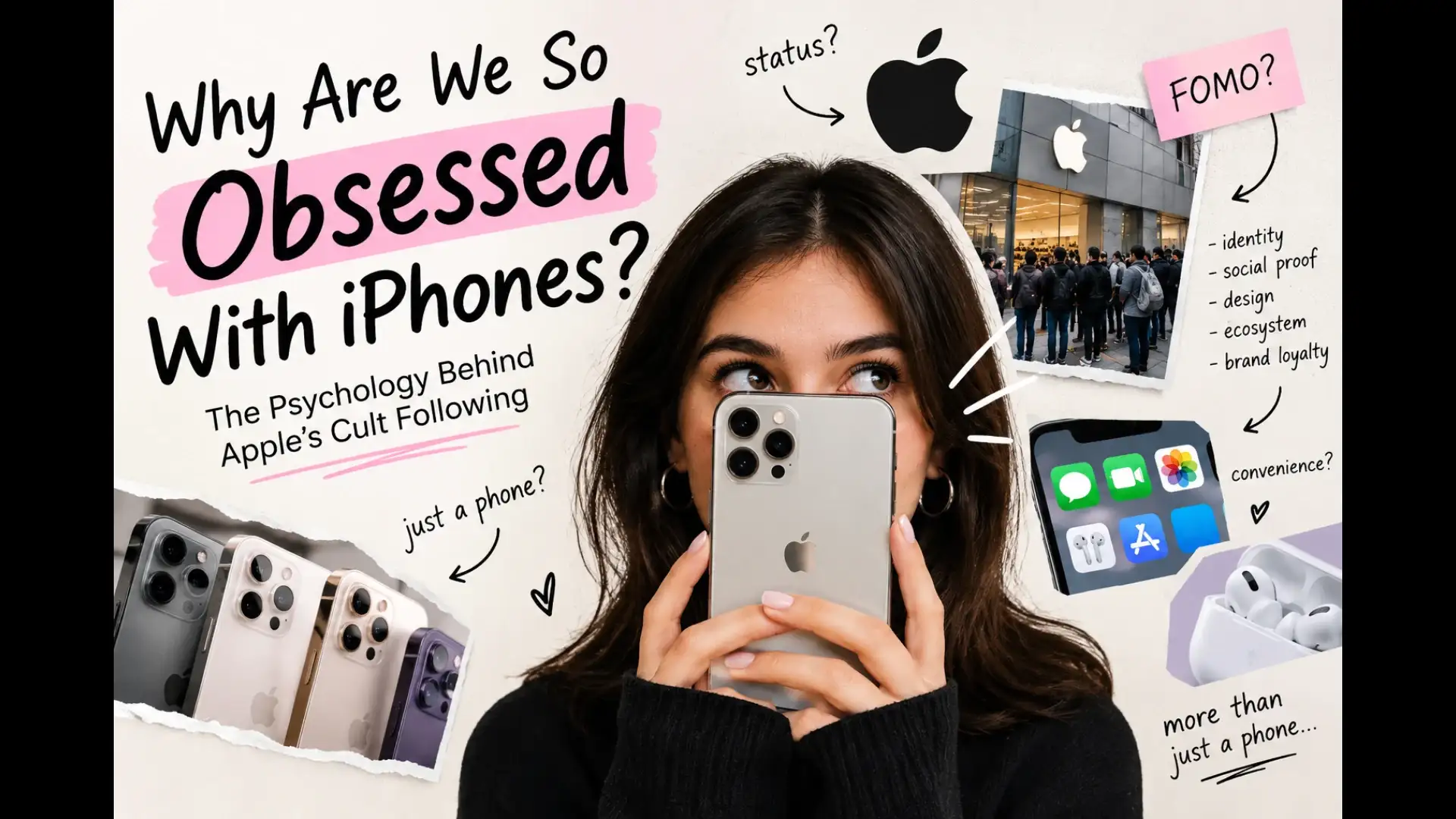
It’s Not Just a Cellphone Anymore
Apple spent years building a brand that’s more than just its products. The iPhone has always been about premium design, simplicity and a certain lifestyle. When you buy one, you’re not just buying a gadget. You are buying into the image that goes along with it, too.
This is a classic example of how brands can become connected to identity. People often choose products that reflect how they see themselves or how they want others to see them. An iPhone can quietly communicate that someone values design, technology, status or simply being part of a particular crowd.
The FOMO Is Real
Then comes the social part. If almost everyone around you has an iPhone, owning one can start feeling less like a luxury and more like the normal thing to do. Your friends have AirDrop. Someone sends a FaceTime link. Everyone is sharing photos through iMessage. Suddenly, not having an iPhone can feel like being slightly outside the group.
New launches make this even stronger. Every year, social media fills with videos showing the latest camera, colours and features. Even if you were perfectly happy with your current phone yesterday, seeing thousands of people upgrade can create the feeling that you're falling behind.
Apple Knows How to Build Anticipation
Apple launches are also designed to create excitement. The company rarely treats a new product like something that simply appears on a shelf. There is anticipation, speculation, leaks, countdowns, launch events and endless online discussion before people can even buy the phone.
That anticipation matters psychologically. When something feels exclusive or highly anticipated, people can perceive it as more desirable. The conversation around the product becomes part of the product itself. By launch day, you're not just buying a phone. You're buying into something everyone has been talking about for weeks.
The Apple Ecosystem Makes Leaving Hard
There is another reason people keep coming back: once you own several Apple products, they work together extremely smoothly. Your AirPods connect to your iPhone. Your photos can appear across devices. Your Mac, iPad and Apple Watch can all work together.
That convenience creates a kind of familiarity. Once you've built your digital life around one ecosystem, switching to another brand can feel like unnecessary effort. You would have to learn different features, move your data and adjust to a different system. Sometimes staying isn't about loving the newest iPhone. It's simply easier because everything you already own works with it.
We Start Defending What We Buy
There is also a psychological phenomenon called cognitive dissonance. When people spend a significant amount of money on something, they naturally want to believe they made a good decision.
So if someone spends a lot on an iPhone, they may pay more attention to the things they love about it and dismiss criticisms of the product. This isn't unique to Apple. We do it with cars, clothes, laptops, gaming consoles and almost anything else we spend serious money on.
The more attached we become to a purchase, the easier it is for the product to become part of our identity. At that point, criticism of the product can almost feel personal.
Why Apple Feels “Premium”
Apple also understands the psychology of presentation. From the packaging to the stores to the advertisements, the brand creates a consistent visual language. Everything feels carefully designed and controlled.
That sort of consistency can make the product feel more valuable even before you use it. And with Apple marketing the iPhone as a premium product, price can play a role in perception. You pay more, and people automatically assume higher quality or status even when the difference isn’t always visible in day-to-day use.
So, Are We Actually Buying the Phone?
Partly, yes. The iPhone is still a functional product, and people have genuine reasons for preferring it. The camera, software, security, ecosystem and long-term support can all matter.
But the obsession goes beyond specifications. We are also buying familiarity, belonging, status, convenience and sometimes the feeling that we are keeping up with the world around us. That's why the iPhone conversation never really ends. The phone changes every year, but the psychology behind wanting it stays remarkably similar.
Maybe that's the real reason for Apple's cult following. It didn’t just sell people on the idea that they needed a better phone. It made the phone a reflection of who they were. When a product becomes part of someone’s identity, it’s not just another purchase to upgrade. It begins to feel like you are trying to keep up with yourself.
It’s Not Just a Cellphone Anymore
Apple spent years building a brand that’s more than just its products. The iPhone has always been about premium design, simplicity and a certain lifestyle. When you buy one, you’re not just buying a gadget. You are buying into the image that goes along with it, too.
This is a classic example of how brands can become connected to identity. People often choose products that reflect how they see themselves or how they want others to see them. An iPhone can quietly communicate that someone values design, technology, status or simply being part of a particular crowd.
The FOMO Is Real
Then comes the social part. If almost everyone around you has an iPhone, owning one can start feeling less like a luxury and more like the normal thing to do. Your friends have AirDrop. Someone sends a FaceTime link. Everyone is sharing photos through iMessage. Suddenly, not having an iPhone can feel like being slightly outside the group.
New launches make this even stronger. Every year, social media fills with videos showing the latest camera, colours and features. Even if you were perfectly happy with your current phone yesterday, seeing thousands of people upgrade can create the feeling that you're falling behind.
Apple Knows How to Build Anticipation
Apple launches are also designed to create excitement. The company rarely treats a new product like something that simply appears on a shelf. There is anticipation, speculation, leaks, countdowns, launch events and endless online discussion before people can even buy the phone.
That anticipation matters psychologically. When something feels exclusive or highly anticipated, people can perceive it as more desirable. The conversation around the product becomes part of the product itself. By launch day, you're not just buying a phone. You're buying into something everyone has been talking about for weeks.
The Apple Ecosystem Makes Leaving Hard
There is another reason people keep coming back: once you own several Apple products, they work together extremely smoothly. Your AirPods connect to your iPhone. Your photos can appear across devices. Your Mac, iPad and Apple Watch can all work together.
That convenience creates a kind of familiarity. Once you've built your digital life around one ecosystem, switching to another brand can feel like unnecessary effort. You would have to learn different features, move your data and adjust to a different system. Sometimes staying isn't about loving the newest iPhone. It's simply easier because everything you already own works with it.
We Start Defending What We Buy
There is also a psychological phenomenon called cognitive dissonance. When people spend a significant amount of money on something, they naturally want to believe they made a good decision.
So if someone spends a lot on an iPhone, they may pay more attention to the things they love about it and dismiss criticisms of the product. This isn't unique to Apple. We do it with cars, clothes, laptops, gaming consoles and almost anything else we spend serious money on.
The more attached we become to a purchase, the easier it is for the product to become part of our identity. At that point, criticism of the product can almost feel personal.
Why Apple Feels “Premium”
Apple also understands the psychology of presentation. From the packaging to the stores to the advertisements, the brand creates a consistent visual language. Everything feels carefully designed and controlled.
That sort of consistency can make the product feel more valuable even before you use it. And with Apple marketing the iPhone as a premium product, price can play a role in perception. You pay more, and people automatically assume higher quality or status even when the difference isn’t always visible in day-to-day use.
So, Are We Actually Buying the Phone?
Partly, yes. The iPhone is still a functional product, and people have genuine reasons for preferring it. The camera, software, security, ecosystem and long-term support can all matter.
But the obsession goes beyond specifications. We are also buying familiarity, belonging, status, convenience and sometimes the feeling that we are keeping up with the world around us. That's why the iPhone conversation never really ends. The phone changes every year, but the psychology behind wanting it stays remarkably similar.
Maybe that's the real reason for Apple's cult following. It didn’t just sell people on the idea that they needed a better phone. It made the phone a reflection of who they were. When a product becomes part of someone’s identity, it’s not just another purchase to upgrade. It begins to feel like you are trying to keep up with yourself.
Next Story