
Discover the Azores: 10 Natural Wonders That Make This Atlantic Archipelago So Special

Located in the North Atlantic Ocean, the Azores archipelago is one of Portugal's most remarkable natural destinations. This group of nine volcanic islands is famous for its emerald-green landscapes, crater lakes, dramatic coastlines, hot springs and rich marine life. Its location in the middle of the Atlantic has helped preserve a distinctive environment, where mountains, forests and the ocean come together. Each island offers a different experience, from peaceful lakeside scenery to rugged volcanic terrain. Whether you enjoy hiking, wildlife watching or exploring quiet coastal villages, the Azores provides plenty of reasons to appreciate its natural beauty.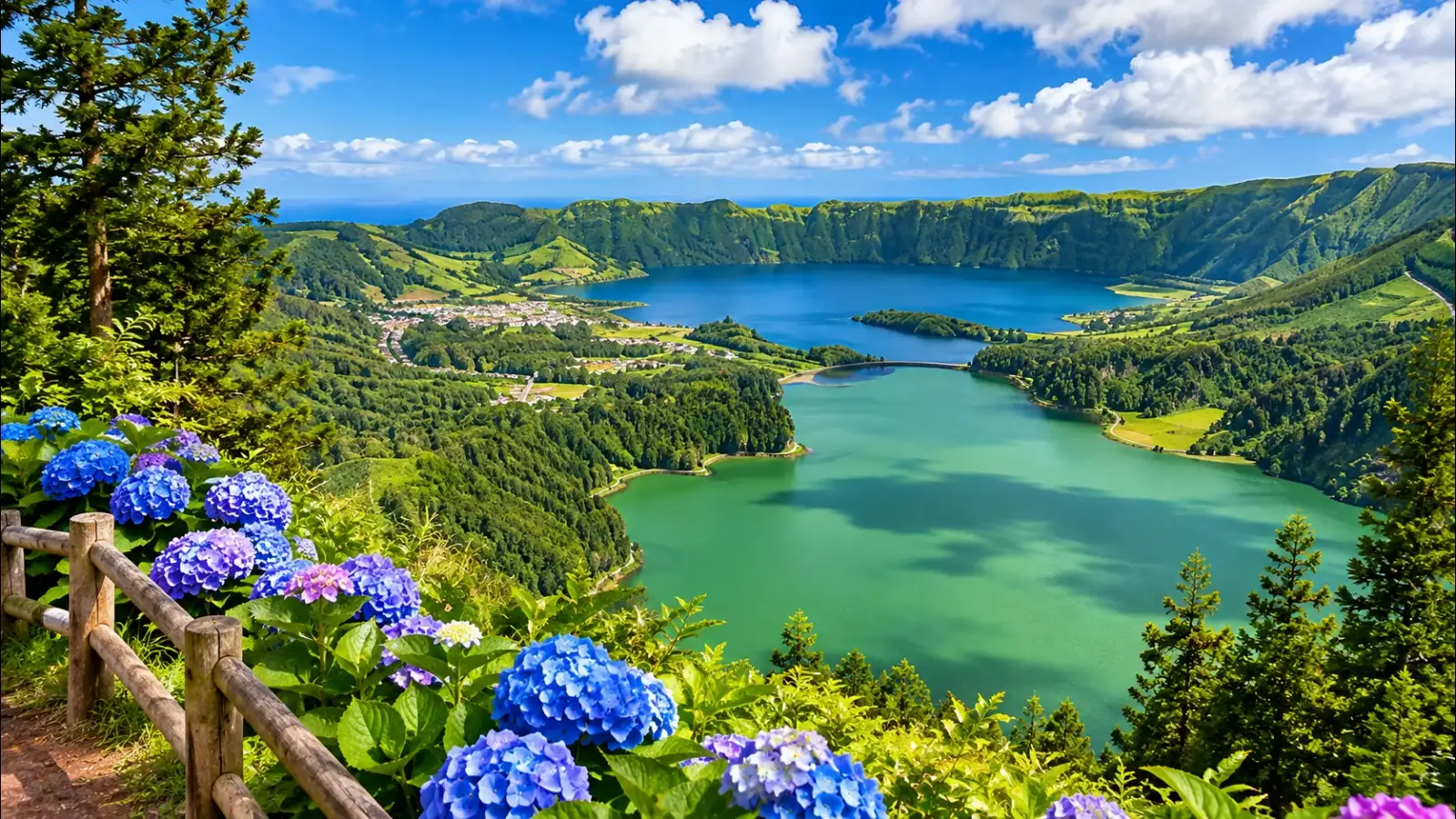
1. Volcanic Landscapes and Dramatic Mountains
The Azores was formed through volcanic activity, which has shaped its mountains, valleys, cliffs and unusual rock formations. Travellers can see evidence of this geological history across the islands, from volcanic craters to rugged coastal slopes.
Pico Island is particularly famous for Mount Pico, Portugal's highest mountain. Its impressive volcanic cone dominates the landscape and attracts hikers who want to experience the island from a higher viewpoint.
2. Beautiful Crater Lakes
One of the most recognisable features of the Azores is its collection of crater lakes. These lakes occupy volcanic calderas and are surrounded by green hills and dense vegetation.
Sete Cidades on São Miguel is among the most famous examples. Its two adjoining lakes, commonly known as the Blue Lake and Green Lake, create a striking landscape. The viewpoint at Vista do Rei offers a particularly impressive view of the surrounding crater.
3. Lush Green Countryside
The islands are known for their green landscapes, with rolling pastures, forests, hedgerows and fields stretching across the hillsides. The mild, humid climate supports a variety of vegetation and gives many areas their lush appearance.
São Miguel is especially attractive for its green valleys and agricultural scenery. Travellers can explore country roads, walk through natural surroundings and discover small villages set among the hills.
4. Dramatic Coastal Cliffs and Natural Pools
The Azores has a varied coastline featuring steep cliffs, rocky shores, black volcanic beaches and natural swimming pools. These formations create some of the archipelago's most distinctive seaside landscapes.
On São Miguel, areas such as Mosteiros are known for their dramatic rock formations and coastal sunsets. Natural pools formed by volcanic rock can also be found on several islands, offering opportunities to enjoy the Atlantic in suitable weather conditions.
5. Hot Springs and Geothermal Activity
The volcanic origins of the Azores are also visible in its geothermal features. São Miguel is particularly famous for its hot springs, thermal pools and steaming fumaroles.
In Furnas, visitors can explore geothermal areas where steam rises from the ground. The Terra Nostra garden also has a well-known thermal pool surrounded by lush greenery. These features make the island an interesting destination for those curious about the connection between geology and nature.
6. Rich Marine Life and Whale Watching
The waters surrounding the Azores support a remarkable variety of marine life. Several species of whales and dolphins can be found in the region, making it an important destination for responsible wildlife watching.
Boat trips operate from different islands, particularly São Miguel, Faial and Pico. Depending on the season and conditions, visitors may have opportunities to spot sperm whales, dolphins and other marine species. Sightings are never guaranteed, so choosing responsible operators is important.
7. Colourful Hydrangea-Lined Roads
During the flowering season, hydrangeas add striking shades of blue, purple and pink to parts of the Azorean landscape. These flowers are commonly seen along roadsides, field boundaries and rural properties.
Faial is particularly associated with its blue hydrangeas and is sometimes called the Blue Island. Their colourful blooms create beautiful contrasts with the green countryside and dark volcanic stone walls.
8. Diverse Forests and Hiking Trails
The Azores offers numerous walking routes through forests, volcanic landscapes, coastal paths and mountain areas. These trails allow visitors to experience the islands at a slower pace while enjoying their natural surroundings.
São Miguel has popular routes around crater lakes and forested valleys, while Flores is known for its waterfalls and green landscapes. Trails vary in difficulty, so travellers should check route conditions and choose paths suited to their fitness levels.
9. Waterfalls and Hidden Valleys
Some of the archipelago's most beautiful landscapes can be found around its waterfalls and secluded valleys. Flores is particularly famous for its waterfalls, which flow down steep green slopes and collect in natural pools.
Poço da Ribeira do Ferreiro is one of the island's best-known natural attractions. Surrounded by dense vegetation and several cascading waterfalls, it offers a striking example of the Azores' dramatic scenery.
10. Peaceful Villages and Traditional Landscapes
Beyond its natural attractions, the Azores is also known for its quiet villages and traditional rural surroundings. Small settlements feature whitewashed houses, churches, green fields and stone walls that blend into the landscape.
Visitors can explore coastal villages, local markets and scenic harbours while learning about island life. The slower pace and relatively uncrowded atmosphere in many areas add to the archipelago's appeal.
Best Time to Visit the Azores
The period from May to September is generally popular for visiting the Azores. These months often offer relatively mild temperatures and longer daylight hours, making them suitable for hiking, sightseeing and boat excursions.
Spring is particularly attractive for flowering landscapes, while summer is a good period for exploring coastal areas and enjoying outdoor activities. The weather can change quickly throughout the year, however, so visitors should be prepared for rain, wind and occasional fog even during summer.
Travel Tips for Exploring the Azores
- Plan to spend several days on each island rather than rushing through the archipelago.
- Check ferry and flight schedules before organising island-hopping trips.
- Carry waterproof clothing and comfortable walking shoes.
- Check local weather conditions before hiking or booking boat excursions.
- Follow marked trails and respect protected natural areas.
- Choose responsible wildlife-watching operators that follow appropriate distance guidelines.
Next Story