
Why back pain may have less to do with ageing and more to do with how you move, Nickhil Jakatdar explains


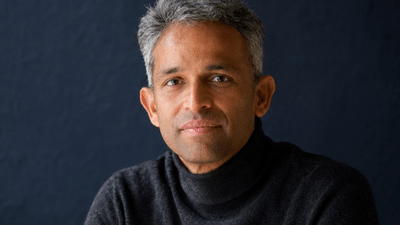
Back pain gets brushed aside as something that naturally comes with growing older. But Nickhil Jakatdar, in a recent conversation with physiotherapist Dr Saurabh Sane, points to another possibility: the way the body moves may matter more than the number of candles on the birthday cake.
Jakatdar explains that many cases of persistent back pain are linked to movement patterns, posture and muscle imbalance. His larger message is simple: getting older does not automatically mean living with back pain.
Two different back patterns can need different exercisesAccording to Jakatdar, two common patterns discussed in the conversation are an overarched lower back and a flattened lower back.
For an overarched lower back, he highlights exercises that build core control, including pelvic tilts, controlled curl-ups and leg raises.
For a flatter lower back, he points towards strengthening the back while improving flexibility. Back extensions, along with hamstring and glute stretches, feature in his explanation.
These exercises should not be treated as a universal prescription. The cause of back pain can differ from person to person, so a physiotherapist can help identify the movement pattern and choose suitable exercises.
Resting all day may not be the answerOne of Jakatdar's most important points is about what happens after pain begins. Complete rest can feel like the safest option, but staying inactive for too long may make returning to normal movement harder.
The World Health Organization recommends education, self-care and exercise as part of managing chronic primary low back pain. Its 2023 guideline also supports structured exercise programmes for adults, including older people.
WHO notes that low back pain can occur at any age. About 90% of cases are classified as non-specific, meaning no single underlying disease or structural problem can confidently explain the pain.
Ice, heat and massage have different rolesJakatdar also discusses recovery tools. He says ice can be useful during the early period after an injury, while heat later may help relax muscles and improve comfort.
Massage and myofascial release may also help some people move more comfortably. Clinical guidance from NICE considers massage and other manual therapies as options when they are combined with exercise, rather than used as the only treatment.
The key idea is not to chase temporary relief while ignoring movement. The longer-term goal is to restore strength, mobility and confidence.
When back pain needs medical attentionNot every backache is simply a posture or muscle problem. WHO notes that some cases can be linked to conditions such as fractures, cancer or other underlying diseases.
Pain that follows significant trauma, or occurs with symptoms such as leg weakness, numbness, bladder or bowel problems, unexplained weight loss or fever, needs medical assessment rather than self-treatment.
ID@undefined Caption not available.
The bigger lesson about ageingJakatdar's point fits into a broader idea of healthy ageing: movement should not disappear simply because the body gets older.
Back pain is common, but it should not automatically be accepted as an unavoidable price of ageing. For many people, understanding how the body moves, building appropriate strength and staying active can be a more useful starting point than simply avoiding movement.
Jakatdar explains that many cases of persistent back pain are linked to movement patterns, posture and muscle imbalance. His larger message is simple: getting older does not automatically mean living with back pain.
Two different back patterns can need different exercisesAccording to Jakatdar, two common patterns discussed in the conversation are an overarched lower back and a flattened lower back.
For an overarched lower back, he highlights exercises that build core control, including pelvic tilts, controlled curl-ups and leg raises.
For a flatter lower back, he points towards strengthening the back while improving flexibility. Back extensions, along with hamstring and glute stretches, feature in his explanation.
These exercises should not be treated as a universal prescription. The cause of back pain can differ from person to person, so a physiotherapist can help identify the movement pattern and choose suitable exercises.
Resting all day may not be the answerOne of Jakatdar's most important points is about what happens after pain begins. Complete rest can feel like the safest option, but staying inactive for too long may make returning to normal movement harder.
The World Health Organization recommends education, self-care and exercise as part of managing chronic primary low back pain. Its 2023 guideline also supports structured exercise programmes for adults, including older people.
WHO notes that low back pain can occur at any age. About 90% of cases are classified as non-specific, meaning no single underlying disease or structural problem can confidently explain the pain.
Ice, heat and massage have different rolesJakatdar also discusses recovery tools. He says ice can be useful during the early period after an injury, while heat later may help relax muscles and improve comfort.
Massage and myofascial release may also help some people move more comfortably. Clinical guidance from NICE considers massage and other manual therapies as options when they are combined with exercise, rather than used as the only treatment.
The key idea is not to chase temporary relief while ignoring movement. The longer-term goal is to restore strength, mobility and confidence.
When back pain needs medical attentionNot every backache is simply a posture or muscle problem. WHO notes that some cases can be linked to conditions such as fractures, cancer or other underlying diseases.
Pain that follows significant trauma, or occurs with symptoms such as leg weakness, numbness, bladder or bowel problems, unexplained weight loss or fever, needs medical assessment rather than self-treatment.
ID@undefined Caption not available.
The bigger lesson about ageingJakatdar's point fits into a broader idea of healthy ageing: movement should not disappear simply because the body gets older.
Back pain is common, but it should not automatically be accepted as an unavoidable price of ageing. For many people, understanding how the body moves, building appropriate strength and staying active can be a more useful starting point than simply avoiding movement.
Next Story