
The Forgotten Fruit That Once Grew in Nearly Every Indian Backyard

Walk through older villages in India and you may still spot a bael tree standing quietly in a courtyard or near a temple. The fruit, known for its hard shell and sweet earthy flavour, was once a common part of Indian households. Today, many younger people have barely tasted it.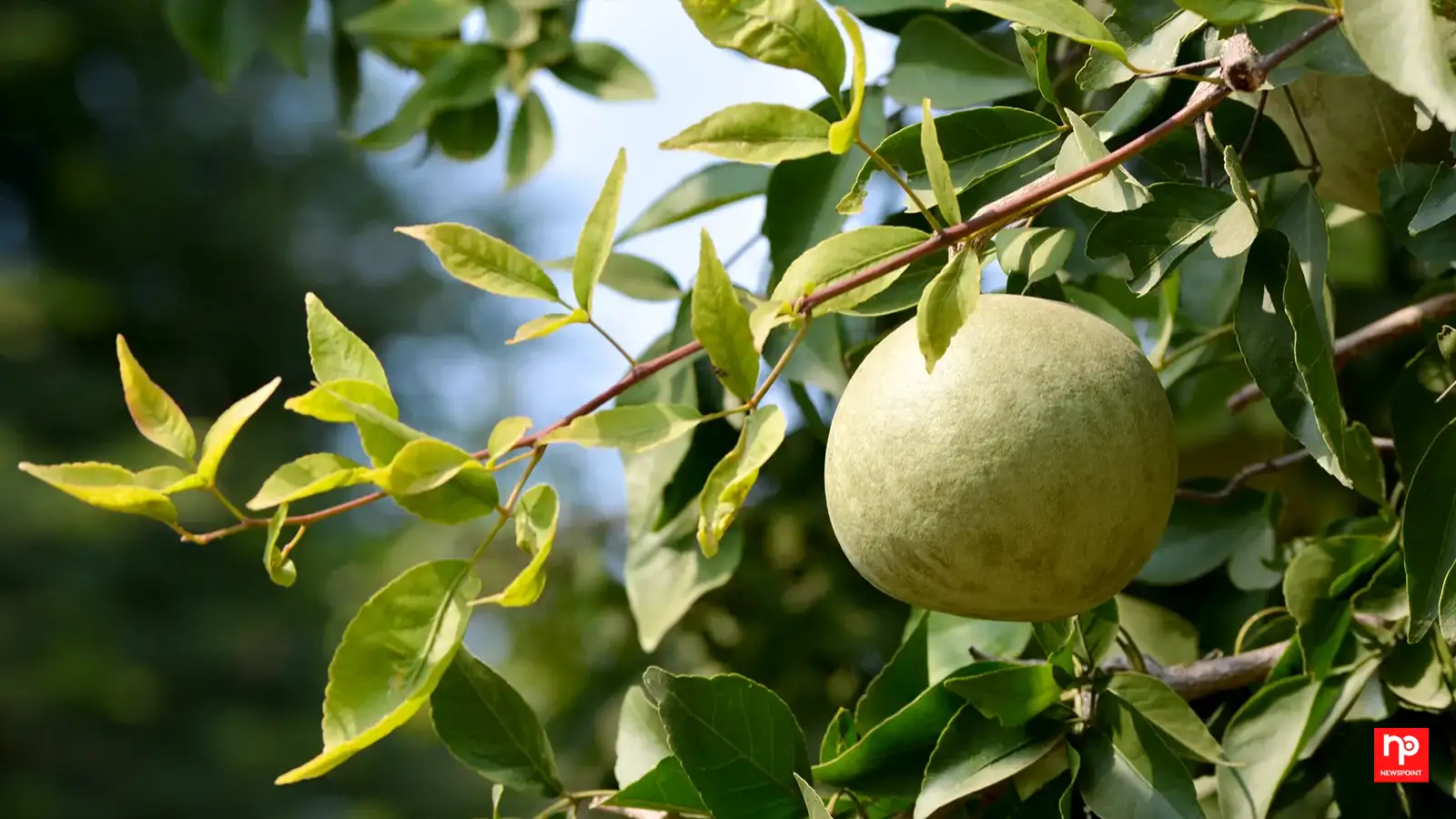
Modern supermarkets are packed with imported fruits and expensive health drinks, yet bael remains one of the most overlooked natural foods despite its impressive nutritional value.
The fruit became especially valued because it was believed to support digestion. Many households used it as a natural remedy for stomach discomfort, acidity, and irregular bowel movements long before packaged digestive products became common.
Its naturally thick pulp also made it filling and satisfying during harsh summer afternoons.
Unlike many heavily processed fruit drinks, homemade bael beverages usually contain fewer additives and preservatives.
The fruit’s natural sweetness also means people often need less added sugar compared to many commercial juices.
Another issue is limited visibility. Younger generations often grow up seeing imported fruits advertised heavily while traditional regional fruits receive little attention.
As food habits modernised, many local seasonal foods slowly lost space in everyday kitchens.
Bael fits perfectly into this movement because it is seasonal, locally available in many regions, and linked with traditional wellness practices.
Some cafés and wellness brands have even started experimenting with bael based drinks and desserts.
Bael reminds people that healthy eating does not always require expensive imported ingredients or complicated diets. Sometimes the most useful foods are the ones quietly growing nearby, waiting to be noticed again.
Modern supermarkets are packed with imported fruits and expensive health drinks, yet bael remains one of the most overlooked natural foods despite its impressive nutritional value.
Why Bael Was Traditionally So Popular
Bael fruit has been part of Indian food culture for centuries. During extremely hot summers, families often prepared cooling bael sherbet to help the body stay refreshed.The fruit became especially valued because it was believed to support digestion. Many households used it as a natural remedy for stomach discomfort, acidity, and irregular bowel movements long before packaged digestive products became common.
Its naturally thick pulp also made it filling and satisfying during harsh summer afternoons.
Nutritional Benefits Hidden Inside the Hard Shell
Bael contains fibre, vitamin C, antioxidants, and plant compounds linked to digestive health. Because it grows naturally in hot climates, the fruit adapts well to Indian weather conditions without requiring heavy chemical treatment.Unlike many heavily processed fruit drinks, homemade bael beverages usually contain fewer additives and preservatives.
The fruit’s natural sweetness also means people often need less added sugar compared to many commercial juices.
Why Urban Families Stopped Buying It
One reason bael gradually disappeared from daily diets is convenience. The fruit has an extremely hard outer shell that requires effort to crack open. Compared to apples, bananas, or packaged juices, bael simply feels less convenient for fast urban lifestyles.Another issue is limited visibility. Younger generations often grow up seeing imported fruits advertised heavily while traditional regional fruits receive little attention.
As food habits modernised, many local seasonal foods slowly lost space in everyday kitchens.
A Slow Return Through Health Awareness
Interestingly, interest in traditional foods is beginning to grow again. Nutritionists and health conscious consumers are increasingly searching for natural alternatives to highly processed products.Bael fits perfectly into this movement because it is seasonal, locally available in many regions, and linked with traditional wellness practices.
Some cafés and wellness brands have even started experimenting with bael based drinks and desserts.
Why Forgotten Foods Matter
Rediscovering traditional fruits is not only about nostalgia. Many local foods evolved alongside regional climates and eating habits for generations.Bael reminds people that healthy eating does not always require expensive imported ingredients or complicated diets. Sometimes the most useful foods are the ones quietly growing nearby, waiting to be noticed again.
Next Story