
Why Banswara Is Called the City of a Hundred Islands in Rajasthan

When people picture Rajasthan, they often imagine golden deserts, grand forts and dry landscapes. Banswara challenges that image completely. Located in the southern part of the state, the city sits in a greener landscape shaped by hills, water bodies and the Mahi River . Its most intriguing nickname is the “City of a Hundred Islands”. The name comes from the numerous islands found along the Mahi and the surrounding water landscape. Rajasthan Tourism itself notes that ancient writings referred to Banswara as the city of hundred islands.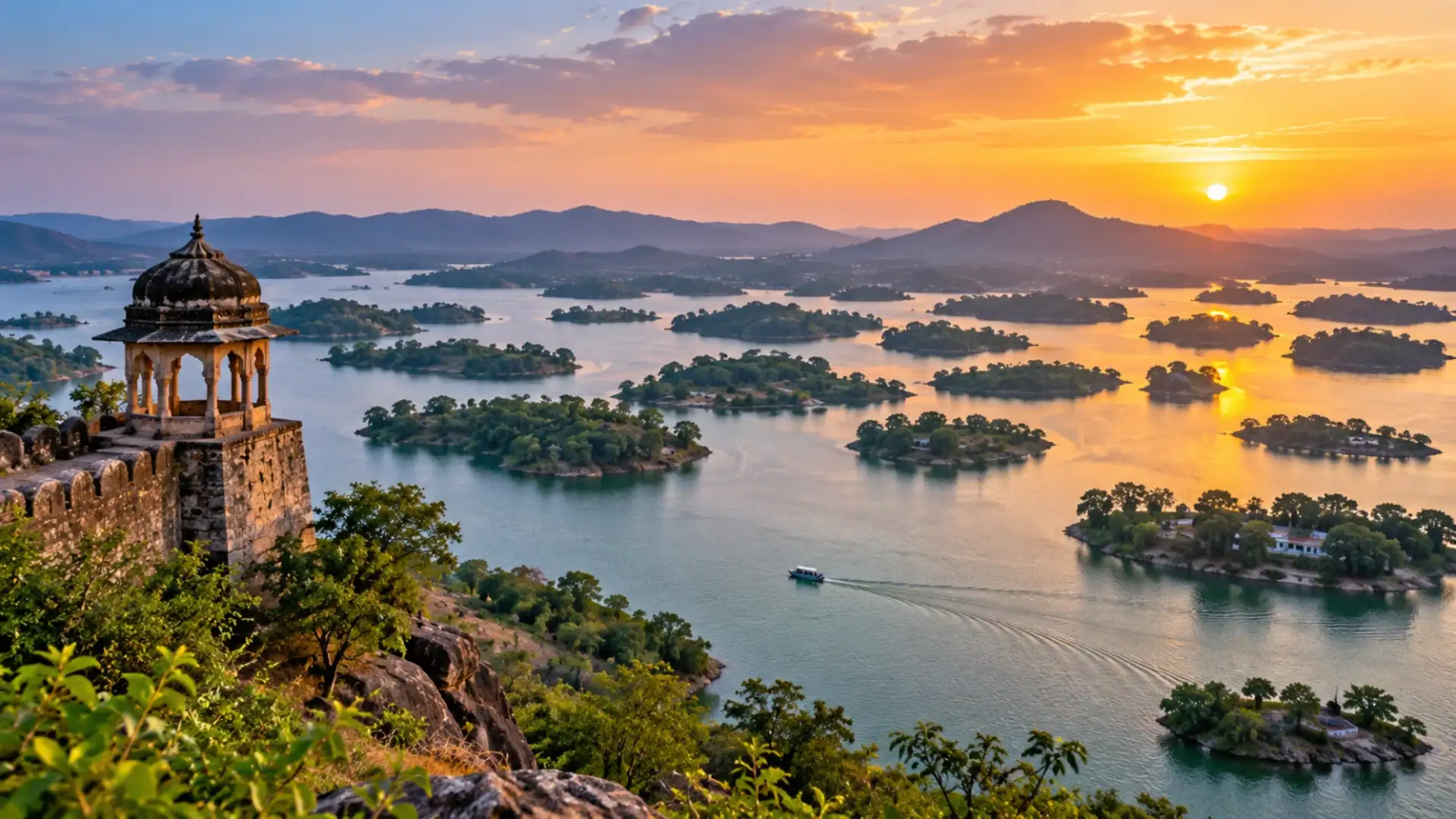
The river flows through the region and, along with reservoirs and other water bodies, creates an unusual landscape of small islands and green hills. This is one reason Banswara can look surprisingly lush, particularly during the monsoon.
The Mahi River eventually travels through Gujarat before reaching the Arabian Sea, making it an important river system in western India.
It is better seen as a geographical and cultural description of the numerous islands and islets associated with the Mahi's landscape around Banswara. Rajasthan Tourism specifically highlights the river's many islands and connects them with the city's historic nickname.
The Mahi Bajaj Sagar project also transformed parts of the region's water landscape, adding reservoirs and related infrastructure.
The surrounding landscape includes the Aravalli hills, forests, waterfalls and lakes. During the monsoon, the region becomes particularly green, making it very different from the stereotypical dry Rajasthan seen in popular tourism imagery.
The area's geography also influenced settlement, agriculture and local livelihoods.
Visitors looking for Jaipur's palaces or Jaisalmer's desert landscapes may overlook southern Rajasthan entirely. Yet Banswara offers something different: riverside scenery, islands, hills, waterfalls and tribal heritage.
Its nickname therefore works as more than a tourism slogan. It points towards a lesser-known geographical story.
Rajasthan can be desert, hill country, forest and river country, sometimes within the same broad state. Banswara's islands make that diversity particularly visible.
For travellers willing to move beyond the usual tourist circuit, the City of a Hundred Islands offers a refreshing look at a side of Rajasthan that is still waiting to be better known.
The Mahi River Creates a Different Rajasthan
The Mahi is central to Banswara's identity.The river flows through the region and, along with reservoirs and other water bodies, creates an unusual landscape of small islands and green hills. This is one reason Banswara can look surprisingly lush, particularly during the monsoon.
The Mahi River eventually travels through Gujarat before reaching the Arabian Sea, making it an important river system in western India.
Why There Are So Many Islands
The “hundred islands” description should not be understood as a strict modern count of exactly 100 permanent islands.It is better seen as a geographical and cultural description of the numerous islands and islets associated with the Mahi's landscape around Banswara. Rajasthan Tourism specifically highlights the river's many islands and connects them with the city's historic nickname.
The Mahi Bajaj Sagar project also transformed parts of the region's water landscape, adding reservoirs and related infrastructure.
A City Shaped by Water and Hills
Banswara is located in the Vagad region, an area with a distinctive tribal and cultural history.The surrounding landscape includes the Aravalli hills, forests, waterfalls and lakes. During the monsoon, the region becomes particularly green, making it very different from the stereotypical dry Rajasthan seen in popular tourism imagery.
The area's geography also influenced settlement, agriculture and local livelihoods.
Why Banswara Still Feels Underrated
Part of Banswara's appeal is precisely that it does not fit the standard Rajasthan itinerary.Visitors looking for Jaipur's palaces or Jaisalmer's desert landscapes may overlook southern Rajasthan entirely. Yet Banswara offers something different: riverside scenery, islands, hills, waterfalls and tribal heritage.
Its nickname therefore works as more than a tourism slogan. It points towards a lesser-known geographical story.
The Other Side of Rajasthan
Banswara is a useful reminder that Indian states rarely fit into a single landscape.Rajasthan can be desert, hill country, forest and river country, sometimes within the same broad state. Banswara's islands make that diversity particularly visible.
For travellers willing to move beyond the usual tourist circuit, the City of a Hundred Islands offers a refreshing look at a side of Rajasthan that is still waiting to be better known.
Next Story