
Why Do Bears Love Garbage? Explained

One of the main reasons behind why bears are attracted to garbage is their incredible sense of smell. Bears can detect food from miles away, and rubbish bins filled with leftovers, packaging, and scraps create irresistible scents.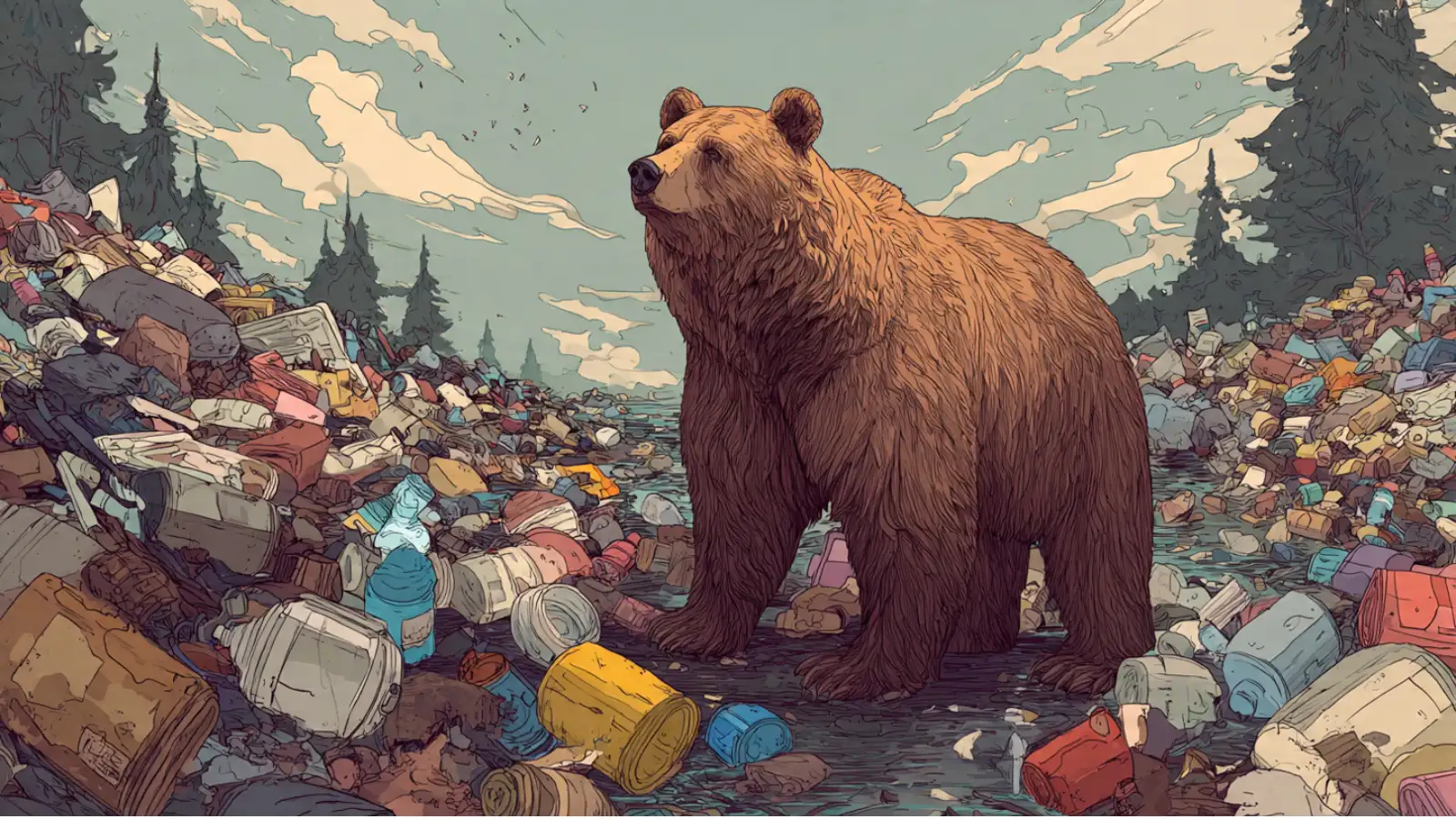
Compared to natural food sources, garbage emits stronger and more concentrated odours, making it easier for bears to locate. This is why areas with poor waste management often face serious wildlife and garbage problem situations.
Easy Access to High-Calorie Food
Bears are opportunistic feeders, meaning they will eat whatever is easiest to find. Bears and human food go hand in hand because discarded food is often rich in calories, fats, and sugars.
Instead of spending hours foraging for berries or hunting, a bear can find a full meal in a single bin. This convenience plays a huge role in shaping bear behaviour explained in urban and suburban environments.
How Bears Learn This Behaviour
Once a bear discovers garbage as a food source, it quickly learns to return. Young bears often pick up this habit by observing older ones.
This learned behaviour can turn into a long-term pattern, increasing urban wildlife issues . Over time, bears may begin to associate humans with food, which can lead to risky encounters.
The Impact on Wildlife and Humans
The growing connection between animals attracted to trash and human settlements creates problems for both sides.
For bears, reliance on garbage can lead to poor nutrition and increased exposure to danger. For humans, it raises safety concerns, including property damage and potential attacks.
In many cases, bears that become too dependent on human food are relocated or even euthanised, highlighting the seriousness of this issue.
Why Natural Food Becomes Less Attractive
When garbage is easily available, bears may ignore their natural diet. This shift explains why animals eat garbage even when wild food exists.
Seasonal shortages of natural food can make the problem worse, pushing bears closer to human areas in search of easy meals.
Preventing Bear-Garbage Conflicts
Reducing why bears are attracted to garbage starts with better human practices. Here are some simple bear safety tips :
These steps can significantly reduce wildlife and garbage problem situations.
Understanding why bears are attracted to garbage helps us take better action to protect both wildlife and people.
By managing waste responsibly and reducing access to human food, we can minimise urban wildlife issues and ensure bears continue to thrive in their natural habitats where they truly belong.
Compared to natural food sources, garbage emits stronger and more concentrated odours, making it easier for bears to locate. This is why areas with poor waste management often face serious wildlife and garbage problem situations.
Easy Access to High-Calorie Food
Bears are opportunistic feeders, meaning they will eat whatever is easiest to find. Bears and human food go hand in hand because discarded food is often rich in calories, fats, and sugars.Instead of spending hours foraging for berries or hunting, a bear can find a full meal in a single bin. This convenience plays a huge role in shaping bear behaviour explained in urban and suburban environments.
How Bears Learn This Behaviour
Once a bear discovers garbage as a food source, it quickly learns to return. Young bears often pick up this habit by observing older ones.You may also like
- Fashion goals: Genius styling tip to repeat outfits and make them look new every time
- Rants & Roasts: Flight delayed. Expectations cancelled
- A soulful bhajan night arranged by Ambani family makes Anant Ambani's birthday celebration in Jamnagar memorable
- Fenugreek water can be beneficial in grade-1 fatty liver, know its surprising benefits!
- Hot Dog Health Risk: Does eating a hot dog really shorten your lifespan by 36 minutes? Learn the research.
This learned behaviour can turn into a long-term pattern, increasing urban wildlife issues . Over time, bears may begin to associate humans with food, which can lead to risky encounters.
The Impact on Wildlife and Humans
The growing connection between animals attracted to trash and human settlements creates problems for both sides. For bears, reliance on garbage can lead to poor nutrition and increased exposure to danger. For humans, it raises safety concerns, including property damage and potential attacks.
In many cases, bears that become too dependent on human food are relocated or even euthanised, highlighting the seriousness of this issue.
Why Natural Food Becomes Less Attractive
When garbage is easily available, bears may ignore their natural diet. This shift explains why animals eat garbage even when wild food exists. Seasonal shortages of natural food can make the problem worse, pushing bears closer to human areas in search of easy meals.
Preventing Bear-Garbage Conflicts
Reducing why bears are attracted to garbage starts with better human practices. Here are some simple bear safety tips : - Use bear-proof bins with secure lids
- Avoid leaving food waste outside overnight
- Clean bins regularly to reduce odour
- Do not feed wildlife intentionally
- Store food properly when camping
These steps can significantly reduce wildlife and garbage problem situations.
Understanding why bears are attracted to garbage helps us take better action to protect both wildlife and people.
By managing waste responsibly and reducing access to human food, we can minimise urban wildlife issues and ensure bears continue to thrive in their natural habitats where they truly belong.






More from our partners


Loving Newspoint? Download the app now
