
Discover Bhutan's Unique Tourism Policy: How the Himalayan Kingdom Protects Its Culture and Nature

Bhutan has developed a distinctive tourism model that places environmental protection, cultural preservation and responsible travel at the centre of its policies. Unlike destinations that focus mainly on attracting large numbers of visitors, the Himalayan kingdom has traditionally followed a controlled tourism approach. Its aim is to welcome travellers while limiting pressure on local communities, natural resources and cultural heritage. This philosophy has made Bhutan an interesting example of how tourism can support national priorities beyond economic growth. From its sustainable development principles to its visitor fees and protected landscapes, several factors explain why Bhutan's approach to tourism stands apart.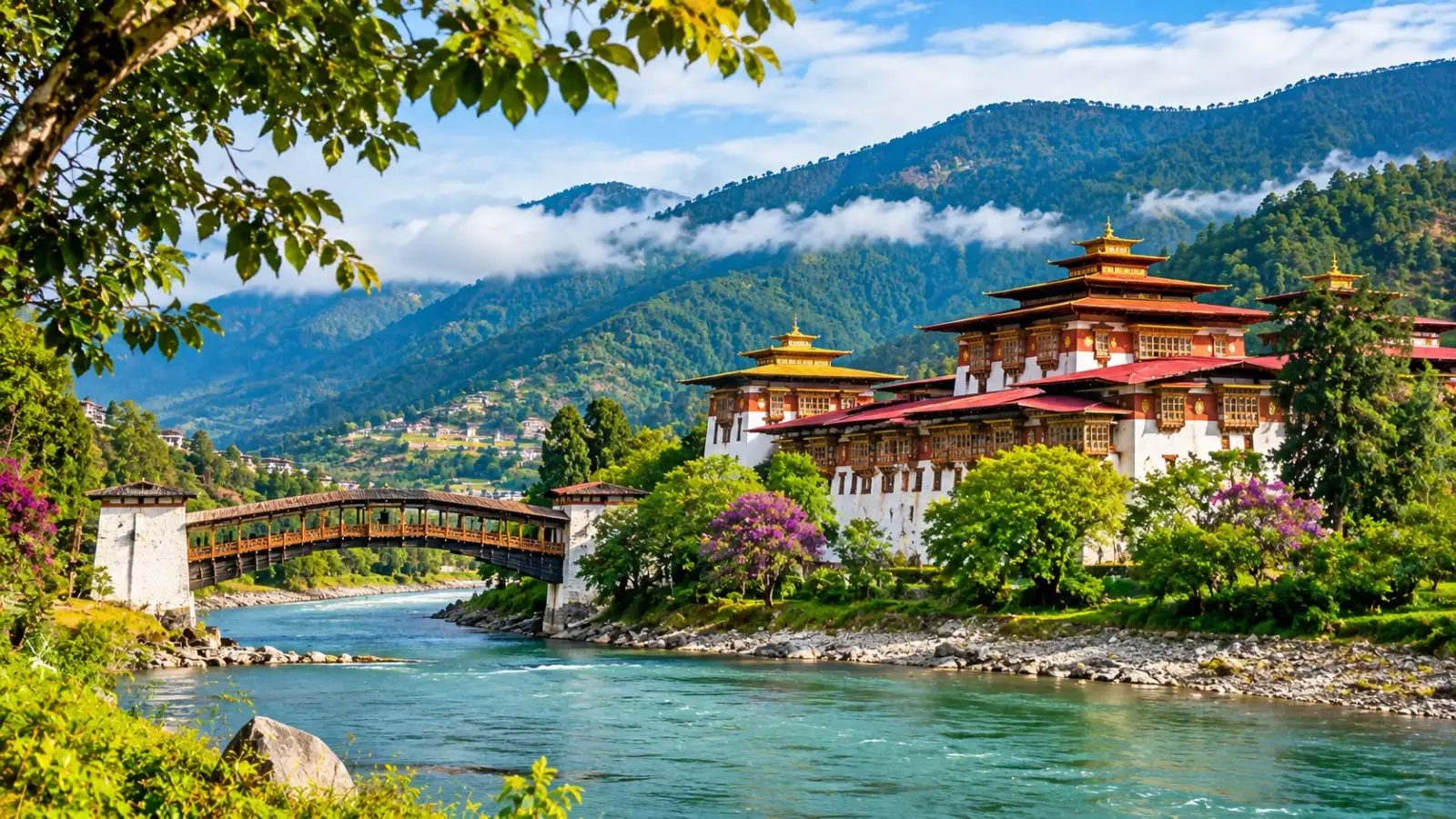
The country seeks to balance tourism revenue with the protection of its natural and cultural heritage. Limiting pressure on popular attractions can help reduce overcrowding and environmental damage.
However, Bhutan's tourism policies have evolved over time, and the country does not operate a simple fixed visitor quota for every traveller.
GNH includes areas such as environmental conservation, cultural preservation, good governance and sustainable socioeconomic development. Tourism policies reflect these priorities by encouraging responsible travel and supporting the country's long-term interests.
This approach gives Bhutan a different identity from destinations where tourism growth is measured mainly through visitor numbers and spending.
International visitors generally pay this daily fee during their stay, with separate rules and rates applying to certain nationalities and travel categories. The revenue is intended to support national development priorities, including environmental conservation, infrastructure, healthcare and other public services.
The fee is an important part of Bhutan's tourism model, although travellers should check the latest official rates and exemptions before booking because policies can change.
This commitment influences how tourism infrastructure and development projects are approached. National parks, protected areas and conservation programmes help safeguard wildlife habitats and natural landscapes.
Visitors can explore destinations such as Phobjikha Valley, Jigme Dorji National Park and the scenic Himalayan regions while experiencing the country's conservation-focused identity.
In towns such as Paro and Thimphu, traditional design elements are visible in buildings, temples and public spaces. Visitors can also experience festivals known as Tshechus, which feature masked dances, music and religious ceremonies.
These cultural experiences allow tourism to support heritage preservation while introducing travellers to Bhutanese traditions.
Travellers can enjoy:
Responsible tourism can also encourage travellers to purchase locally made products, stay in locally operated accommodation and learn about regional traditions.
By spreading tourism benefits across communities, Bhutan aims to make travel more supportive of local livelihoods.
The country's tourism philosophy recognises that uncontrolled growth can put pressure on fragile mountain ecosystems and traditional communities.
This does not mean Bhutan avoids tourism development. Instead, it seeks to manage tourism in a way that supports national priorities and preserves the qualities that make the country attractive to visitors.
Bhutan is known for its unique approach to tourism because it tries to balance visitor experiences with environmental conservation, cultural preservation and community wellbeing. Its Sustainable Development Fee, Gross National Happiness philosophy and focus on responsible travel distinguish it from many conventional tourism models. The country demonstrates that tourism can be planned around broader national priorities rather than visitor numbers alone. For travellers, this approach offers an opportunity to experience a destination where nature, culture and sustainability remain closely connected.
1. The Philosophy of High-Value, Low-Volume Tourism
Bhutan is widely associated with the idea of high-value, low-volume tourism. This approach aims to attract visitors who are interested in meaningful experiences rather than simply increasing tourist numbers.The country seeks to balance tourism revenue with the protection of its natural and cultural heritage. Limiting pressure on popular attractions can help reduce overcrowding and environmental damage.
However, Bhutan's tourism policies have evolved over time, and the country does not operate a simple fixed visitor quota for every traveller.
2. Sustainable Development Is at the Heart of Tourism
Bhutan's development philosophy is closely linked to Gross National Happiness (GNH), a concept that considers wellbeing alongside economic progress.GNH includes areas such as environmental conservation, cultural preservation, good governance and sustainable socioeconomic development. Tourism policies reflect these priorities by encouraging responsible travel and supporting the country's long-term interests.
This approach gives Bhutan a different identity from destinations where tourism growth is measured mainly through visitor numbers and spending.
3. The Sustainable Development Fee for Visitors
One of the most discussed features of Bhutan's tourism system is the Sustainable Development Fee (SDF).International visitors generally pay this daily fee during their stay, with separate rules and rates applying to certain nationalities and travel categories. The revenue is intended to support national development priorities, including environmental conservation, infrastructure, healthcare and other public services.
The fee is an important part of Bhutan's tourism model, although travellers should check the latest official rates and exemptions before booking because policies can change.
4. Protecting Forests and Natural Landscapes
Bhutan is known for its extensive forest cover, mountain ecosystems and commitment to environmental conservation. Its constitution requires the country to maintain at least 60 per cent forest cover for all time.This commitment influences how tourism infrastructure and development projects are approached. National parks, protected areas and conservation programmes help safeguard wildlife habitats and natural landscapes.
Visitors can explore destinations such as Phobjikha Valley, Jigme Dorji National Park and the scenic Himalayan regions while experiencing the country's conservation-focused identity.
5. Preserving Traditional Culture and Architecture
Bhutan's tourism approach also places considerable importance on cultural identity. Traditional architecture, religious festivals, monasteries and local customs remain central to the visitor experience.In towns such as Paro and Thimphu, traditional design elements are visible in buildings, temples and public spaces. Visitors can also experience festivals known as Tshechus, which feature masked dances, music and religious ceremonies.
These cultural experiences allow tourism to support heritage preservation while introducing travellers to Bhutanese traditions.
6. Encouraging Meaningful Travel Experiences
Bhutan offers more than conventional sightseeing. Its tourism experiences often focus on nature, culture, spirituality and outdoor exploration.Travellers can enjoy:
- Hiking through Himalayan valleys and mountain trails.
- Visiting monasteries and traditional villages.
- Exploring historic fortresses known as dzongs.
- Attending cultural festivals and local celebrations.
- Experiencing Bhutanese food, crafts and traditional lifestyles.
You may also like
- 3 tips to reduce cholesterol
- Who Was Devsena? The Goddess Behind Kartikeya's Birth
- No financial worries in your old age! Understand the 'super-combo' of EPF and NPS for a perfect 25-year retirement plan..
- Is seeing Chhath Puja in a dream auspicious or inauspicious? Here are 6 significant signs according to dream interpretation.
- Ginger Storage Tips: Does ginger dry out quickly? A magical way to keep it fresh for up to 1 month.
7. Tourism Supports Local Communities
Tourism can create employment and business opportunities for Bhutanese residents. Hotels, restaurants, transport providers, guides, handicraft sellers and local experience organisers all contribute to the visitor economy.Responsible tourism can also encourage travellers to purchase locally made products, stay in locally operated accommodation and learn about regional traditions.
By spreading tourism benefits across communities, Bhutan aims to make travel more supportive of local livelihoods.
8. A Different Way to Measure Tourism Success
Many popular destinations focus heavily on international arrivals, hotel occupancy and tourism revenue. Bhutan's approach places these economic measures alongside environmental and cultural considerations.The country's tourism philosophy recognises that uncontrolled growth can put pressure on fragile mountain ecosystems and traditional communities.
This does not mean Bhutan avoids tourism development. Instead, it seeks to manage tourism in a way that supports national priorities and preserves the qualities that make the country attractive to visitors.
Bhutan is known for its unique approach to tourism because it tries to balance visitor experiences with environmental conservation, cultural preservation and community wellbeing. Its Sustainable Development Fee, Gross National Happiness philosophy and focus on responsible travel distinguish it from many conventional tourism models. The country demonstrates that tourism can be planned around broader national priorities rather than visitor numbers alone. For travellers, this approach offers an opportunity to experience a destination where nature, culture and sustainability remain closely connected.






Loving Newspoint? Download the app now
