
Why Bihar Beats a Winnowing Basket at 4 AM on Diwali


It is four in the morning in Bihar. The lamps from last night have burned low, the streets are quiet, and then a sharp, rhythmic sound breaks the stillness. Thak, thak, thak. An elder of the house is striking a winnowing basket, the soop, and calling out, “Daridra bhaag ja.” To an outsider it looks strange. To the family, it is a promise. This is a tradition that begins when Diwali night ends, and it carries a meaning far deeper than the noise suggests.
The Hour Before Sunrise
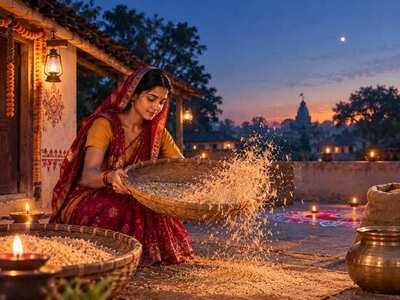
 A quiet Bihar courtyard in the early hours after Diwali night.
The ritual is held in the early morning hours, the time known as Brahma Muhurta, which is considered calm and spiritually pure. It comes right after Laxmi Puja, which families perform on Diwali night to welcome prosperity into the home. The logic is simple and graceful: first invite wealth in, then send poverty out. By choosing the hour before sunrise, families begin the new day with intention. The house is awake, the mind is fresh, and the old year’s burdens feel ready to be left behind with the darkness of the night.
Why a Soop Is Used
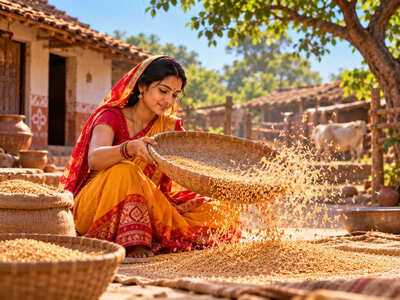 The soop is a traditional tool used to clean grain of husk and stones.
The soop is no ordinary object. In every village kitchen it is used to separate grain from husk and small stones, keeping only what is good. In local belief, it stands for effort and for food itself. That is why it becomes the chosen symbol for this ritual. When elders strike it, they are saying that hard work and grain deserve to stay, while hunger and lack must go. It is a lesson wrapped in a household tool, and anyone who has watched a grandmother winnow rice will understand the idea at once.
The Sound That Wakes the HomeThe stick and the loud beat are the heart of the ritual. The noise is meant to startle negativity and chase it away, much like shooing a stray animal from the doorway. But there is another purpose too. The sound wakes the entire household and sometimes the whole neighbourhood, telling everyone that a new time has begun. It is a shared call to rise, to move and to leave laziness and worry behind. In a quiet village, that single sound travels far and feels like a blessing delivered at the door.
The Chant of Daridra Bhaag Ja“Daridra bhaag ja” means “poverty, go away.” Traditionally, the chant is led by the oldest members, whose voices carry the weight of experience and blessing. When children hear it year after year, it becomes a memory they carry for life. The words are simple, but they are spoken with faith and repeated with confidence. People believe that spoken intention shapes the mood of the home. Even if one sees it only as folk culture, the chant gives families a moment to name their fears aloud and then firmly send them away.
Leaving or Burning the SoopAfter the beating and chanting, the soop and stick are either left outside the village boundary or burned. This step is full of meaning. Casting them out shows that poverty is not to be kept inside the home, and burning them is a symbol of ending it for good. The act is quiet and final, and it closes the ritual with a feeling of release. Practices can differ from place to place and family to family, but the idea stays the same: whatever we send away should not come back with us.
A New Start With Hard WorkThe deepest message of the tradition is not magic but commitment. By sending poverty away, the family also promises to work, save and build a better future. The ritual becomes a yearly reset button, giving everyone fresh energy and shared purpose. It reminds us that prosperity needs both blessings and effort. When the whole household joins in, it also strengthens bonds between generations. Parents, grandparents and children stand together at dawn, united by one hope: that the coming year will be kinder, fuller and brighter than the last.
How to Keep the Tradition AliveIf you wish to carry this tradition forward, start gently. Wake early with your family and explain the meaning to the children before you begin. Let an elder lead the chant so the blessing feels real. Use a clean soop and a stick, and do the ritual safely, especially if you plan to burn them, keeping the fire small and away from anything flammable. Most importantly, add a personal promise. Choose one habit you will build this year, whether saving, learning or serving others. A tradition survives when it is understood, not merely repeated.
Unlock insightful tips and inspiration on personal growth, productivity, and well-being. Stay motivated and updated with the latest at My Life XP.
The Hour Before Sunrise
The ritual is held in the early morning hours, the time known as Brahma Muhurta, which is considered calm and spiritually pure. It comes right after Laxmi Puja, which families perform on Diwali night to welcome prosperity into the home. The logic is simple and graceful: first invite wealth in, then send poverty out. By choosing the hour before sunrise, families begin the new day with intention. The house is awake, the mind is fresh, and the old year’s burdens feel ready to be left behind with the darkness of the night.
Why a Soop Is Used
The soop is no ordinary object. In every village kitchen it is used to separate grain from husk and small stones, keeping only what is good. In local belief, it stands for effort and for food itself. That is why it becomes the chosen symbol for this ritual. When elders strike it, they are saying that hard work and grain deserve to stay, while hunger and lack must go. It is a lesson wrapped in a household tool, and anyone who has watched a grandmother winnow rice will understand the idea at once.
The Sound That Wakes the HomeThe stick and the loud beat are the heart of the ritual. The noise is meant to startle negativity and chase it away, much like shooing a stray animal from the doorway. But there is another purpose too. The sound wakes the entire household and sometimes the whole neighbourhood, telling everyone that a new time has begun. It is a shared call to rise, to move and to leave laziness and worry behind. In a quiet village, that single sound travels far and feels like a blessing delivered at the door.
The Chant of Daridra Bhaag Ja“Daridra bhaag ja” means “poverty, go away.” Traditionally, the chant is led by the oldest members, whose voices carry the weight of experience and blessing. When children hear it year after year, it becomes a memory they carry for life. The words are simple, but they are spoken with faith and repeated with confidence. People believe that spoken intention shapes the mood of the home. Even if one sees it only as folk culture, the chant gives families a moment to name their fears aloud and then firmly send them away.
Leaving or Burning the SoopAfter the beating and chanting, the soop and stick are either left outside the village boundary or burned. This step is full of meaning. Casting them out shows that poverty is not to be kept inside the home, and burning them is a symbol of ending it for good. The act is quiet and final, and it closes the ritual with a feeling of release. Practices can differ from place to place and family to family, but the idea stays the same: whatever we send away should not come back with us.
A New Start With Hard WorkThe deepest message of the tradition is not magic but commitment. By sending poverty away, the family also promises to work, save and build a better future. The ritual becomes a yearly reset button, giving everyone fresh energy and shared purpose. It reminds us that prosperity needs both blessings and effort. When the whole household joins in, it also strengthens bonds between generations. Parents, grandparents and children stand together at dawn, united by one hope: that the coming year will be kinder, fuller and brighter than the last.
How to Keep the Tradition AliveIf you wish to carry this tradition forward, start gently. Wake early with your family and explain the meaning to the children before you begin. Let an elder lead the chant so the blessing feels real. Use a clean soop and a stick, and do the ritual safely, especially if you plan to burn them, keeping the fire small and away from anything flammable. Most importantly, add a personal promise. Choose one habit you will build this year, whether saving, learning or serving others. A tradition survives when it is understood, not merely repeated.
Unlock insightful tips and inspiration on personal growth, productivity, and well-being. Stay motivated and updated with the latest at My Life XP.
Next Story