
Why Do Some Birds Change Colour With the Seasons?

Birds are known for their colourful feathers, but have you ever wondered why some species look different at different times of the year? A bird that appears bright and colourful during the breeding season may develop duller feathers in winter. Others change from brown to white as their surroundings become covered in snow.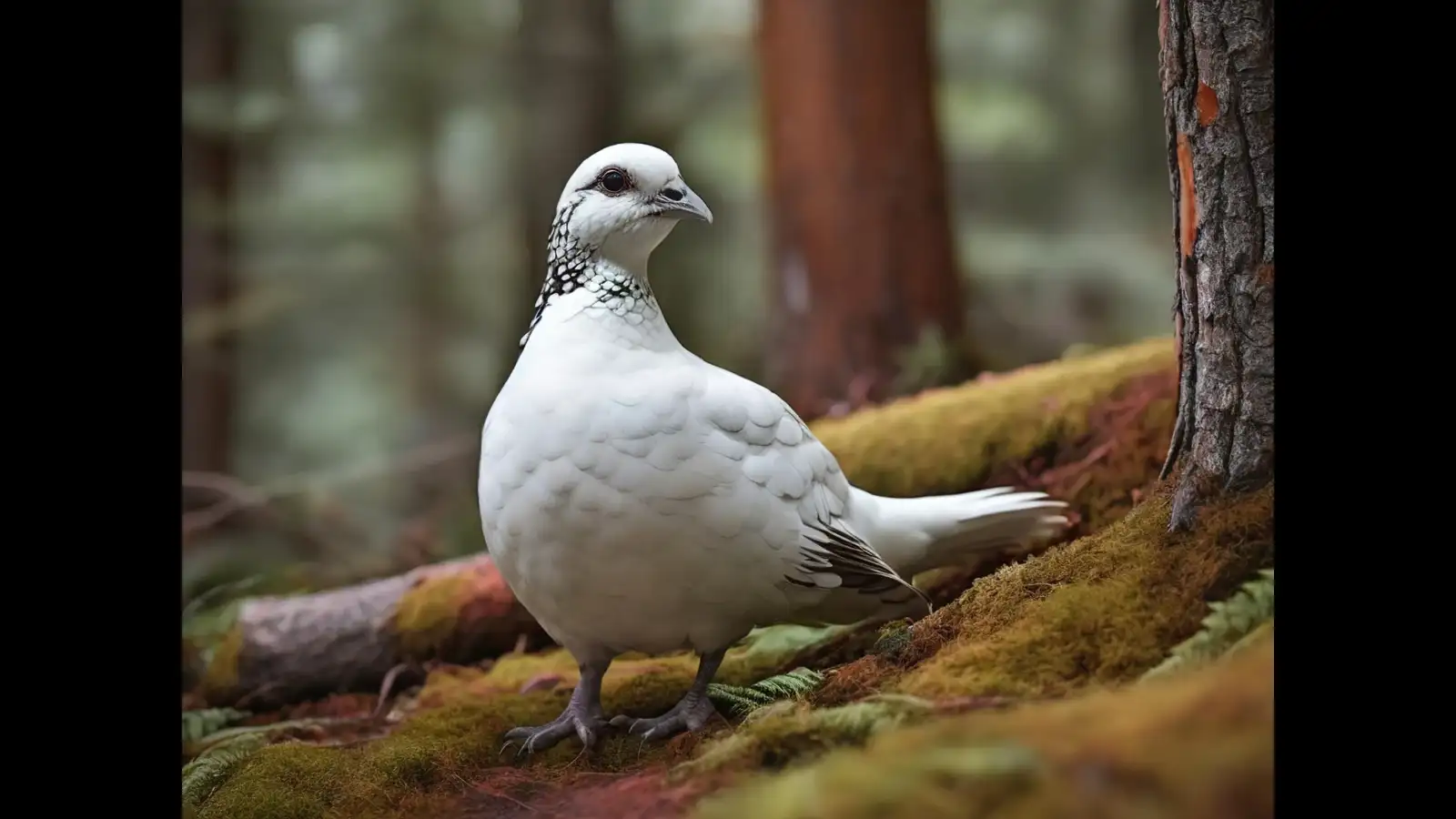
These changes are not simply a matter of appearance. Seasonal colour changes can help birds attract mates, avoid predators and adapt to changing environmental conditions. However, not all birds change colour with the seasons, and the reasons behind these changes vary from one species to another.
The male American goldfinch is a familiar example. During the breeding season, it develops bright yellow plumage with contrasting black markings. Outside this period, its feathers become much duller, helping it blend more easily into its surroundings.
These changes are linked to the bird's moult, the natural process of replacing old feathers with new ones. Seasonal plumage can communicate information about a bird's condition and reproductive readiness, although the importance of colour varies across species.
The ptarmigan, a ground-dwelling bird found in cold northern regions, is a good example. Depending on the species, its plumage can change from brown or grey tones in summer to predominantly white in winter. This helps it blend into rocky or snow-covered landscapes.
Such seasonal camouflage can reduce the risk of being detected by predators. It can also help birds that hunt or forage remain less noticeable to their prey.
However, this strategy works best when the timing of the colour change matches local conditions. If snow arrives late or melts early, a white bird against a dark background may become more visible.
When new feathers grow, they may have different colours or patterns from the previous set. This can make a bird look noticeably different even though its underlying body colour has not changed.
The American goldfinch and indigo bunting are examples of birds whose appearance varies with seasonal plumage. In some species, the difference between breeding and non-breeding feathers is particularly striking.
For species that change colour to match their surroundings, this timing is particularly important. The willow ptarmigan, for example, develops white winter plumage that provides camouflage in snowy habitats and changes to browner plumage during the snow-free months.
However, the timing of moulting differs between species and depends on several factors. Temperature, habitat and local weather conditions can also affect how well a bird's plumage matches its environment.
The snow bunting provides an interesting example. Its feathers can have pale or buff-coloured tips that wear away, revealing darker markings beneath. As a result, its plumage may look different as the breeding season approaches, even without every visible feather being replaced at that moment.
This process shows why observing birds at different times of the year can sometimes be misleading. A change in appearance does not always mean the bird has grown entirely new feathers.
In some species, males and females look different throughout the year. In others, young birds have different plumage from adults and gradually acquire their adult appearance as they mature.
The extent of seasonal colour change depends on the species, its breeding behaviour, habitat and evolutionary history. Some birds undergo dramatic changes, while others show only subtle differences that are difficult to notice without close observation.
For birds living in snowy regions, changing to white plumage can be especially useful. However, when snow cover becomes unpredictable, their seasonal camouflage may no longer match the landscape as effectively. Research has identified this mismatch as a potential challenge for species that rely on winter-white plumage.
Ultimately, the colours of a bird's feathers reflect a combination of biology, behaviour and environmental adaptation. The next time you notice a bird looking different from how it appeared a few months earlier, remember that its changing appearance may be part of a natural cycle that helps it navigate the demands of different seasons.
These changes are not simply a matter of appearance. Seasonal colour changes can help birds attract mates, avoid predators and adapt to changing environmental conditions. However, not all birds change colour with the seasons, and the reasons behind these changes vary from one species to another.
1. To Attract Mates During the Breeding Season
For some bird species, bright plumage plays an important role in attracting a mate. During the breeding season, males may develop more vivid colours or acquire distinctive feathers that make them more noticeable to females.The male American goldfinch is a familiar example. During the breeding season, it develops bright yellow plumage with contrasting black markings. Outside this period, its feathers become much duller, helping it blend more easily into its surroundings.
These changes are linked to the bird's moult, the natural process of replacing old feathers with new ones. Seasonal plumage can communicate information about a bird's condition and reproductive readiness, although the importance of colour varies across species.
2. To Blend In With Their Surroundings
Camouflage is another important reason some birds change their appearance throughout the year. Feathers that help a bird remain inconspicuous in one season may make it easier to spot in another.The ptarmigan, a ground-dwelling bird found in cold northern regions, is a good example. Depending on the species, its plumage can change from brown or grey tones in summer to predominantly white in winter. This helps it blend into rocky or snow-covered landscapes.
Such seasonal camouflage can reduce the risk of being detected by predators. It can also help birds that hunt or forage remain less noticeable to their prey.
However, this strategy works best when the timing of the colour change matches local conditions. If snow arrives late or melts early, a white bird against a dark background may become more visible.
3. Because of Natural Changes in Their Feathers
One of the main reasons birds appear to change colour is moulting. This is a natural process in which birds shed old feathers and grow new ones. Feathers gradually become worn through flying, exposure to sunlight and everyday activities, so replacing them helps maintain healthy plumage.When new feathers grow, they may have different colours or patterns from the previous set. This can make a bird look noticeably different even though its underlying body colour has not changed.
The American goldfinch and indigo bunting are examples of birds whose appearance varies with seasonal plumage. In some species, the difference between breeding and non-breeding feathers is particularly striking.
4. To Adapt to Changing Environmental Conditions
Seasonal changes in daylight influence many aspects of a bird's life, including breeding, migration and moulting. The length of the day provides an important environmental cue that helps birds time these activities.For species that change colour to match their surroundings, this timing is particularly important. The willow ptarmigan, for example, develops white winter plumage that provides camouflage in snowy habitats and changes to browner plumage during the snow-free months.
However, the timing of moulting differs between species and depends on several factors. Temperature, habitat and local weather conditions can also affect how well a bird's plumage matches its environment.
5. Why Do Some Birds Look Different Without Changing Their Feathers?
Not every seasonal change in a bird's appearance involves growing a completely new set of feathers. In certain species, the tips of the feathers wear away over time, exposing colours that were already present underneath.The snow bunting provides an interesting example. Its feathers can have pale or buff-coloured tips that wear away, revealing darker markings beneath. As a result, its plumage may look different as the breeding season approaches, even without every visible feather being replaced at that moment.
This process shows why observing birds at different times of the year can sometimes be misleading. A change in appearance does not always mean the bird has grown entirely new feathers.
6. Do All Birds Change Colour With the Seasons?
No. Seasonal colour changes are not universal among birds. Many species retain broadly similar plumage throughout the year, although their feathers still undergo regular moulting.In some species, males and females look different throughout the year. In others, young birds have different plumage from adults and gradually acquire their adult appearance as they mature.
The extent of seasonal colour change depends on the species, its breeding behaviour, habitat and evolutionary history. Some birds undergo dramatic changes, while others show only subtle differences that are difficult to notice without close observation.
How Seasonal Colour Changes Help Birds Survive
Seasonal plumage is more than a visual transformation. It can help birds balance the need to attract mates with the need to avoid predators. Bright breeding feathers may make some birds more attractive to potential mates, while subdued colours can offer better camouflage during other parts of the year.For birds living in snowy regions, changing to white plumage can be especially useful. However, when snow cover becomes unpredictable, their seasonal camouflage may no longer match the landscape as effectively. Research has identified this mismatch as a potential challenge for species that rely on winter-white plumage.
Ultimately, the colours of a bird's feathers reflect a combination of biology, behaviour and environmental adaptation. The next time you notice a bird looking different from how it appeared a few months earlier, remember that its changing appearance may be part of a natural cycle that helps it navigate the demands of different seasons.
Next Story