
Why Birds Chirp At Night: Midnight Birdsong Explained

For many, birdsong is a gentle alarm clock that signals the start of a new day. But what happens when those melodies break the silence of the night? The phenomenon of birds chirping at night is more common than you might think, especially in urban areas, and it has intriguing explanations rooted in biology and environment.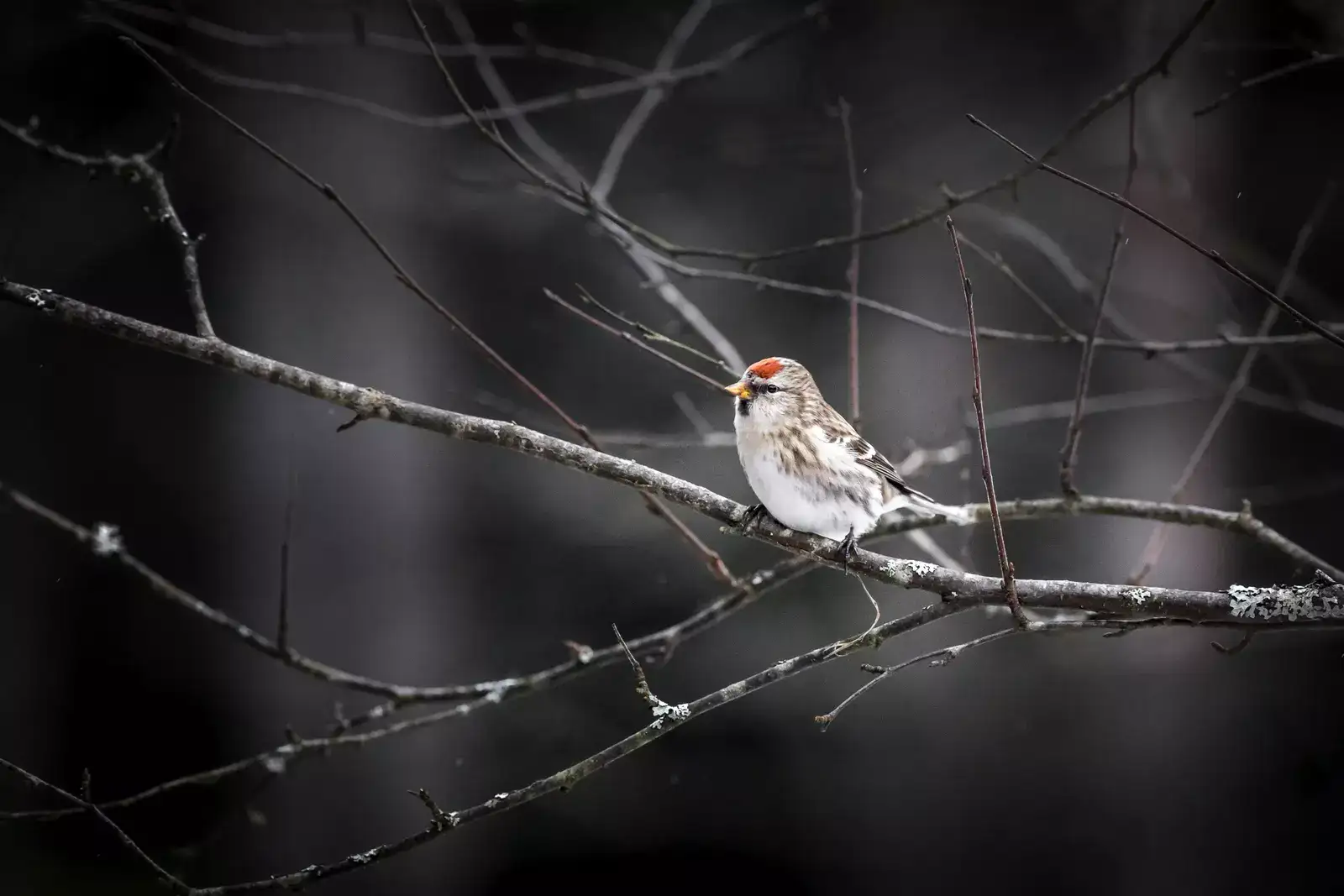
One of the main reasons for night-time bird chirping is artificial light. In cities, streetlights and illuminated buildings can confuse birds’ internal clocks, making them believe it is dawn. This disruption in their natural circadian rhythm leads to early or even midnight singing, particularly among species like robins and blackbirds.
Another factor is territorial behaviour. Male birds often sing to establish and defend their territory or to attract mates. During quieter night hours, their calls travel farther without daytime noise interference. This makes night-time an effective window for communication, especially during breeding seasons.
Read More: Cruise Ship Motion Explained: Why They Stay Calm In Waves
Seasonal changes also play a role. During spring and early summer, when birds are most active in mating and nesting, the frequency of birds singing at night increases. The extended daylight hours and heightened hormonal activity drive them to vocalise more, even beyond their usual daytime patterns.
Noise pollution during the day is another trigger. In bustling urban environments, daytime sounds such as traffic and construction can drown out birdsong. As a result, some birds adapt by shifting their singing to quieter hours at night when their calls can be heard more clearly.
Interestingly, not all nocturnal chirping is unusual. Certain species, such as nightingales, are naturally active after sunset. Their melodious calls are part of their normal behaviour and have long been admired in literature and culture.
While hearing birds at night might feel surprising, it’s a reminder of how wildlife adapts to changing surroundings. From artificial lighting to urban noise, human environments are reshaping natural behaviours in subtle ways. So, the next time you hear midnight bird songs, consider it a glimpse into nature’s resilience and adaptability even while you sleep.
One of the main reasons for night-time bird chirping is artificial light. In cities, streetlights and illuminated buildings can confuse birds’ internal clocks, making them believe it is dawn. This disruption in their natural circadian rhythm leads to early or even midnight singing, particularly among species like robins and blackbirds.
Another factor is territorial behaviour. Male birds often sing to establish and defend their territory or to attract mates. During quieter night hours, their calls travel farther without daytime noise interference. This makes night-time an effective window for communication, especially during breeding seasons.
Read More: Cruise Ship Motion Explained: Why They Stay Calm In Waves
Seasonal changes also play a role. During spring and early summer, when birds are most active in mating and nesting, the frequency of birds singing at night increases. The extended daylight hours and heightened hormonal activity drive them to vocalise more, even beyond their usual daytime patterns.
Noise pollution during the day is another trigger. In bustling urban environments, daytime sounds such as traffic and construction can drown out birdsong. As a result, some birds adapt by shifting their singing to quieter hours at night when their calls can be heard more clearly.
Interestingly, not all nocturnal chirping is unusual. Certain species, such as nightingales, are naturally active after sunset. Their melodious calls are part of their normal behaviour and have long been admired in literature and culture.
While hearing birds at night might feel surprising, it’s a reminder of how wildlife adapts to changing surroundings. From artificial lighting to urban noise, human environments are reshaping natural behaviours in subtle ways. So, the next time you hear midnight bird songs, consider it a glimpse into nature’s resilience and adaptability even while you sleep.
Next Story