
Why Do Some Birds Collect Shiny Objects for Their Nests? The Fascinating Science Behind This Behaviour

Birds are known for building nests using twigs, leaves, grass and feathers, but some species display a rather unusual habit. They collect shiny objects such as metallic scraps, colourful pieces of plastic, glass fragments and even small discarded items. This behaviour has fascinated birdwatchers and researchers for generations. While it may appear that these birds simply enjoy glittering things, their reasons can be more complex. In some cases, collecting objects is connected to courtship, territorial displays or curiosity. Understanding this behaviour reveals how birds interact with their surroundings and use visual signals.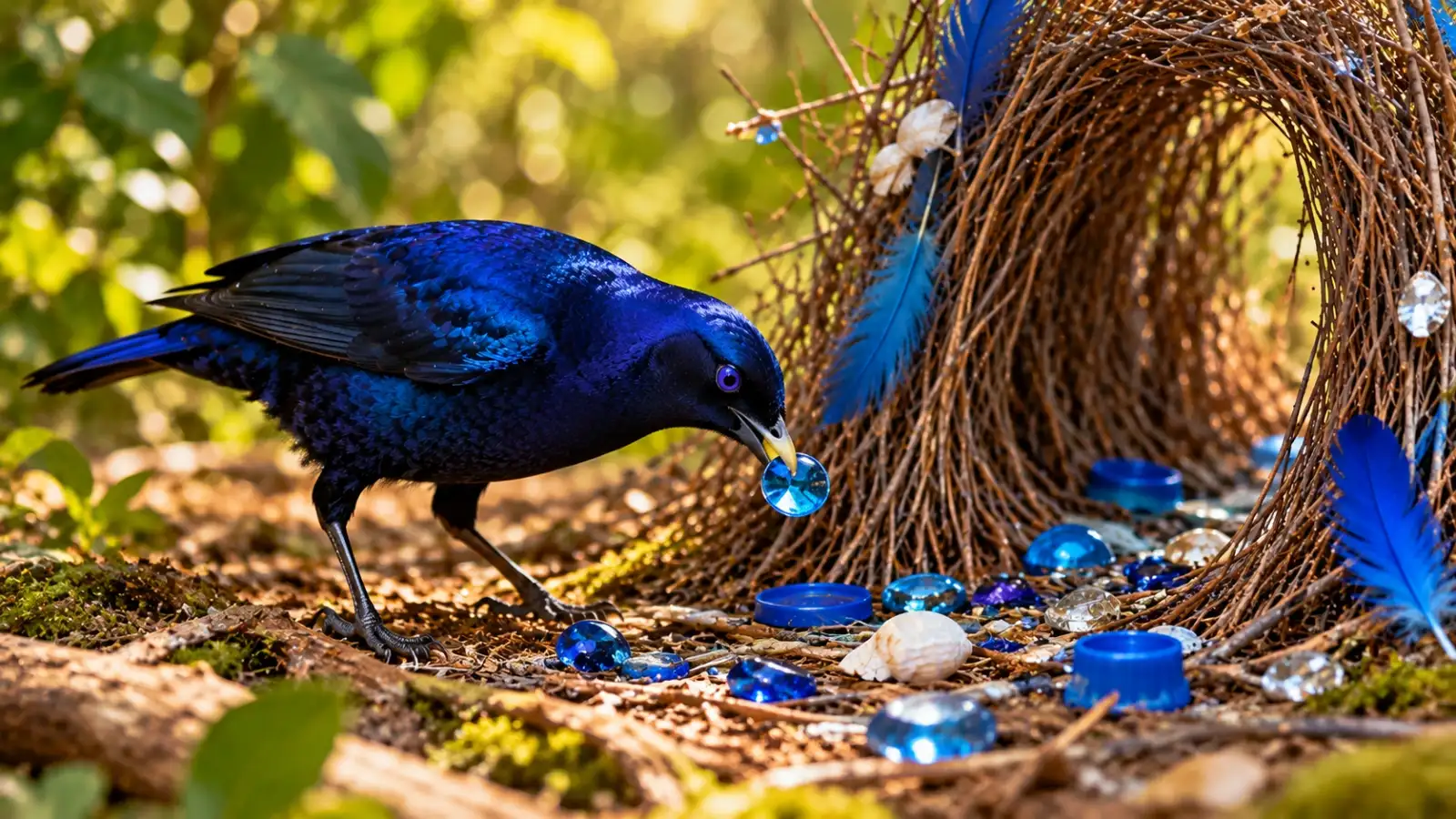
Magpies, for example, have a reputation for collecting shiny objects. However, research suggests that their attraction is not as straightforward as popular stories often suggest. Some magpies may actually show caution towards unfamiliar objects rather than immediately picking them up.
The behaviour varies between species and individual birds, so not every bird that encounters something shiny will collect it.
Male bowerbirds build structures called bowers using sticks and arrange colourful objects around them. These decorations can include berries, flowers, shells, feathers and occasionally human-made items such as plastic pieces.
The purpose is not to create a nest for raising chicks. Instead, the bower acts as a display area where males attempt to attract females. The arrangement, colour and condition of the decorations can influence how impressive the display appears.
Male bowerbirds may spend considerable time selecting and positioning decorative materials. Their displays can communicate fitness, coordination and the ability to maintain an attractive courtship structure.
Some species even show preferences for particular colours. Satin bowerbirds, for instance, are known for their attraction to blue objects, which can include naturally occurring materials as well as human-made items.
This behaviour demonstrates that collecting objects can serve a specific biological purpose rather than simply reflecting an attraction to sparkle.
Although magpies are often portrayed as enthusiastic collectors of jewellery and coins, scientific observations do not support the idea that all magpies have a strong preference for shiny objects.
Some individuals may investigate unusual materials, particularly when they are unfamiliar. Others may pick up objects for reasons related to food searching, play or nest construction.
Their behaviour is influenced by experience, environment and individual differences.
Some birds may incorporate unusual human-made materials into their nests, including bits of plastic, foil or wire. However, this does not necessarily mean they selected these objects because they shine.
In many cases, the material may simply be available nearby or resemble something the bird naturally uses for construction.
Curious birds may investigate or collect these materials, particularly when they resemble natural nesting or decorative items.
Unfortunately, not all such objects are safe. Plastic threads, fishing lines, sharp metal pieces and synthetic fibres can become tangled around birds or their chicks. They may also cause injuries or interfere with normal nesting behaviour.
Birds are generally better supported by a safe habitat with native plants, clean water and suitable natural nesting materials. Keeping gardens free from litter also reduces the risk of accidental injury.
If you enjoy observing birds, a quiet feeding-free observation area with native vegetation can attract wildlife without encouraging them to collect potentially dangerous objects.
The habit of collecting shiny objects is not shared by all birds, and it does not always have the same explanation. For bowerbirds, decorative objects play an important role in courtship, while other species may investigate unfamiliar materials out of curiosity or use available items for nesting. Popular stories about magpies collecting jewellery have also been exaggerated. These behaviours show how adaptable birds can be, but they also highlight the importance of keeping human-made waste away from natural habitats.
1. The Attraction Towards Shiny Objects
Certain birds appear particularly interested in objects that reflect light. Their attraction may be linked to curiosity, visual stimulation or the novelty of unfamiliar materials.Magpies, for example, have a reputation for collecting shiny objects. However, research suggests that their attraction is not as straightforward as popular stories often suggest. Some magpies may actually show caution towards unfamiliar objects rather than immediately picking them up.
The behaviour varies between species and individual birds, so not every bird that encounters something shiny will collect it.
2. Bowerbirds Use Decorative Objects to Attract Mates
One of the best-known examples of decorative collecting behaviour comes from bowerbirds, particularly the satin bowerbird of Australia.Male bowerbirds build structures called bowers using sticks and arrange colourful objects around them. These decorations can include berries, flowers, shells, feathers and occasionally human-made items such as plastic pieces.
The purpose is not to create a nest for raising chicks. Instead, the bower acts as a display area where males attempt to attract females. The arrangement, colour and condition of the decorations can influence how impressive the display appears.
3. The Role of Courtship and Mating Displays
For some bird species, collecting and arranging objects is closely connected to reproduction.Male bowerbirds may spend considerable time selecting and positioning decorative materials. Their displays can communicate fitness, coordination and the ability to maintain an attractive courtship structure.
Some species even show preferences for particular colours. Satin bowerbirds, for instance, are known for their attraction to blue objects, which can include naturally occurring materials as well as human-made items.
This behaviour demonstrates that collecting objects can serve a specific biological purpose rather than simply reflecting an attraction to sparkle.
4. Why Do Magpies Collect Unusual Objects?
Magpies belong to the corvid family, which also includes crows and ravens. These birds are known for their intelligence, problem-solving abilities and curiosity.Although magpies are often portrayed as enthusiastic collectors of jewellery and coins, scientific observations do not support the idea that all magpies have a strong preference for shiny objects.
Some individuals may investigate unusual materials, particularly when they are unfamiliar. Others may pick up objects for reasons related to food searching, play or nest construction.
Their behaviour is influenced by experience, environment and individual differences.
5. Are Shiny Objects Used to Build Nests?
Birds use a wide range of materials when constructing nests. Depending on the species, these may include twigs, moss, grass, feathers, mud, bark and plant fibres.Some birds may incorporate unusual human-made materials into their nests, including bits of plastic, foil or wire. However, this does not necessarily mean they selected these objects because they shine.
In many cases, the material may simply be available nearby or resemble something the bird naturally uses for construction.
6. How Human Activity Influences This Behaviour
Modern environments have introduced birds to materials that would not normally occur in their natural habitats. Plastic packaging, metallic wrappers, glass fragments and other discarded objects are now common in many urban and rural areas.Curious birds may investigate or collect these materials, particularly when they resemble natural nesting or decorative items.
Unfortunately, not all such objects are safe. Plastic threads, fishing lines, sharp metal pieces and synthetic fibres can become tangled around birds or their chicks. They may also cause injuries or interfere with normal nesting behaviour.
7. Should You Leave Shiny Objects for Birds?
Although watching birds interact with unusual objects can be interesting, deliberately leaving metallic or plastic items outdoors is not recommended.Birds are generally better supported by a safe habitat with native plants, clean water and suitable natural nesting materials. Keeping gardens free from litter also reduces the risk of accidental injury.
If you enjoy observing birds, a quiet feeding-free observation area with native vegetation can attract wildlife without encouraging them to collect potentially dangerous objects.
The habit of collecting shiny objects is not shared by all birds, and it does not always have the same explanation. For bowerbirds, decorative objects play an important role in courtship, while other species may investigate unfamiliar materials out of curiosity or use available items for nesting. Popular stories about magpies collecting jewellery have also been exaggerated. These behaviours show how adaptable birds can be, but they also highlight the importance of keeping human-made waste away from natural habitats.
Next Story