
Why Do Birds Suddenly Fly Together in Huge Groups? The Science Behind Murmurations

Have you ever looked up at the sky and seen hundreds or even thousands of birds suddenly flying together, twisting, turning and changing direction almost like a single creature?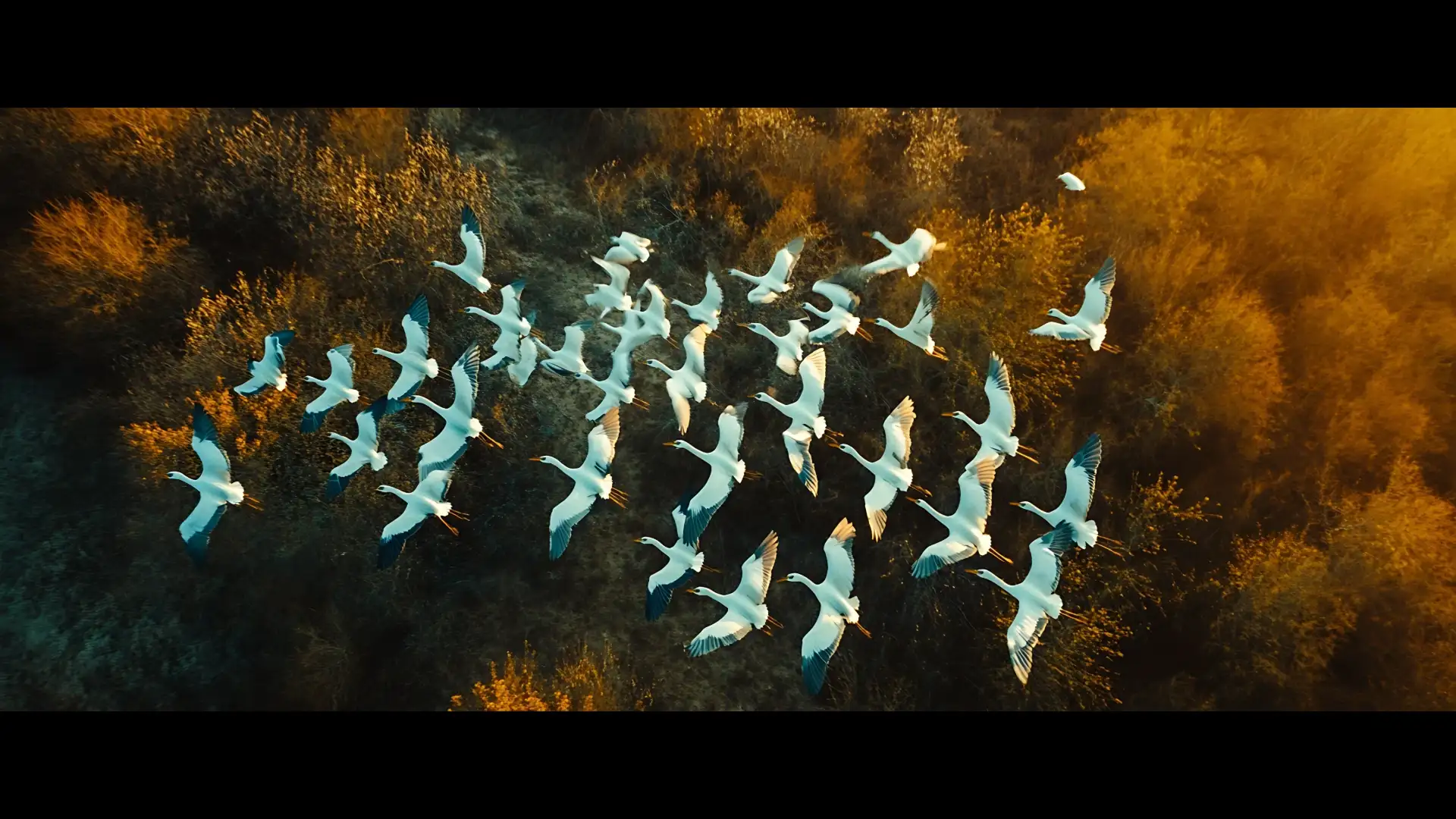
This spectacular sight is known as a murmuration, and it is one of nature's most fascinating displays. While it may look carefully choreographed, there is no single bird acting as the leader. Instead, the entire group moves through a simple but highly effective system of coordination.
From the ground, these movements can appear almost impossible to predict. Yet the birds are not following a complicated plan. Their behaviour emerges from how individual birds respond to the movements of nearby birds.
If one bird suddenly changes direction, nearby birds react almost immediately. Those birds influence others, creating a wave of movement that can travel rapidly through the flock.
Scientists often describe this as a form of self-organisation. There is no central controller giving instructions. Instead, thousands of individual decisions combine to create one remarkable group movement.
A large flock can make it harder for a predator to focus on one individual. When hundreds of birds move rapidly in changing patterns, a predator may struggle to single out a target.
Flocking can also provide social benefits. Birds can share information about feeding areas and suitable places to rest. For some species, gathering in large numbers can also help them find mates and stay connected with other members of their group.
A flock can appear to turn all at once, but the movement often begins with individual birds reacting to nearby neighbours. As more birds respond, the change spreads rapidly across the group.
The result is a spectacular ripple effect. What looks like one giant bird making a decision is actually thousands of birds making tiny decisions in response to one another.
A murmuration does not require one bird to command the others. Each bird generally follows simple rules involving its neighbours, such as maintaining a suitable distance and matching their direction and speed.
This means an enormous flock can behave as though it has one collective mind, even though there is no single leader controlling it.
The gathering can create a dramatic aerial display as birds arrive, join the flock and respond to movements around them. Eventually, the flock settles at its roosting location.
Each bird only needs to respond to what is happening around it. Yet when thousands of birds do this simultaneously, they create constantly changing patterns that can look almost choreographed.
There is no conductor, no rehearsal and no fixed routine. Just thousands of birds responding to one another in real time.
That is what makes a murmuration so extraordinary: the spectacular movement of the whole flock begins with the tiny decisions of individual birds.
Disclaimer:This article is for general informational purposes and is based on commonly known scientific explanations of bird flocking behaviour .
This spectacular sight is known as a murmuration, and it is one of nature's most fascinating displays. While it may look carefully choreographed, there is no single bird acting as the leader. Instead, the entire group moves through a simple but highly effective system of coordination.
What Is a Bird Murmuration ?
A murmuration is a large flock of birds, particularly starlings, moving together in coordinated patterns. The flock can suddenly expand, contract, turn or change shape within seconds.From the ground, these movements can appear almost impossible to predict. Yet the birds are not following a complicated plan. Their behaviour emerges from how individual birds respond to the movements of nearby birds.
How Do So Many Birds Move Together?
Birds in a flock constantly watch their neighbours. Each bird makes small adjustments to its speed and direction based on what the birds around it are doing.If one bird suddenly changes direction, nearby birds react almost immediately. Those birds influence others, creating a wave of movement that can travel rapidly through the flock.
Scientists often describe this as a form of self-organisation. There is no central controller giving instructions. Instead, thousands of individual decisions combine to create one remarkable group movement.
Why Do Birds Form Huge Flocks?
One important reason is safety.A large flock can make it harder for a predator to focus on one individual. When hundreds of birds move rapidly in changing patterns, a predator may struggle to single out a target.
Flocking can also provide social benefits. Birds can share information about feeding areas and suitable places to rest. For some species, gathering in large numbers can also help them find mates and stay connected with other members of their group.
Why Do They Suddenly Change Direction?
This is perhaps the most mysterious-looking part of a murmuration.A flock can appear to turn all at once, but the movement often begins with individual birds reacting to nearby neighbours. As more birds respond, the change spreads rapidly across the group.
The result is a spectacular ripple effect. What looks like one giant bird making a decision is actually thousands of birds making tiny decisions in response to one another.
Do Birds Have a Leader?
Not necessarily.You may also like
- Woman suddenly starts screaming and crying inside theatre as Hanuman Chalisa plays during 'Hanuman Ansh'; watch
- 6 Small plants that can bring in positivity and good luck
- Beyond Cholesterol: 5 Hidden Risk Factors That Drive Heart Attacks and Why Normal Reports Aren't Enough
- 5 topics to make your Teacher's Day speech on September 5 memorable, meaningful, and fun
- Benefits of Applying Ghee to Roti: Ayurvedic Practice Improves Digestion, Blood Sugar, and Bone Strength
A murmuration does not require one bird to command the others. Each bird generally follows simple rules involving its neighbours, such as maintaining a suitable distance and matching their direction and speed.
This means an enormous flock can behave as though it has one collective mind, even though there is no single leader controlling it.
Why Are Murmurations More Common Around Sunset?
Large gatherings are particularly noticeable around roosting time, when many birds come together before settling down for the night.The gathering can create a dramatic aerial display as birds arrive, join the flock and respond to movements around them. Eventually, the flock settles at its roosting location.
Nature's Incredible Group Intelligence
Bird murmurations are a powerful example of how complex behaviour can emerge from simple individual actions.Each bird only needs to respond to what is happening around it. Yet when thousands of birds do this simultaneously, they create constantly changing patterns that can look almost choreographed.
There is no conductor, no rehearsal and no fixed routine. Just thousands of birds responding to one another in real time.
That is what makes a murmuration so extraordinary: the spectacular movement of the whole flock begins with the tiny decisions of individual birds.
Disclaimer:This article is for general informational purposes and is based on commonly known scientific explanations of bird flocking behaviour .






Loving Newspoint? Download the app now
