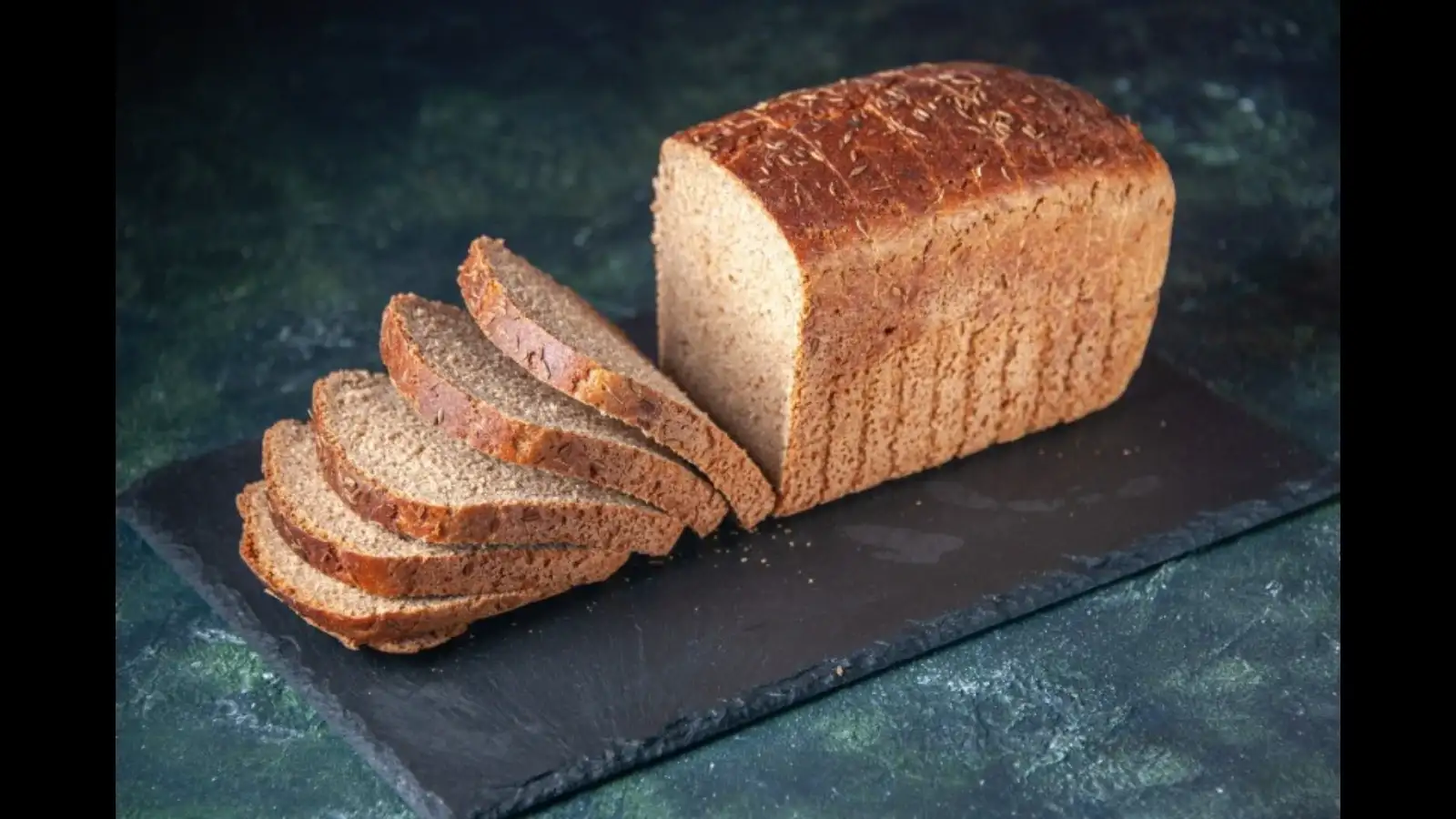
Fresh bread is soft, springy and pleasant to eat. Leave it for a day or two, however, and that familiar softness can disappear. The bread may become dry, firm and crumbly, making it seem as though all its moisture has simply vanished.But staling is more complicated than just bread drying out. In fact, one of the main reasons bread becomes hard is a change in the structure of its starch.It Is Not Just About Losing WaterWhen bread is freshly baked, heat causes the starch in flour to absorb water and swell. This process, known as gelatinisation, helps give freshly baked bread its soft and flexible texture.As the bread cools, the starch remains in a structure that contributes to its softness. Over time, however, the starch molecules begin to rearrange themselves into a more ordered form.This process is called retrogradation and is one of the key reasons bread becomes firm as it ages.What Happens to the Starch?Bread contains two main types of starch molecules, amylose and amylopectin. After baking, these molecules are in a swollen, less organised state.As bread sits, particularly at room temperature, some of these molecules gradually realign and form more ordered structures. This makes the crumb firmer and less soft.Amylopectin retrogradation is particularly important in the firming of bread during storage.So, Does Bread Actually Lose Moisture?Some moisture can certainly escape from bread, especially if it is left exposed to air. This can make the bread feel dry.However, bread staling is not simply a case of water disappearing.Moisture also moves around inside the bread. Water can shift between different components, including starch and gluten. As the starch changes structure, some of the water associated with it can become less available in the way it was when the bread was fresh.That is why bread can become noticeably firm even when it still contains a significant amount of water.Why Does the Crust Change Too?The crust behaves differently from the soft interior, or crumb.Freshly baked bread has a relatively crisp crust because much of its surface moisture is lost during baking. Once the bread is stored, moisture from the crumb can migrate towards the crust.As a result, the crust can lose some of its crispness and become softer.At the same time, the crumb becomes firmer because of starch retrogradation and other changes occurring during storage.Why Does Bread Stale Faster in the Fridge?Putting bread in the refrigerator may seem like a good way to keep it fresh for longer, but it can actually make ordinary bread stale more quickly.The temperatures found in a typical refrigerator encourage the crystallisation and rearrangement of starch, particularly amylopectin. This can accelerate the firming of the crumb.Refrigeration can slow mould growth, but it is not generally the best way to preserve the soft texture of bread.Why Does Toasting Make Stale Bread Taste Better?Toasting cannot reverse the staling process, but it can make older bread more enjoyable.Heat drives off some surface moisture and creates a crisp exterior. It also triggers browning reactions that produce the familiar toasted flavour and aroma.That combination of crisp texture and stronger flavour can make stale bread seem much more appetising.Can Stale Bread Be Softened Again?Sometimes, yes, at least temporarily.Heating bread can soften the crumb because heat changes how water interacts with the starch. This is why reheating older bread can make it feel softer for a short time.However, once it cools again, the starch can continue to reorganise, so the softness may not last.What Is the Best Way to Store Bread?For bread that you plan to eat within a few days, keeping it properly sealed at room temperature can help limit moisture loss and maintain its texture.If you need to store bread for a longer period, freezing is generally more effective than refrigeration for preserving its fresh-like quality. Freezing slows the molecular changes responsible for staling, while allowing the bread to be stored for much longer.The Science Behind a Stale SliceSo, the next time a fresh loaf turns hard, it is not simply because the bread has 'lost all its water'.Bread staling involves several processes, with the rearrangement of starch molecules playing a major role. Moisture movement and loss also affect texture, while storage conditions can speed up or slow down these changes.That is why a loaf can become firm and stale even when it does not look dramatically different from the day it was baked.Disclaimer: This article explains the general science behind bread staling. The information is for general purposes only and has not been individually verified by NewsPoint. NewsPoint does not guarantee its accuracy or completeness and it should not be considered professional advice.