
How Candles Became Universal Symbols of Romance, Relaxation and Rituals

Long before candles were used for mood lighting or home decor, early civilizations relied on burning tallow and beeswax for sacred spiritual ceremonies. In ancient Egypt, Greece, and Rome, fire was viewed as a divine gift connecting mortals with heavenly realms. Lighting candles during sacred rituals represented purity, truth, and spiritual illumination.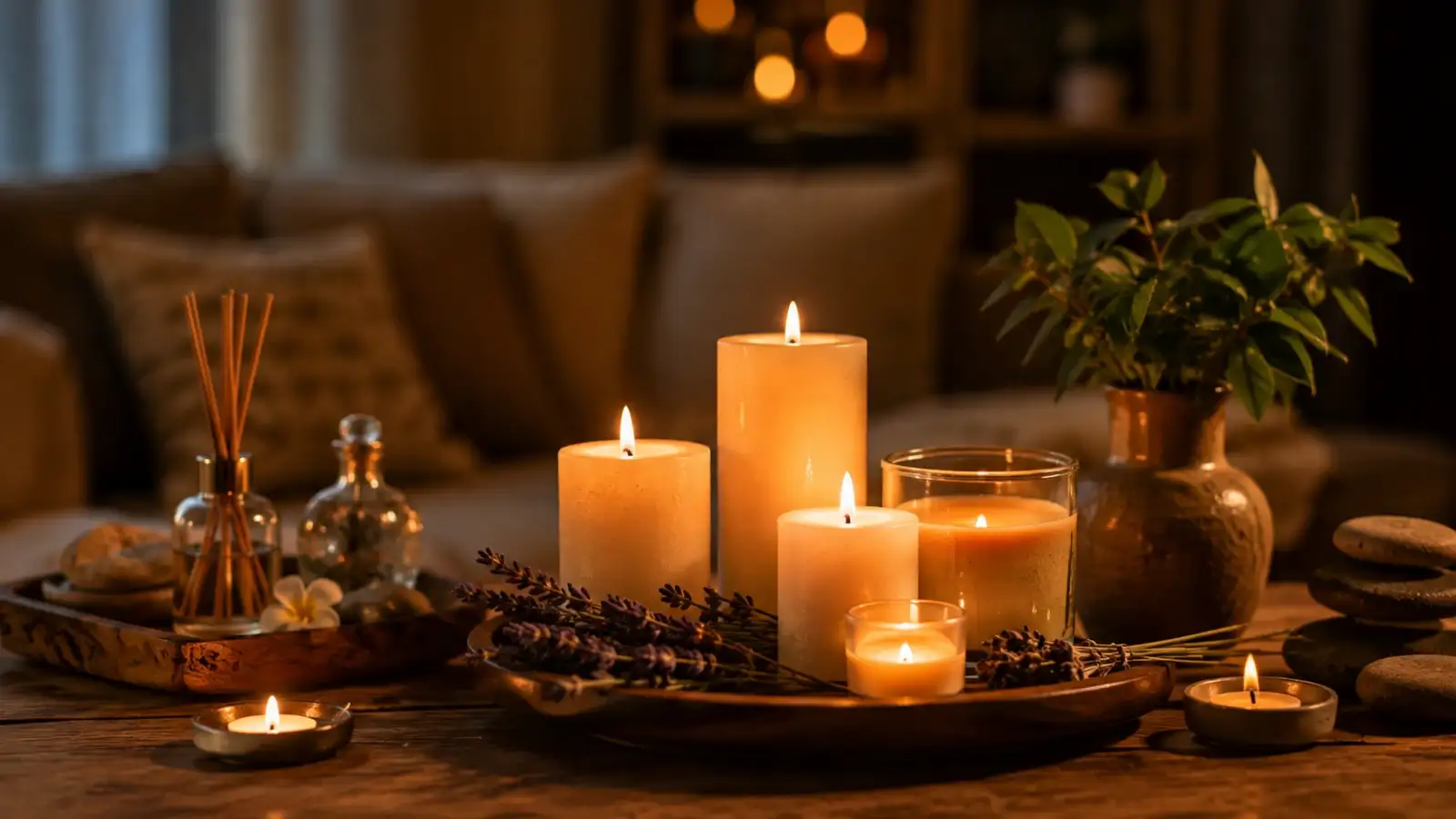
Religious communities used soft flame light to honor deities, guide departing souls, and symbolize eternal hope during dark winter months. This deep historical connection turned simple wax stems into sacred tools for rituals. Even today, lighting a candle remains a core practice in birth celebrations, memorial services, and quiet meditative customs across global cultures.
The Biological Calm of Soft Light and Personal Relaxation
In our fast-paced modern world, lighting a candle after a long workday signals an immediate shift toward quiet relaxation. This biological reaction is rooted in human sensory evolution. Harsh overhead electric bulbs and bright mobile phone screens emit high levels of blue light, which tricks the brain into staying alert and stressed. Conversely, the soft flickering glow of a candle produces a warm color spectrum that mirrors natural sunset hues.
This gentle illumination encourages your body to release melatonin, lowering heart rates and easing mental fatigue. Modern aromatherapy candles infused with essential oils further enhance this soothing effect, transforming ordinary living rooms into serene sanctuaries for emotional relaxation.
Creating Intimacy and Romantic Atmosphere with Candlelight
The enduring association between glowing flames and romantic evenings is more than just clever marketing. Intimate dining settings rely on candlelight to create a cozy, enclosed environment that draws people together. Soft candlelight naturally diffuses harsh facial shadows, softens features, and dilates eye pupils.
In human psychology, enlarged pupils are a subtle physical signal of attraction and interest, making dinner partners appear naturally more appealing to one another. Furthermore, the quiet, low-lit atmosphere created by flickering flames reduces external visual distractions, encouraging slower conversations, deeper focus, and genuine emotional connection during romantic occasions.
From Essential Household Necessity to Symbolic Luxury
Before the invention of electric light bulbs, using candles was a basic practical necessity for evening life. However, when cheap electricity illuminated homes during the late nineteenth century, the functional purpose of beeswax and tallow vanished almost overnight. Rather than disappearing entirely, candles underwent a fascinating cultural transformation.
Burning wax shifted from an everyday functional chore into a deliberate lifestyle choice symbolizing mindfulness, comfort, and luxury. People began lighting candles intentionally to mark special occasions, pause busy routines, and enjoy quiet moments of self-care, embedding them deeply into contemporary lifestyle customs.
The Nostalgic Power of Scented Wax and Aromatherapy
The modern resurgence of decorative candles is closely tied to our powerful sense of smell. Scented candles combine visual warmth with olfactory stimulation, triggering vivid emotional memories stored deep within the brain. Fragrances like lavender, vanilla, cedarwood, and jasmine interact directly with the limbic system, which controls emotions and stress responses.
Bringing a beautifully scented candle into your living space allows you to curate your home environment intentionally. This unique blend of warm light, gentle fragrance, and soothing atmosphere guarantees that candles remain timeless companions for personal relaxation, romantic evenings, and meaningful life rituals.
Religious communities used soft flame light to honor deities, guide departing souls, and symbolize eternal hope during dark winter months. This deep historical connection turned simple wax stems into sacred tools for rituals. Even today, lighting a candle remains a core practice in birth celebrations, memorial services, and quiet meditative customs across global cultures.
The Biological Calm of Soft Light and Personal Relaxation
In our fast-paced modern world, lighting a candle after a long workday signals an immediate shift toward quiet relaxation. This biological reaction is rooted in human sensory evolution. Harsh overhead electric bulbs and bright mobile phone screens emit high levels of blue light, which tricks the brain into staying alert and stressed. Conversely, the soft flickering glow of a candle produces a warm color spectrum that mirrors natural sunset hues.
This gentle illumination encourages your body to release melatonin, lowering heart rates and easing mental fatigue. Modern aromatherapy candles infused with essential oils further enhance this soothing effect, transforming ordinary living rooms into serene sanctuaries for emotional relaxation.
You may also like
- After years in corporate, a 35th-generation royal returns to his roots and is now reviving a 1929 palace and Kannauj's perfume heritage, giving employment to hundreds
- Sometimes, saying No is the most powerful form of equality
- New Section of Delhi-Mumbai Expressway Opens: Know the Entry, Exit, and Toll Rules
- Do fruits lose their nutrients when kept in the refrigerator? For how many days is it right to store them?
- What Happens to Your Body When You Quit Sugar for 30 Days, Key Health Changes and Benefits
Creating Intimacy and Romantic Atmosphere with Candlelight
The enduring association between glowing flames and romantic evenings is more than just clever marketing. Intimate dining settings rely on candlelight to create a cozy, enclosed environment that draws people together. Soft candlelight naturally diffuses harsh facial shadows, softens features, and dilates eye pupils.
In human psychology, enlarged pupils are a subtle physical signal of attraction and interest, making dinner partners appear naturally more appealing to one another. Furthermore, the quiet, low-lit atmosphere created by flickering flames reduces external visual distractions, encouraging slower conversations, deeper focus, and genuine emotional connection during romantic occasions.
From Essential Household Necessity to Symbolic Luxury
Before the invention of electric light bulbs, using candles was a basic practical necessity for evening life. However, when cheap electricity illuminated homes during the late nineteenth century, the functional purpose of beeswax and tallow vanished almost overnight. Rather than disappearing entirely, candles underwent a fascinating cultural transformation.
Burning wax shifted from an everyday functional chore into a deliberate lifestyle choice symbolizing mindfulness, comfort, and luxury. People began lighting candles intentionally to mark special occasions, pause busy routines, and enjoy quiet moments of self-care, embedding them deeply into contemporary lifestyle customs.
The Nostalgic Power of Scented Wax and Aromatherapy
The modern resurgence of decorative candles is closely tied to our powerful sense of smell. Scented candles combine visual warmth with olfactory stimulation, triggering vivid emotional memories stored deep within the brain. Fragrances like lavender, vanilla, cedarwood, and jasmine interact directly with the limbic system, which controls emotions and stress responses.
Bringing a beautifully scented candle into your living space allows you to curate your home environment intentionally. This unique blend of warm light, gentle fragrance, and soothing atmosphere guarantees that candles remain timeless companions for personal relaxation, romantic evenings, and meaningful life rituals.






Loving Newspoint? Download the app now
