
Why Do Cherry Blossoms Bloom for Such a Short Period Every Spring?

Cherry blossoms are among the most admired signs of spring. Every year, their delicate pink and white flowers transform parks, streets and gardens into beautiful seasonal landscapes. However, the display does not last very long. In many locations, cherry blossoms remain at their peak for only a few days before petals begin falling. This brief flowering period is closely connected to the trees' natural growth cycle, changing temperatures and weather conditions. Their short-lived beauty is also one reason why cherry blossom season attracts so much attention from nature lovers and travellers around the world.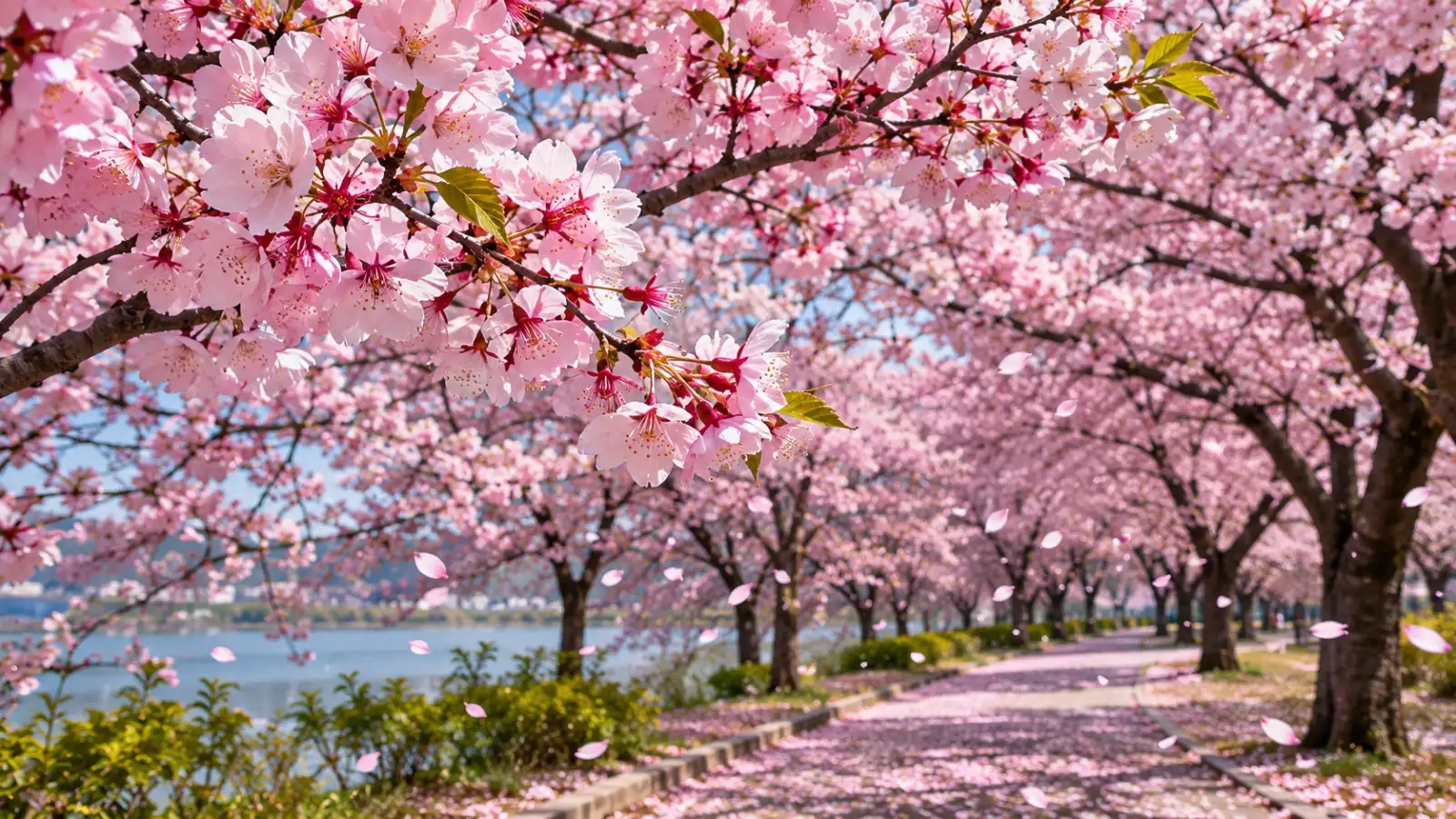
Once the flowers open, their petals gradually age and fall. Many ornamental cherry varieties reach full bloom within a short period, often lasting around a week under favourable conditions. The exact duration depends on the variety and local environment.
During winter, cherry trees experience a period of dormancy. As temperatures rise in spring, the trees begin responding to changing environmental conditions and their flower buds open.
A sudden increase in temperature can make flowers develop and reach full bloom more quickly. Warmer weather may also cause petals to fall sooner, shortening the time people have to enjoy the display.
Even after a tree reaches full bloom, a few days of unfavourable weather can change the appearance of an entire landscape. This is why cherry blossom displays sometimes end earlier than expected.
Calm, cool and dry conditions generally help flowers remain attractive for longer.
Insects such as bees visit many cherry flowers to collect nectar and pollen, helping with pollination. Once the flowering stage is complete, the petals are no longer needed and naturally begin to fall.
Depending on the species, pollinated flowers may develop into small fruits, although many ornamental cherry varieties produce little or no fruit.
Some early-flowering varieties begin producing blossoms while the weather is still relatively cool. Others bloom later in spring. This variation means that cherry blossom season can continue for several weeks across a region, even though individual trees may remain at peak bloom for only a short time.
The green foliage eventually replaces much of the colourful floral display. This change is a normal part of the tree's seasonal development and helps it prepare for the months ahead.
Because the flowers do not last long, people often plan visits around local bloom forecasts. The brief season encourages visitors to appreciate the moment rather than assume the flowers will remain for weeks.
Cherry blossoms bloom for a short period because flowering is only one stage in their natural life cycle. Rising temperatures, pollination, rainfall and wind all influence how quickly the petals appear and disappear. Although the display may last only a few days at its peak, it remains one of spring's most recognisable natural events. Their fleeting beauty is precisely what makes cherry blossom season so memorable.
1. Cherry Blossoms Have a Naturally Short Flowering Cycle
Cherry blossom trees do not produce flowers throughout the year. Their flowering is part of a seasonal cycle that allows them to reproduce and prepare for the next stage of growth.Once the flowers open, their petals gradually age and fall. Many ornamental cherry varieties reach full bloom within a short period, often lasting around a week under favourable conditions. The exact duration depends on the variety and local environment.
2. Rising Temperatures Speed Up the Blooming Process
Temperature plays an important role in determining when cherry blossoms appear and how long they remain on the trees.During winter, cherry trees experience a period of dormancy. As temperatures rise in spring, the trees begin responding to changing environmental conditions and their flower buds open.
A sudden increase in temperature can make flowers develop and reach full bloom more quickly. Warmer weather may also cause petals to fall sooner, shortening the time people have to enjoy the display.
3. Rain and Strong Winds Can Remove the Petals
Cherry blossom petals are delicate and can be easily affected by changing weather. Heavy rain may damage flowers, while strong winds can shake petals loose from branches.Even after a tree reaches full bloom, a few days of unfavourable weather can change the appearance of an entire landscape. This is why cherry blossom displays sometimes end earlier than expected.
Calm, cool and dry conditions generally help flowers remain attractive for longer.
You may also like
- Delay a file, lose 250 rupees a day: New law in Delhi.
- AI Healthcare: The Rise of AI Platforms in Indian Healthcare Sector
- Priyanka Chopra's Diwali gown took over 2,200 hours of embroidery, according to its designer, who blended Kashmiri aari and zardozi with Sindhi craft details in an outfit inspired by Indian architectural heritage
- Two New Vande Bharat Trains for the Nation: Which Routes Will They Serve and When Will They Begin?
- Know the Limits: How Much Cash Can You Withdraw from a Post Office ATM in a Day?
4. Pollination Is Part of the Flowering Process
Flowers exist primarily to support plant reproduction. Cherry blossoms produce reproductive structures that allow pollen to reach the stigma and fertilisation to take place.Insects such as bees visit many cherry flowers to collect nectar and pollen, helping with pollination. Once the flowering stage is complete, the petals are no longer needed and naturally begin to fall.
Depending on the species, pollinated flowers may develop into small fruits, although many ornamental cherry varieties produce little or no fruit.
5. Different Cherry Varieties Bloom at Different Times
Not all cherry trees flower at the same time or for the same duration. Different varieties have different blooming schedules, influenced by their genetics and local climate.Some early-flowering varieties begin producing blossoms while the weather is still relatively cool. Others bloom later in spring. This variation means that cherry blossom season can continue for several weeks across a region, even though individual trees may remain at peak bloom for only a short time.
6. The Trees Shift Their Energy Towards Leaf Growth
After the flowers fall, cherry trees gradually move into the next stage of their annual growth cycle. New leaves become more visible, and the tree begins focusing on photosynthesis and developing its branches.The green foliage eventually replaces much of the colourful floral display. This change is a normal part of the tree's seasonal development and helps it prepare for the months ahead.
7. Short Blooming Seasons Make Cherry Blossoms Special
The temporary nature of cherry blossoms has also influenced how people appreciate them. In Japan, the tradition of hanami involves gathering beneath flowering trees to enjoy their beauty.Because the flowers do not last long, people often plan visits around local bloom forecasts. The brief season encourages visitors to appreciate the moment rather than assume the flowers will remain for weeks.
Cherry blossoms bloom for a short period because flowering is only one stage in their natural life cycle. Rising temperatures, pollination, rainfall and wind all influence how quickly the petals appear and disappear. Although the display may last only a few days at its peak, it remains one of spring's most recognisable natural events. Their fleeting beauty is precisely what makes cherry blossom season so memorable.






Loving Newspoint? Download the app now
