
Why Cooking In Clay Pots Is A Healthier & Tastier Choice Than You Think

Clay pots have been used for cooking across ancient civilisations for centuries, especially in cultures that value earthy, slow-cooked meals. In modern kitchens, however, they’re often replaced by metal, non-stick, or synthetic cookware. But this traditional tool is making a quiet comeback—and for good reason. Cooking in clay pots offers a unique set of benefits that go beyond nostalgia. From enhancing flavours to boosting nutrition and sustainability, here’s why switching to clay cookware could be a smart move for your kitchen and health.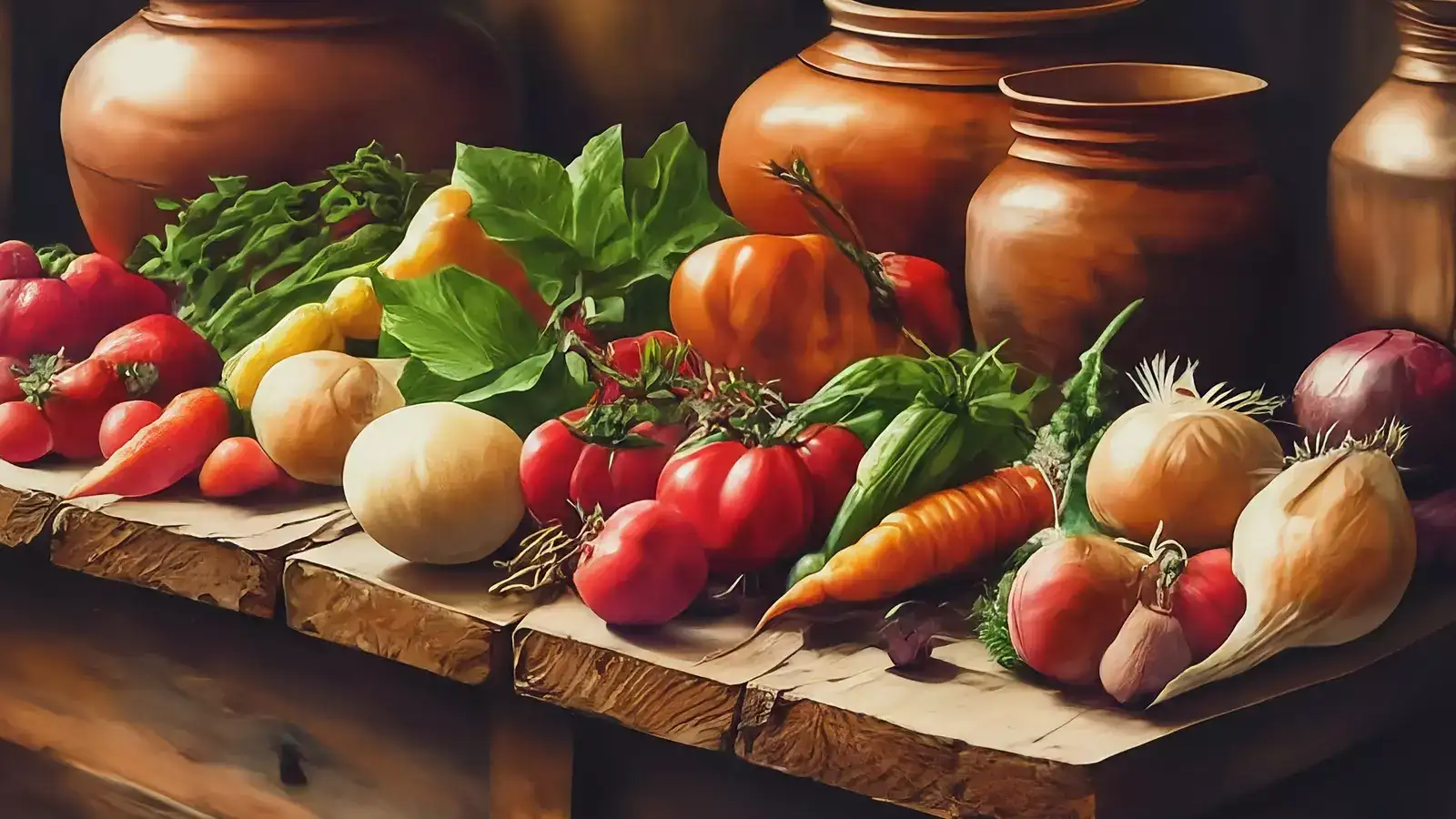
Clay Pots Help Retain Nutrients and Flavour
One of the most significant advantages of clay pot cooking is its ability to preserve the natural taste and nutrients of food. The porous surface of unglazed clay allows moisture and heat to circulate evenly, leading to slow and gentle cooking. This method helps retain the vitamins and minerals in vegetables, lentils, and grains, which can often be lost in high-heat metal cooking. The result is not just healthier food, but meals that taste deeper, earthier, and more aromatic.They Are Naturally Non-Toxic and Chemical-Free
Unlike non-stick pans or metal cookware that may leach harmful substances when overheated or scratched, unglazed clay pots are made from natural materials with no synthetic coatings. When used properly, they do not release any harmful chemicals into your food. This makes clay an excellent choice for families looking to reduce their exposure to toxins in everyday cooking.Clay Pots Keep Food Warm for Longer
Once heated, clay retains warmth for a longer period than many modern cooking materials. This means your food stays hot even after you’ve finished cooking—ideal for traditional Indian meals served fresh on the table. This slow release of heat also helps improve the texture of dals, curries, and rice dishes, allowing flavours to meld beautifully.They Are Ideal for Oil-Free or Low-Oil Cooking
Clay cookware is known for requiring less oil or fat, as the slow cooking method and natural steaming process help to tenderise ingredients without sticking. This makes it a great choice for those looking to reduce fat intake without compromising on taste. It’s particularly useful for preparing soups, stews, or even sautéed dishes in a more heart-friendly way.You may also like
- Brain Health in Your 30s and 40s: Steps That May Support Future Memory
- Why Hindus ring temple bells before praying: The reason goes beyond “waking up God”
- Cluttercore trend: How to embrace personal collections and curated clutter in your home decor
- The Paradise Ticket Prices Hiked in Telangana Ahead of Nani's Release
- How much does it cost to stream everything in UAE? What you need to know
Adds a Distinct Earthy Aroma to Food
One of the most charming and delicious qualities of clay pot cooking is the unmistakable earthy aroma it imparts to food. This is especially noticeable in Indian cooking, where spices and herbs interact beautifully with the clay. Dishes like biryani, khichdi, or slow-cooked meat curries develop deeper, richer profiles when cooked in earthenware.They Support Sustainable and Eco-Friendly Living
Clay pots are biodegradable, sustainable, and energy-efficient. Their production requires minimal industrial processing, and when sourced from local potters, they also support traditional artisans. By switching to clay, you contribute to eco-conscious kitchen habits while reducing your reliance on metal or plastic cookware that eventually ends up in landfills.They Are Budget-Friendly and Readily Available
Compared to high-end cookware, clay pots are often more affordable and accessible, especially in rural or semi-urban Indian markets. They come in various sizes and types—perfect for daily cooking or festive dishes. With a little care, they can last for years, making them a cost-effective choice in the long run.Clay Pot Cooking Has Ayurvedic Backing
Ayurveda, India’s ancient system of wellness, recommends clay for its grounding and detoxifying properties. Cooking in clay is said to balance the body’s doshas, especially kapha and pitta, and enhance digestion. While these benefits are rooted in traditional belief systems, they align well with modern health principles around natural and mindful eating.Tips for Using Clay Pots Correctly
- Cure Before First Use: Soak the pot in water for several hours and allow it to dry before cooking. Some also recommend seasoning it with oil.
- Use Low to Medium Heat: Sudden high heat can crack the pot, so always start on low flame.
- Avoid Drastic Temperature Changes: Never pour cold water into a hot pot or vice versa.
- Clean Gently: Use warm water and a soft scrub; avoid harsh detergents that may get absorbed into the porous clay.
Bringing Tradition Back Into the Kitchen
Clay pot cooking is more than a culinary method—it’s a return to nature, health, and culture. With rising awareness around clean eating and sustainable living, this time-honoured practice is gaining renewed appreciation. Whether you're making a simple lentil curry or a celebratory biryani, earthen pots add soul to your food. It might just be the kitchen upgrade your health—and your taste buds—have been waiting for.





Loving Newspoint? Download the app now
