
Why Are Crows Considered Among the Most Intelligent Birds in the World?

Crows are often seen sitting on rooftops, searching for food or gathering around trees, but there is much more to these familiar birds than meets the eye. Scientists have found that crows possess impressive mental abilities, including problem-solving, memory, communication and tool use. Some species can even complete multi-step tasks to obtain food. Their behaviour suggests that they can learn from experience, recognise familiar individuals and adapt to changing situations. These abilities have made crows an important subject of animal intelligence research and earned them a reputation as some of the cleverest birds in the natural world.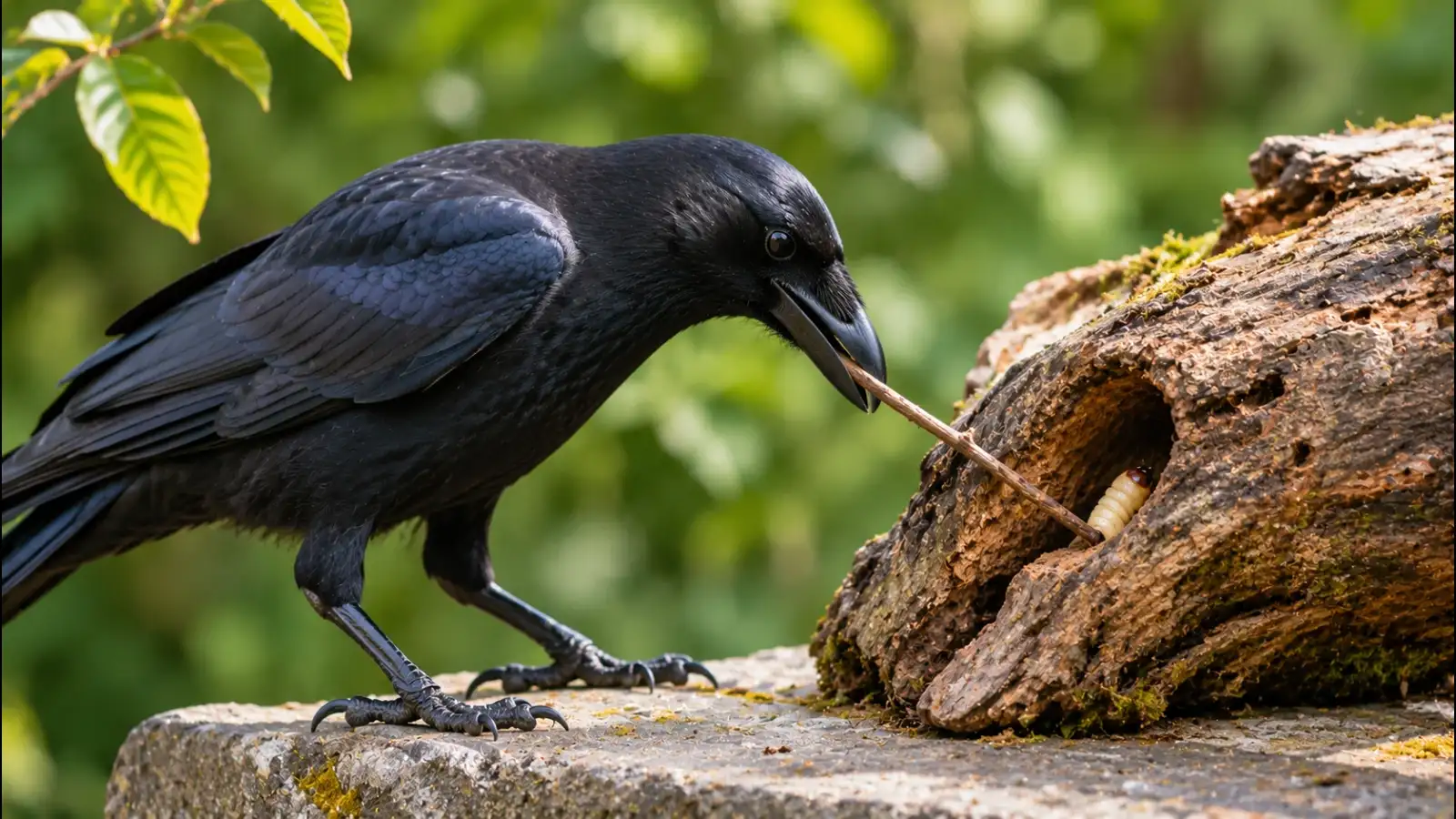
They can also select tools based on the task and modify them to make food collection easier. This behaviour demonstrates an impressive ability to understand how objects can be used to solve practical problems.
Such tasks require more than simple trial and error. They involve understanding relationships between objects and adjusting actions when an initial attempt does not work.
They may remember such individuals for years and respond differently when they encounter them again. This ability helps them avoid potential dangers.
For instance, younger crows may watch adults searching for food or handling objects. This social learning allows helpful behaviours to spread within groups and across generations.
This behaviour indicates a level of flexible thinking that is unusual in the animal world.
They also use body movements and social interactions to convey information. Their communication becomes particularly noticeable when several crows gather around a potential threat.
Their ability to adjust their behaviour helps them thrive in environments that may be difficult for other bird species.
Their social behaviour suggests that intelligence is not only about solving puzzles but also about understanding and responding to others.
Crows stand out because they combine memory, learning, communication and problem-solving in remarkably flexible ways. Their intelligence challenges the idea that complex thinking is limited to mammals. The next time you see a crow observing its surroundings, remember that it may be doing far more than simply looking for its next meal.
1. They Can Use Tools to Find Food
One of the most remarkable abilities of certain crow species is tool use. New Caledonian crows , for example, are known to make tools from twigs and leaves to extract insects from narrow spaces.They can also select tools based on the task and modify them to make food collection easier. This behaviour demonstrates an impressive ability to understand how objects can be used to solve practical problems.
2. Crows Can Solve Complex Puzzles
Crows are capable of working through challenges that require several steps. In experiments, some have demonstrated the ability to use objects in sequence to reach food that would otherwise be inaccessible.Such tasks require more than simple trial and error. They involve understanding relationships between objects and adjusting actions when an initial attempt does not work.
3. They Have an Excellent Memory
Crows are known for remembering important locations, food sources and familiar individuals. Research has also shown that American crows can recognise human faces associated with threatening experiences.They may remember such individuals for years and respond differently when they encounter them again. This ability helps them avoid potential dangers.
4. They Learn by Watching Other Crows
Crows do not depend entirely on individual experience. They can observe the behaviour of other birds and learn useful techniques.For instance, younger crows may watch adults searching for food or handling objects. This social learning allows helpful behaviours to spread within groups and across generations.
You may also like
- Winter Gut Health: 7 Doctor-Approved Foods to Eat Every Day
- How to Get 100g Daily Protein: Doctor-Approved Kitchen Staples
- Why Fruits Cause Acidity: Hidden Triggers, Digestion Science & Tips
- Toxic Air Attacks Heart, Brain, and Kidneys: AIIMS Doctors Warn
- Firecracker Smoke Health Risks: Shielding Lungs, Eyes, and Asthma
5. They Can Plan for Future Needs
Some studies suggest that crows can prepare for future situations rather than simply reacting to immediate hunger. Certain experiments have shown that they can save tools or food-related resources for later use.This behaviour indicates a level of flexible thinking that is unusual in the animal world.
6. They Communicate Through Different Calls
Crows use a variety of calls to communicate with one another. Their vocalisations can signal danger, attract other birds or help coordinate group behaviour.They also use body movements and social interactions to convey information. Their communication becomes particularly noticeable when several crows gather around a potential threat.
7. They Adapt to Changing Environments
Crows are highly adaptable birds and can survive in forests, villages and busy cities. They learn to find food in different places, recognise familiar routines and take advantage of opportunities created by human activity.Their ability to adjust their behaviour helps them thrive in environments that may be difficult for other bird species.
8. They Have Impressive Social Intelligence
Crows often live in complex social groups and can recognise relationships between individuals. They may cooperate to defend themselves, share information about dangers and respond collectively to threats.Their social behaviour suggests that intelligence is not only about solving puzzles but also about understanding and responding to others.
Crows stand out because they combine memory, learning, communication and problem-solving in remarkably flexible ways. Their intelligence challenges the idea that complex thinking is limited to mammals. The next time you see a crow observing its surroundings, remember that it may be doing far more than simply looking for its next meal.






Loving Newspoint? Download the app now
