
Why Almost Every Culture Has Rules About What Not to Do at Night

Across diverse continents and wildly different historical eras, human societies developed surprisingly similar customs regarding behavior after sunset. From warnings against whistling in the dark to strict bans on sweeping floors or cutting nails after twilight, these folk traditions span the globe. At its core, this shared cultural focus stems from a fundamental human reality.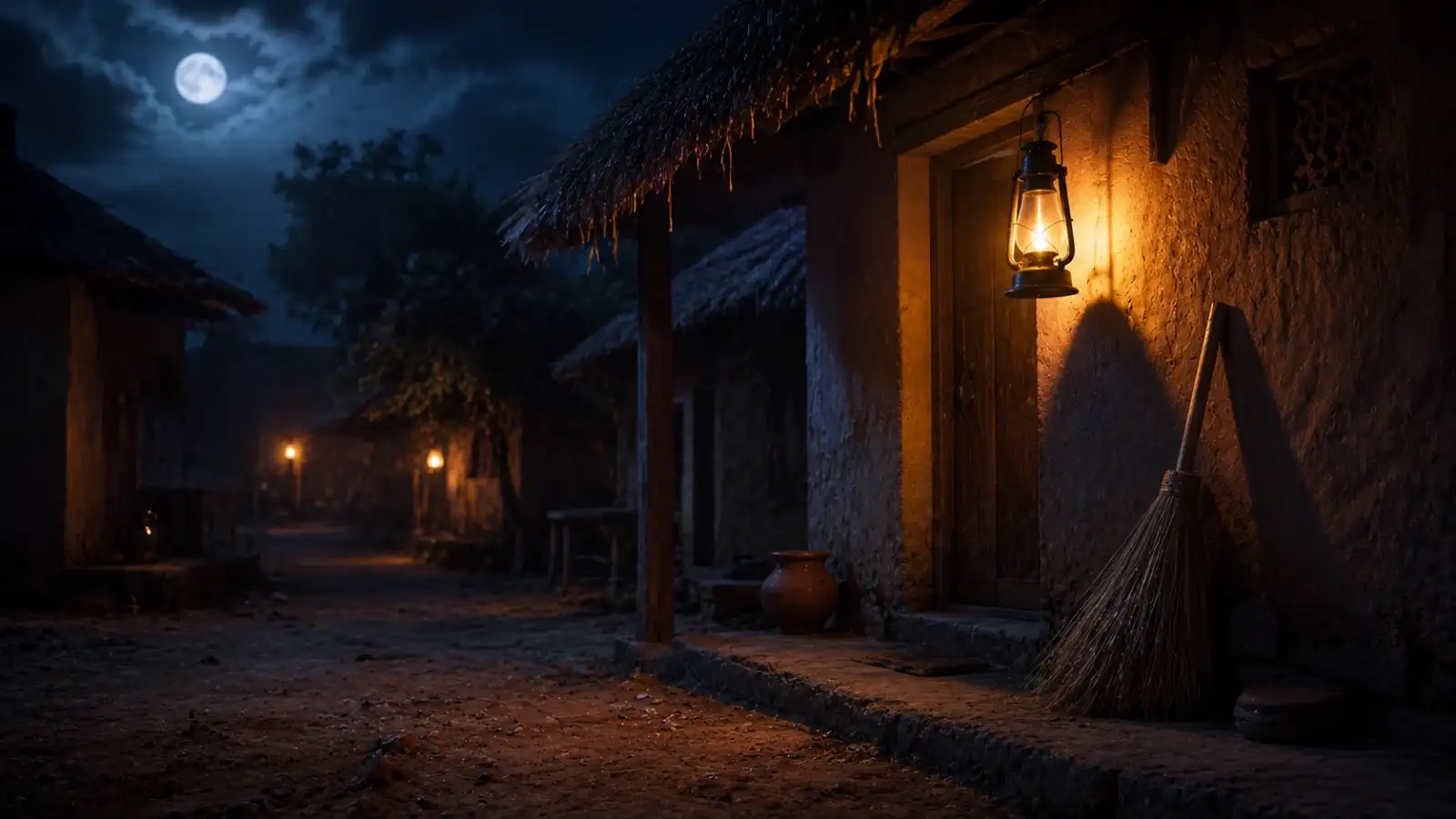
Darkness alters our perception, hides physical hazards, and triggers deeply ingrained survival instincts. Long before electric streetlamps lit up our cities, night was a dangerous period ruled by real threats like predatory animals, hidden obstacles, and hostile strangers. Transforming practical safety precautions into memorable cultural rules helped communities survive the dark hours generation after generation.
Preventing Physical Injuries in Dimly Lit Environments
Many widespread nighttime taboos were originally grounded in basic personal safety. In ancient times, household lighting consisted of flickering candles, oil lamps, or open hearth fires. Performing delicate tasks in poor light carried a high risk of accidental injury. Superstitions forbidding people from trimming hair, cutting fingernails, or using sharp tools after dark protected individuals from painful cuts and infections. Framing these dangerous habits as bad luck or warnings about attracting negative energy ensured that children and adults alike avoided sharp blades when the sun went down, keeping households safe before modern medicine existed.
Preserving Household Resources and Small Possessions
Another common category of nighttime rules focuses on domestic chores. Numerous traditions strongly discourage sweeping house floors or taking out rubbish at night, claiming that doing so sweeps away good fortune or family wealth. In reality, sweeping dirt out of a dimly lit home often led to accidentally throwing away small, valuable items like lost coins, dropped jewellery, or crucial tools. Similarly, hanging laundry outdoors after sunset was discouraged to prevent clothing from dampening in heavy night dew, gathering soot from outdoor fires, or getting stolen. Folklore turned resource conservation into moral lessons to protect house belongings.
Maintaining Noise Boundaries and Protecting Community Peace
Whistling, shouting, or making loud noises at night is almost universally frowned upon in folk traditions worldwide. Elders often warned that whistling after dark would attract wandering spirits, malicious entities, or dangerous snakes directly to your doorstep. Beneath the supernatural warnings lay an essential social function. Making loud sounds at night signals your exact location to potential intruders or dangerous wild animals hiding in the shadows. Furthermore, quiet nights were crucial for resting communities. Enforcing silence through spiritual warnings prevented disruptive behavior, preserving peace and harmony among neighboring households.
Psychological Protection and the Need for Restful Sleep
Human beings possess imaginative minds that naturally project fears into shadowy corners when light fades. Ancient cultures understood that nighttime activities could easily trigger anxiety, bad dreams, or sleep disturbances. Rules discouraging people from looking into mirrors at night, staring out dark windows, or speaking about unsettling topics before bed helped manage psychological stress. Establishing structured evening boundaries signaled to the brain that the active workday had ended. By encouraging quiet, cautious behavior, these cultural guidelines helped people feel secure inside their homes, promoting rest and mental well-being until daylight returned.
Darkness alters our perception, hides physical hazards, and triggers deeply ingrained survival instincts. Long before electric streetlamps lit up our cities, night was a dangerous period ruled by real threats like predatory animals, hidden obstacles, and hostile strangers. Transforming practical safety precautions into memorable cultural rules helped communities survive the dark hours generation after generation.
Preventing Physical Injuries in Dimly Lit Environments
Many widespread nighttime taboos were originally grounded in basic personal safety. In ancient times, household lighting consisted of flickering candles, oil lamps, or open hearth fires. Performing delicate tasks in poor light carried a high risk of accidental injury. Superstitions forbidding people from trimming hair, cutting fingernails, or using sharp tools after dark protected individuals from painful cuts and infections. Framing these dangerous habits as bad luck or warnings about attracting negative energy ensured that children and adults alike avoided sharp blades when the sun went down, keeping households safe before modern medicine existed.
Preserving Household Resources and Small Possessions
You may also like
- Swine Flu Alert: Know H1N1 Symptoms, High-Risk Groups and Key Prevention Tips
- Raising a child in an Indian metro could cost Rs 6.75 crore over 21 years: How education, healthcare, childcare and lifestyle expenses can add up
- Compensation of up to ₹18 lakh for death in a train accident; know the rules and process for claiming it..
- Annual registration required to avail free electricity in Delhi! New rule to come into effect..
- Not FDs—ELSS is the fastest way to save tax and become a crorepati! Find out how..
Another common category of nighttime rules focuses on domestic chores. Numerous traditions strongly discourage sweeping house floors or taking out rubbish at night, claiming that doing so sweeps away good fortune or family wealth. In reality, sweeping dirt out of a dimly lit home often led to accidentally throwing away small, valuable items like lost coins, dropped jewellery, or crucial tools. Similarly, hanging laundry outdoors after sunset was discouraged to prevent clothing from dampening in heavy night dew, gathering soot from outdoor fires, or getting stolen. Folklore turned resource conservation into moral lessons to protect house belongings.
Maintaining Noise Boundaries and Protecting Community Peace
Whistling, shouting, or making loud noises at night is almost universally frowned upon in folk traditions worldwide. Elders often warned that whistling after dark would attract wandering spirits, malicious entities, or dangerous snakes directly to your doorstep. Beneath the supernatural warnings lay an essential social function. Making loud sounds at night signals your exact location to potential intruders or dangerous wild animals hiding in the shadows. Furthermore, quiet nights were crucial for resting communities. Enforcing silence through spiritual warnings prevented disruptive behavior, preserving peace and harmony among neighboring households.
Psychological Protection and the Need for Restful Sleep
Human beings possess imaginative minds that naturally project fears into shadowy corners when light fades. Ancient cultures understood that nighttime activities could easily trigger anxiety, bad dreams, or sleep disturbances. Rules discouraging people from looking into mirrors at night, staring out dark windows, or speaking about unsettling topics before bed helped manage psychological stress. Establishing structured evening boundaries signaled to the brain that the active workday had ended. By encouraging quiet, cautious behavior, these cultural guidelines helped people feel secure inside their homes, promoting rest and mental well-being until daylight returned.






Loving Newspoint? Download the app now
