
Why Devotees Don’t Bring Gangajal Home From Kashi: The Surprising Spiritual Reason Explained

Why devotees don’t bring Gangajal home from Kashi is a question that often intrigues pilgrims visiting one of Hinduism’s holiest cities. Kashi, also known as Varanasi, is far more than a spiritual destination - it is believed to be the eternal city of Lord Shiva and a divine path to moksha. While devotees from across India visit Kashi to bathe in the sacred Ganga and seek blessings at Kashi Vishwanath Temple, there is a lesser-known tradition that discourages taking Gangajal from here back home. This belief is deeply rooted in spirituality, liberation, and the sacred identity of Kashi itself.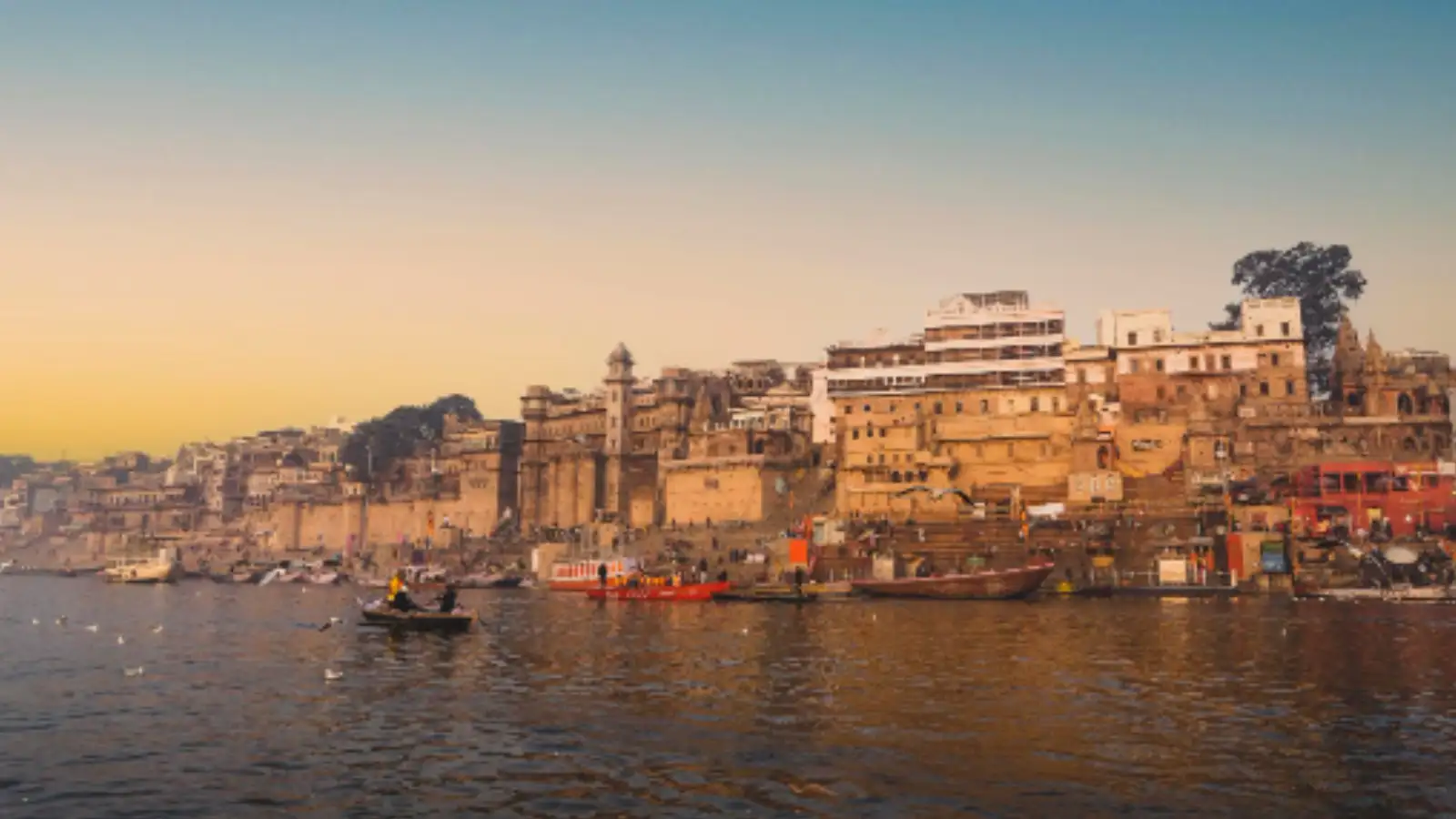
Kashi: The Eternal City of Moksha
Kashi holds a unique place in Hindu tradition as an “Avimukt Kshetra,” meaning the land never abandoned by Lord Shiva. According to age-old beliefs, Lord Shiva personally grants salvation to souls in Kashi through the sacred Tarak Mantra.
For centuries, devotees have believed that anyone who breathes their last in Kashi attains moksha, breaking free from the endless cycle of birth and death. This spiritual power is said to extend not just to humans, but to every form of life that exists within the holy boundaries of the city.
Why Gangajal From Kashi Is Considered Spiritually Different
Gangajal is revered across Hindu households and is often stored for rituals, purification, and blessings. However, in Kashi, the Ganga is believed to carry a unique spiritual essence because it flows through the city of liberation.
Traditional beliefs suggest that the water here contains countless living elements, all blessed by Kashi’s divine energy. Since Kashi is considered a place where liberation is already attained, taking Gangajal away is symbolically seen as removing sacred, liberated elements from their spiritual home.
The Spiritual Reason Behind Not Taking Gangajal Home
Many religious traditions view carrying Gangajal out of Kashi as spiritually inappropriate because it may be seen as disturbing what has already been freed. In simple terms, Kashi is not just a place of worship—it is a realm of spiritual release.
Devotees believe that taking this water away could symbolically interfere with the sanctity of moksha associated with the city. This is why many pilgrims respectfully leave the sacred waters of Kashi within its divine boundaries.
What Devotees Usually Do Instead
Rather than carrying Gangajal home, pilgrims are encouraged to embrace Kashi through spiritual practices such as:
Offer Prayers at Kashi Vishwanath Temple
Seeking Lord Shiva’s blessings is considered one of the highest spiritual experiences.
Carry Memories, Not Water
The spiritual message is to absorb Kashi’s divine energy internally rather than physically taking it away.
Where to Collect Gangajal for Home Rituals
For those wishing to keep Gangajal at home for religious purposes, traditions often favour collecting it from other sacred places such as:
These sites are considered spiritually significant without the same liberation-related beliefs attached to Kashi.
The Deeper Message of This Tradition
The belief surrounding Gangajal from Kashi beautifully reflects the city’s spiritual philosophy - Kashi is a place where souls are freed, not bound. The sacredness of Kashi lies not only in its water but in its divine purpose.
So, for many devotees, the true blessing is not in taking Gangajal home, but in carrying Kashi’s spiritual experience in the heart forever.
Kashi: The Eternal City of Moksha
Kashi holds a unique place in Hindu tradition as an “Avimukt Kshetra,” meaning the land never abandoned by Lord Shiva. According to age-old beliefs, Lord Shiva personally grants salvation to souls in Kashi through the sacred Tarak Mantra.
For centuries, devotees have believed that anyone who breathes their last in Kashi attains moksha, breaking free from the endless cycle of birth and death. This spiritual power is said to extend not just to humans, but to every form of life that exists within the holy boundaries of the city.
Why Gangajal From Kashi Is Considered Spiritually Different
Gangajal is revered across Hindu households and is often stored for rituals, purification, and blessings. However, in Kashi, the Ganga is believed to carry a unique spiritual essence because it flows through the city of liberation.
Traditional beliefs suggest that the water here contains countless living elements, all blessed by Kashi’s divine energy. Since Kashi is considered a place where liberation is already attained, taking Gangajal away is symbolically seen as removing sacred, liberated elements from their spiritual home.
The Spiritual Reason Behind Not Taking Gangajal Home
Many religious traditions view carrying Gangajal out of Kashi as spiritually inappropriate because it may be seen as disturbing what has already been freed. In simple terms, Kashi is not just a place of worship—it is a realm of spiritual release.
Devotees believe that taking this water away could symbolically interfere with the sanctity of moksha associated with the city. This is why many pilgrims respectfully leave the sacred waters of Kashi within its divine boundaries.
What Devotees Usually Do Instead
Rather than carrying Gangajal home, pilgrims are encouraged to embrace Kashi through spiritual practices such as:
Take a Holy Dip in the Ganga
Bathing in the sacred river is believed to cleanse sins and purify the soul.Offer Prayers at Kashi Vishwanath Temple
Seeking Lord Shiva’s blessings is considered one of the highest spiritual experiences.Carry Memories, Not Water
The spiritual message is to absorb Kashi’s divine energy internally rather than physically taking it away. Where to Collect Gangajal for Home Rituals
For those wishing to keep Gangajal at home for religious purposes, traditions often favour collecting it from other sacred places such as: - Haridwar
- Prayagraj
- Gaumukh
These sites are considered spiritually significant without the same liberation-related beliefs attached to Kashi.
The Deeper Message of This Tradition
The belief surrounding Gangajal from Kashi beautifully reflects the city’s spiritual philosophy - Kashi is a place where souls are freed, not bound. The sacredness of Kashi lies not only in its water but in its divine purpose.
So, for many devotees, the true blessing is not in taking Gangajal home, but in carrying Kashi’s spiritual experience in the heart forever.
Next Story