
Why Did Draupadi Stay Silent After Krishna's Dark Warning?


There is a haunting moment in the Mahabharata tradition that raises a difficult question.
If Krishna knew that the great war would leave Draupadi with unbearable losses, why did she not stop and question him? Why did she remain silent when the future seemed so terrifying?
The answer is not as simple as saying that Draupadi knew exactly what would happen. Different Mahabharata traditions and later retellings present these conversations differently. But one powerful idea emerges from the story: Krishna often speaks about dharma, destiny and the consequences of human choices, while Draupadi stands at the centre of those consequences.
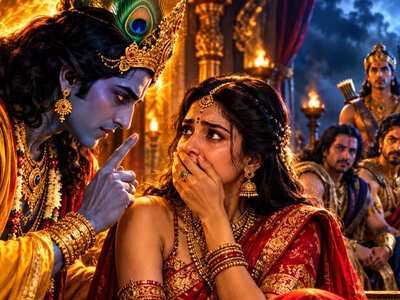
Draupadi Had Already Lost So Much
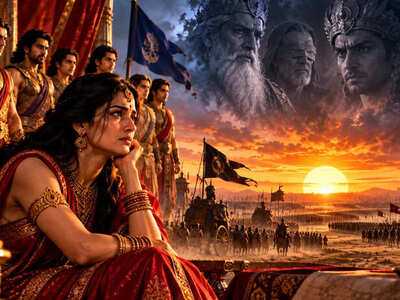 Draupadi had already endured humiliation, exile and repeated injustice.
By the time the final conflict approached, Draupadi was no stranger to suffering. She had experienced the humiliation of the dice hall, years of exile and the constant threat created by the rivalry between the Kauravas and Pandavas. Her anger was not born from one incident alone. It had grown through years of injustice. That is important when understanding her response to Krishna. Draupadi was not an unaware character waiting for someone else to explain the stakes. She had witnessed the destruction of relationships around her and understood that the conflict had reached a dangerous point. Her silence therefore cannot automatically be treated as fear or helplessness.
Krishna Did Not Control Every Choice
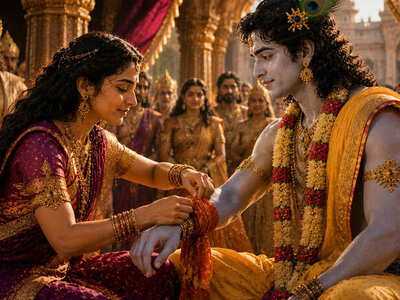 The Sanskrit Mahabharata describes Krishna and Draupadi’s bond, but the popular Rakhi episode is not clearly narrated in this form.
Krishna is often described as knowing the larger course of events, but that does not mean every character simply loses the freedom to choose. The Mahabharata repeatedly shows people making decisions and then facing their consequences. Krishna advises, warns and guides, but others still have to act. Draupadi's story follows this pattern. She could express her pain, demand justice and support the Pandavas, but she could not personally control every decision made by kings and warriors. This distinction matters. Knowing that a painful outcome may come is different from having the power to prevent every event leading toward it.
Her Silence Was Not Simple AcceptanceIt is tempting to interpret silence as agreement, but the Mahabharata's characters are far more complicated than that. Draupadi is one of the epic's strongest voices when injustice occurs. She questions elders in the dice hall and refuses to quietly accept humiliation. So if she becomes silent in another moment, it should not automatically be read as surrender. Her silence may instead suggest that she understood the limits of what words could change at that particular moment. Sometimes a person can recognise that a terrible situation is unfolding without being able to stop it. That emotional tension makes Draupadi's character so powerful.
The War Had Become Bigger Than RevengeThe Mahabharata war was not simply a private fight between Draupadi and the people who had wronged her. By the time armies gathered at Kurukshetra, the conflict involved kingdoms, political alliances, family loyalties and questions of dharma. Draupadi's personal suffering remained important, but the war had expanded beyond one person's revenge. Krishna's role also reflects this larger dimension. His conversations repeatedly move toward duty, responsibility and the consequences of action. This helps explain why the story cannot be reduced to “Krishna knew everything, so Draupadi should have stopped the war.” The epic presents a world where personal choices and larger consequences collide.
Knowing the Future Changes NothingImagine being told that a terrible future may come, but having no clear way to prevent it. Would knowing the outcome actually make the decision easier? The Mahabharata repeatedly explores this uncomfortable question. Characters receive warnings, see signs and hear advice, yet they continue making choices. Draupadi's position is especially painful because the people she loves are deeply connected to the coming conflict. Even if she sensed what the war could cost, stopping it was not simply her decision. Her silence can therefore be viewed through the tension between human choice and forces that seem larger than any individual.
Her Greatest Loss Came After VictoryThe tragedy becomes even sharper because victory does not end Draupadi's suffering. The Pandavas survive the main battle, but Draupadi later faces the devastating loss of her sons, the Upapandavas, who are killed by Ashwatthama. This is one of the most painful turns in her story. The war that was supposed to answer years of injustice leaves behind another unbearable wound. That contrast is central to the Mahabharata. Winning a battle does not always mean escaping grief. Sometimes the price of justice is far more complicated than anyone imagined. Draupadi's story shows how victory and loss can exist in the same moment.
The Silence May Hold the Real LessonPerhaps the most meaningful way to understand Draupadi's silence is not to assume she had every detail of the future in front of her. Instead, it can be seen as part of a larger Mahabharata theme: human beings often have to act without knowing exactly what their choices will cost. Draupadi demanded justice when she believed injustice had to be challenged. Later, she endured consequences she could never fully control. Her story therefore asks a difficult question of us too. Can we remain courageous when we know that doing what we believe is right may still bring pain?
Draupadi's Silence Was Not WeaknessDraupadi was never a character defined by silence.
She questioned powerful men. She challenged injustice. She demanded answers when others remained quiet. That is why her silence, when it appears in particular moments of the tradition, becomes so intriguing.
We should also be careful not to assume that every later retelling or popular narration represents a direct statement from the oldest layers of the Mahabharata.
The deeper lesson is perhaps this: knowing that life may bring suffering does not always give us the power to prevent it.
Draupadi could demand justice. Krishna could offer guidance. The Pandavas could choose their path. But the consequences belonged to an entire world.
And that may be why her silence feels so powerful. Sometimes silence is not the absence of courage.
Sometimes it is the sound of a person carrying a truth too heavy for words.
Unlock insightful tips and inspiration on personal growth, productivity, and well-being. Stay motivated and updated with the latest at My Life XP.
If Krishna knew that the great war would leave Draupadi with unbearable losses, why did she not stop and question him? Why did she remain silent when the future seemed so terrifying?
The answer is not as simple as saying that Draupadi knew exactly what would happen. Different Mahabharata traditions and later retellings present these conversations differently. But one powerful idea emerges from the story: Krishna often speaks about dharma, destiny and the consequences of human choices, while Draupadi stands at the centre of those consequences.
Draupadi Had Already Lost So Much
By the time the final conflict approached, Draupadi was no stranger to suffering. She had experienced the humiliation of the dice hall, years of exile and the constant threat created by the rivalry between the Kauravas and Pandavas. Her anger was not born from one incident alone. It had grown through years of injustice. That is important when understanding her response to Krishna. Draupadi was not an unaware character waiting for someone else to explain the stakes. She had witnessed the destruction of relationships around her and understood that the conflict had reached a dangerous point. Her silence therefore cannot automatically be treated as fear or helplessness.
Krishna Did Not Control Every Choice
Krishna is often described as knowing the larger course of events, but that does not mean every character simply loses the freedom to choose. The Mahabharata repeatedly shows people making decisions and then facing their consequences. Krishna advises, warns and guides, but others still have to act. Draupadi's story follows this pattern. She could express her pain, demand justice and support the Pandavas, but she could not personally control every decision made by kings and warriors. This distinction matters. Knowing that a painful outcome may come is different from having the power to prevent every event leading toward it.
Her Silence Was Not Simple AcceptanceIt is tempting to interpret silence as agreement, but the Mahabharata's characters are far more complicated than that. Draupadi is one of the epic's strongest voices when injustice occurs. She questions elders in the dice hall and refuses to quietly accept humiliation. So if she becomes silent in another moment, it should not automatically be read as surrender. Her silence may instead suggest that she understood the limits of what words could change at that particular moment. Sometimes a person can recognise that a terrible situation is unfolding without being able to stop it. That emotional tension makes Draupadi's character so powerful.
The War Had Become Bigger Than RevengeThe Mahabharata war was not simply a private fight between Draupadi and the people who had wronged her. By the time armies gathered at Kurukshetra, the conflict involved kingdoms, political alliances, family loyalties and questions of dharma. Draupadi's personal suffering remained important, but the war had expanded beyond one person's revenge. Krishna's role also reflects this larger dimension. His conversations repeatedly move toward duty, responsibility and the consequences of action. This helps explain why the story cannot be reduced to “Krishna knew everything, so Draupadi should have stopped the war.” The epic presents a world where personal choices and larger consequences collide.
Knowing the Future Changes NothingImagine being told that a terrible future may come, but having no clear way to prevent it. Would knowing the outcome actually make the decision easier? The Mahabharata repeatedly explores this uncomfortable question. Characters receive warnings, see signs and hear advice, yet they continue making choices. Draupadi's position is especially painful because the people she loves are deeply connected to the coming conflict. Even if she sensed what the war could cost, stopping it was not simply her decision. Her silence can therefore be viewed through the tension between human choice and forces that seem larger than any individual.
Her Greatest Loss Came After VictoryThe tragedy becomes even sharper because victory does not end Draupadi's suffering. The Pandavas survive the main battle, but Draupadi later faces the devastating loss of her sons, the Upapandavas, who are killed by Ashwatthama. This is one of the most painful turns in her story. The war that was supposed to answer years of injustice leaves behind another unbearable wound. That contrast is central to the Mahabharata. Winning a battle does not always mean escaping grief. Sometimes the price of justice is far more complicated than anyone imagined. Draupadi's story shows how victory and loss can exist in the same moment.
The Silence May Hold the Real LessonPerhaps the most meaningful way to understand Draupadi's silence is not to assume she had every detail of the future in front of her. Instead, it can be seen as part of a larger Mahabharata theme: human beings often have to act without knowing exactly what their choices will cost. Draupadi demanded justice when she believed injustice had to be challenged. Later, she endured consequences she could never fully control. Her story therefore asks a difficult question of us too. Can we remain courageous when we know that doing what we believe is right may still bring pain?
Draupadi's Silence Was Not WeaknessDraupadi was never a character defined by silence.
She questioned powerful men. She challenged injustice. She demanded answers when others remained quiet. That is why her silence, when it appears in particular moments of the tradition, becomes so intriguing.
We should also be careful not to assume that every later retelling or popular narration represents a direct statement from the oldest layers of the Mahabharata.
The deeper lesson is perhaps this: knowing that life may bring suffering does not always give us the power to prevent it.
Draupadi could demand justice. Krishna could offer guidance. The Pandavas could choose their path. But the consequences belonged to an entire world.
And that may be why her silence feels so powerful. Sometimes silence is not the absence of courage.
Sometimes it is the sound of a person carrying a truth too heavy for words.
Unlock insightful tips and inspiration on personal growth, productivity, and well-being. Stay motivated and updated with the latest at My Life XP.
Next Story