
Why Did Jayanti Fall For Shukracharya During His Tapasya?


What began as Indra’s attempt to stop a dangerous tapasya eventually became an unexpected love story in Hindu mythology. Shukracharya, the revered guru of the Asuras, was performing intense penance to obtain the powerful Mrita Sanjeevani Vidya, a sacred knowledge associated with restoring the dead to life. Indra feared that such power could make the Asuras nearly unstoppable. So he sent his daughter Jayanti to disrupt Shukracharya’s meditation. But the plan took a completely unexpected turn. Instead of breaking his concentration, Jayanti became deeply impressed by his dedication and began serving him. What followed was a surprising marriage and the birth of Devayani.

Shukracharya’s Powerful Quest
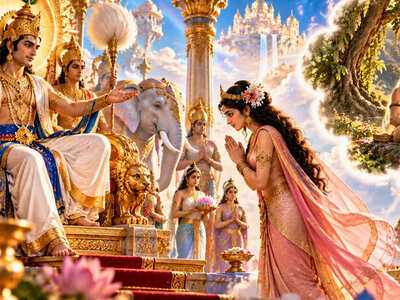 Shukracharya is traditionally remembered as the powerful guru of the Asuras who sought divine knowledge through severe penance.
Shukracharya wanted a power that could completely change the balance between the Devas and Asuras. According to the traditional story, he began intense tapasya to please Lord Shiva and obtain the Mrita Sanjeevani Vidya. This knowledge was believed to have the power to revive the dead. For Shukracharya, the goal was closely connected with protecting the Asuras and strengthening their position. But such a power naturally worried Indra. If Shukracharya succeeded, defeated Asuras could potentially return to battle again, making the conflict between the two sides even more difficult.
Why Indra Sent Jayanti
 According to the traditional narrative, Indra sent his daughter Jayanti to interfere with Shukracharya’s demanding penance.
Indra understood that directly stopping Shukracharya would not be easy. The tapasya was believed to involve extremely difficult rules and discipline, and Shukracharya remained firmly committed to completing it. So Indra chose another approach. He sent his daughter Jayanti to the place where Shukracharya was performing his penance. Her task was to disturb or interrupt his meditation before he could obtain the knowledge he wanted. But there was one thing Indra could not predict. Jayanti did not simply become a distraction. As she observed Shukracharya’s determination, her attitude toward him gradually changed.
Jayanti Chose To Serve HimInstead of abandoning his tapasya, Shukracharya remained completely focused. Jayanti saw the discipline behind his efforts and began respecting his determination. The woman who had been sent with a mission to disrupt him eventually began serving him during his penance. This is the surprising twist at the heart of the story. What began as Indra’s strategic move slowly became a bond based on admiration and devotion. The traditional account presents Jayanti’s decision as an important turning point. She was no longer simply carrying out her father’s plan. She had developed a genuine connection with Shukracharya.
Shiva Grants The Divine KnowledgeAfter completing his severe tapasya, Shukracharya finally received the divine knowledge he had sought. In traditional Hindu narratives, Lord Shiva granted him the Mrita Sanjeevani Vidya, giving Shukracharya an extraordinary ability associated with reviving the dead. This achievement made him even more important to the Asuras. It also explains why Indra had been so concerned about the success of his penance. Yet the story had another surprise waiting. Jayanti, who had remained by Shukracharya during the difficult period, eventually expressed her desire to marry him. The unexpected relationship that began during the tapasya now became a marriage.
A Marriage No One ExpectedJayanti’s request transformed the entire situation. What started as an attempt to stop Shukracharya had resulted in a relationship that neither side had originally planned. Shukracharya accepted Jayanti, and the two were married according to the traditional account. Their relationship adds a deeply human element to the larger conflict between Devas and Asuras. It shows how a plan created for political or strategic reasons can sometimes lead to an entirely different outcome. In mythology, such unexpected turns often become important because they connect seemingly separate events and characters across generations.
The Birth Of DevayaniThe story did not end with Shukracharya and Jayanti’s marriage. They were traditionally said to have a daughter named Devayani. Her later story became significant in the ancient Indian narrative surrounding King Yayati. Devayani eventually married Yayati, and her life became connected with one of the important genealogical stories found in the Mahabharata tradition. This makes Shukracharya’s relationship with Jayanti more than a romantic episode. It becomes part of a much larger chain of events. A mission created by Indra eventually led to a marriage, a daughter and a story that continued into another major chapter of Indian mythology.
The Real Twist In The StoryThe most fascinating part of this story is how completely Indra’s original plan changed. Jayanti was sent to interfere with Shukracharya’s tapasya, but his determination inspired her instead. Shukracharya completed his penance, obtained the knowledge he sought and eventually married the very person who had been sent to stop him. Their daughter Devayani later became part of the wider Yayati story. Whether read as mythology, cultural tradition or a story of unexpected human relationships, the episode carries one memorable lesson: sometimes an attempt to control the outcome can lead to a completely different destiny.
Unlock insightful tips and inspiration on personal growth, productivity, and well-being. Stay motivated and updated with the latest at My Life XP
Shukracharya’s Powerful Quest
Shukracharya wanted a power that could completely change the balance between the Devas and Asuras. According to the traditional story, he began intense tapasya to please Lord Shiva and obtain the Mrita Sanjeevani Vidya. This knowledge was believed to have the power to revive the dead. For Shukracharya, the goal was closely connected with protecting the Asuras and strengthening their position. But such a power naturally worried Indra. If Shukracharya succeeded, defeated Asuras could potentially return to battle again, making the conflict between the two sides even more difficult.
Why Indra Sent Jayanti
Indra understood that directly stopping Shukracharya would not be easy. The tapasya was believed to involve extremely difficult rules and discipline, and Shukracharya remained firmly committed to completing it. So Indra chose another approach. He sent his daughter Jayanti to the place where Shukracharya was performing his penance. Her task was to disturb or interrupt his meditation before he could obtain the knowledge he wanted. But there was one thing Indra could not predict. Jayanti did not simply become a distraction. As she observed Shukracharya’s determination, her attitude toward him gradually changed.
Jayanti Chose To Serve HimInstead of abandoning his tapasya, Shukracharya remained completely focused. Jayanti saw the discipline behind his efforts and began respecting his determination. The woman who had been sent with a mission to disrupt him eventually began serving him during his penance. This is the surprising twist at the heart of the story. What began as Indra’s strategic move slowly became a bond based on admiration and devotion. The traditional account presents Jayanti’s decision as an important turning point. She was no longer simply carrying out her father’s plan. She had developed a genuine connection with Shukracharya.
Shiva Grants The Divine KnowledgeAfter completing his severe tapasya, Shukracharya finally received the divine knowledge he had sought. In traditional Hindu narratives, Lord Shiva granted him the Mrita Sanjeevani Vidya, giving Shukracharya an extraordinary ability associated with reviving the dead. This achievement made him even more important to the Asuras. It also explains why Indra had been so concerned about the success of his penance. Yet the story had another surprise waiting. Jayanti, who had remained by Shukracharya during the difficult period, eventually expressed her desire to marry him. The unexpected relationship that began during the tapasya now became a marriage.
A Marriage No One ExpectedJayanti’s request transformed the entire situation. What started as an attempt to stop Shukracharya had resulted in a relationship that neither side had originally planned. Shukracharya accepted Jayanti, and the two were married according to the traditional account. Their relationship adds a deeply human element to the larger conflict between Devas and Asuras. It shows how a plan created for political or strategic reasons can sometimes lead to an entirely different outcome. In mythology, such unexpected turns often become important because they connect seemingly separate events and characters across generations.
The Birth Of DevayaniThe story did not end with Shukracharya and Jayanti’s marriage. They were traditionally said to have a daughter named Devayani. Her later story became significant in the ancient Indian narrative surrounding King Yayati. Devayani eventually married Yayati, and her life became connected with one of the important genealogical stories found in the Mahabharata tradition. This makes Shukracharya’s relationship with Jayanti more than a romantic episode. It becomes part of a much larger chain of events. A mission created by Indra eventually led to a marriage, a daughter and a story that continued into another major chapter of Indian mythology.
The Real Twist In The StoryThe most fascinating part of this story is how completely Indra’s original plan changed. Jayanti was sent to interfere with Shukracharya’s tapasya, but his determination inspired her instead. Shukracharya completed his penance, obtained the knowledge he sought and eventually married the very person who had been sent to stop him. Their daughter Devayani later became part of the wider Yayati story. Whether read as mythology, cultural tradition or a story of unexpected human relationships, the episode carries one memorable lesson: sometimes an attempt to control the outcome can lead to a completely different destiny.
Unlock insightful tips and inspiration on personal growth, productivity, and well-being. Stay motivated and updated with the latest at My Life XP
Next Story