
Why Do Babies Sneeze So Often?


Does your baby sneeze several times a day, even without a cold? Frequent sneezing can seem concerning, particularly when your little one is still a newborn. However, sneezing alone usually does not mean that your baby is unwell.
Babies have small, sensitive nasal passages that can become irritated by dust, dry air, milk droplets and other environmental particles. Sneezing is a natural protective reflex that helps clear the nose and maintain comfortable breathing.
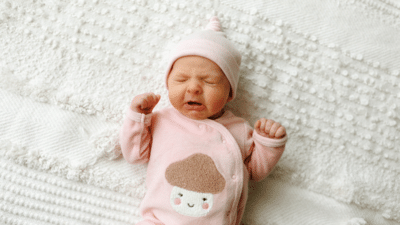
We spoke to Dr Harshit Kumar, Consultant – Paediatrician and Neonatologist at Cloudnine Group of Hospitals, Jalandhar. She explained the reasons behind frequent sneezing in babies, ways to manage at home, and when to consult your doctor.
Why Do Babies Sneeze So Frequently?Sneezing is the body’s natural response to keep your baby's nasal passages clear.
The newborn’s nasal passages are not very well developed. So, even small amounts of mucus or minor irritants can trigger this reflex.
The following are the common causes:
According to Dr Harshit Kumar, sneezing that happens occasionally is considered a normal body response. However, if it gets frequent, you should consult your paediatrician.
Newborns often breathe through their noses while feeding. Therefore, keeping nasal passages clear becomes critical to support comfortable feeding and breathing.

How Can You Help Your Baby If They Sneeze Often?If your baby is feeding well, breathing comfortably and behaving normally, frequent sneezing usually does not require treatment.
The following are a few simple measures to help minimise nasal irritation.
When Should You Worry About Your Baby's Sneezing?Rather than worrying about frequent sneezing alone, Dr Harshit Kumar advises watching your baby's
Maintain a smoke-free environment and monitor feeding, breathing and behaviour. If warning signs develop, seek medical attention promptly.
FAQs on Why Do Babies Sneeze So Often?Is it normal for newborns to sneeze every day?
Yes. Newborns may sneeze several times a day as their sensitive nasal passages clear mucus and environmental particles. If your baby feeds well, breathes comfortably and behaves normally, sneezing alone is usually not concerning. Does frequent sneezing mean my baby has a cold or an allergy?
Not necessarily. Sneezing can occur without an infection or allergy. A runny nose, persistent cough, fever, feeding difficulties or other symptoms may indicate an illness and should be assessed in context. Should I give my baby medicine for frequent sneezing?
Usually not if sneezing is the only symptom. Avoid over-the-counter cold medicines unless specifically advised by your paediatrician.
Babies have small, sensitive nasal passages that can become irritated by dust, dry air, milk droplets and other environmental particles. Sneezing is a natural protective reflex that helps clear the nose and maintain comfortable breathing.
We spoke to Dr Harshit Kumar, Consultant – Paediatrician and Neonatologist at Cloudnine Group of Hospitals, Jalandhar. She explained the reasons behind frequent sneezing in babies, ways to manage at home, and when to consult your doctor.
Why Do Babies Sneeze So Frequently?Sneezing is the body’s natural response to keep your baby's nasal passages clear.
The newborn’s nasal passages are not very well developed. So, even small amounts of mucus or minor irritants can trigger this reflex.
The following are the common causes:
| Possible Reason | How It May Trigger Sneezing |
| Narrow nasal passages | Small amounts of mucus or irritants can trigger sneezing in a newborn's sensitive nose. |
| Dust and environmental particles | Dust and other airborne particles may irritate the lining of the nose. |
| Dry air | Dry indoor air may irritate the nasal passages and contribute to nasal discomfort. |
| Milk droplets | Small amounts of milk or fluid near the nose during feeding may trigger sneezing. |
| Normal nasal clearing | Sneezing helps remove mucus and particles without necessarily indicating an illness. |
Newborns often breathe through their noses while feeding. Therefore, keeping nasal passages clear becomes critical to support comfortable feeding and breathing.
How Can You Help Your Baby If They Sneeze Often?If your baby is feeding well, breathing comfortably and behaving normally, frequent sneezing usually does not require treatment.
The following are a few simple measures to help minimise nasal irritation.
- Keep the surroundings smoke-free
- Reduce dust exposure
- Avoid strong fragrances
- Manage nasal congestion gently
- Continue observing feeding and breathing
When Should You Worry About Your Baby's Sneezing?Rather than worrying about frequent sneezing alone, Dr Harshit Kumar advises watching your baby's
- Breathing
- Feeding
- General behaviour
- Runny nose or persistent cough
- Poor feeding or unusual irritability
- Temperature of 38°C or higher in a baby younger than three months
- Difficulty breathing, bluish lips or pauses in breathing
- Significant lethargy or difficulty waking
Maintain a smoke-free environment and monitor feeding, breathing and behaviour. If warning signs develop, seek medical attention promptly.
FAQs on Why Do Babies Sneeze So Often?
Yes. Newborns may sneeze several times a day as their sensitive nasal passages clear mucus and environmental particles. If your baby feeds well, breathes comfortably and behaves normally, sneezing alone is usually not concerning.
Not necessarily. Sneezing can occur without an infection or allergy. A runny nose, persistent cough, fever, feeding difficulties or other symptoms may indicate an illness and should be assessed in context.
Usually not if sneezing is the only symptom. Avoid over-the-counter cold medicines unless specifically advised by your paediatrician.
Next Story