
Why Do Some Birds Sing More at Sunrise?

Birdsong is often one of the first sounds heard as the day begins. From gardens and parks to forests and countryside, many birds become noticeably more vocal around sunrise. This early burst of sound is known as the dawn chorus .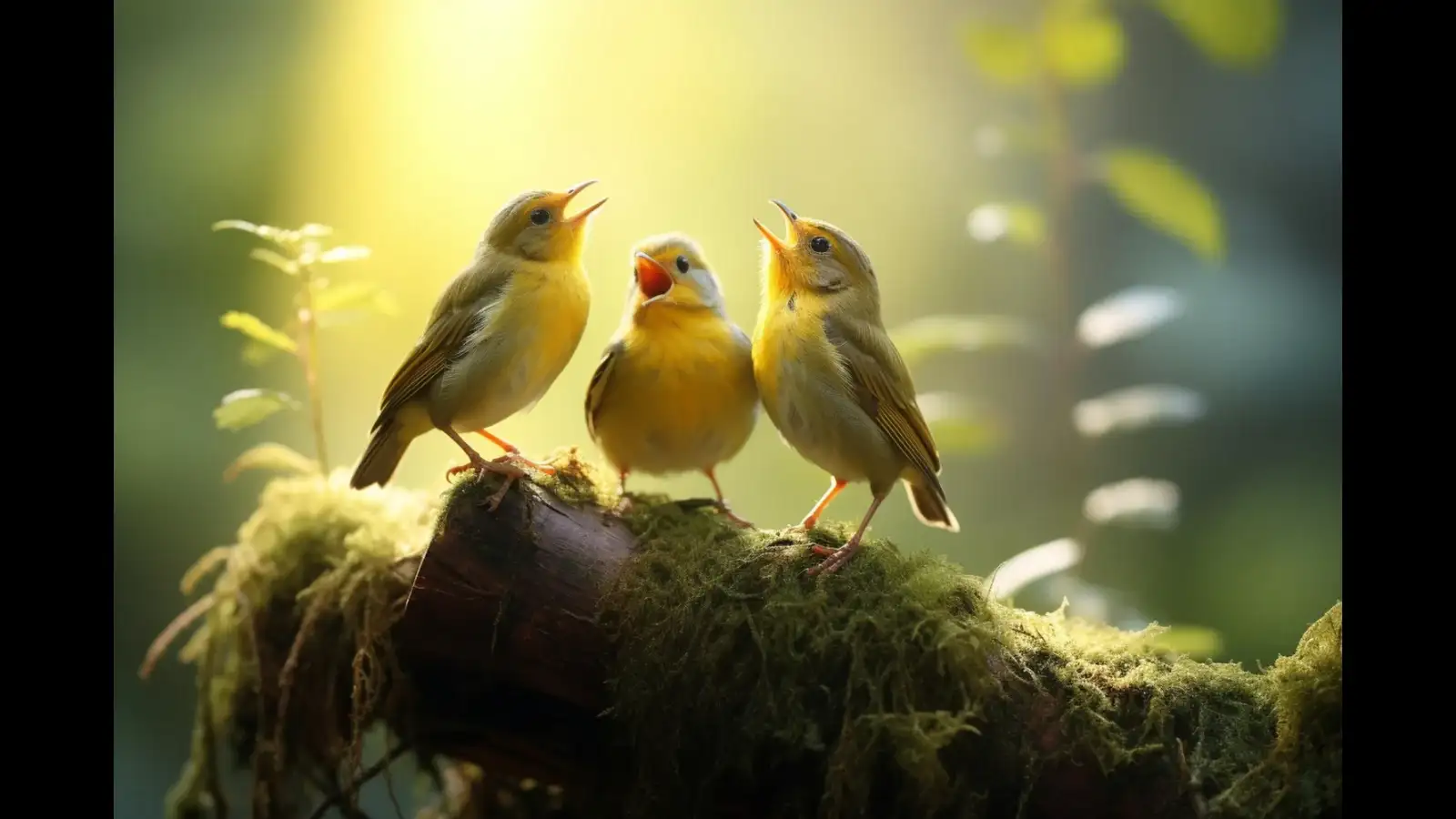
But why do birds sing so much at this particular time? The answer is linked to several factors, including light, communication, territory, mating and the daily activity patterns of birds.
The timing and intensity of the chorus can vary depending on the species, habitat, weather and season. Some birds may begin singing before sunrise, while others become active shortly afterwards.
A male bird may use its song to signal that an area is occupied. Hearing another bird of the same species can also help it recognise a potential territorial rival.
Morning can provide favourable conditions for these signals. Before the day's human activity and other environmental sounds increase, birdsong may be easier for birds to detect over a distance.
In some species, males sing frequently as part of courtship. The quality, variety or persistence of a song may provide information to potential mates, although the role of song differs between species.
This is one reason the dawn chorus can become especially noticeable during breeding periods.
Cooler morning air and atmospheric conditions can also influence how sound travels. However, this does not mean that every bird necessarily sings more because sound carries better at sunrise. Different species respond differently to their surroundings.
As daylight increases, birds become more active. Species that rely heavily on vision for finding food may begin their daily activities around this time, while some singing species start calling or singing as part of their morning routine.
The exact timing can differ considerably between species. Some birds are naturally early risers, while others become active later.
Some species are more vocal during the morning, while others may call more frequently at different times of the day. Nocturnal birds, for example, are active mainly at night and may have very different vocal patterns from daytime songbirds.
The availability of food can also influence when birds become active. A species that depends on particular food sources may follow a daily routine suited to finding them.
Seasonal changes also matter. In many species, singing becomes more prominent during the breeding season and decreases at other times of the year.
This means that the same place can sound very different on different mornings.
Each species has its own calls and songs, with differences in pitch, rhythm and pattern. Birds may also sing from different heights and locations, such as trees, shrubs and the ground.
Together, these sounds create the familiar burst of birdsong that many people associate with sunrise.
For humans, it may sound like a peaceful morning soundtrack. For birds, however, those early songs can carry important information about who is nearby, which areas are occupied and, in some species, who might make a suitable mate.
But why do birds sing so much at this particular time? The answer is linked to several factors, including light, communication, territory, mating and the daily activity patterns of birds.
What Is the Dawn Chorus?
The dawn chorus refers to the period around sunrise when many birds sing and call at the same time. It is particularly noticeable during the breeding season in many bird species.The timing and intensity of the chorus can vary depending on the species, habitat, weather and season. Some birds may begin singing before sunrise, while others become active shortly afterwards.
Why Do Birds Sing at Sunrise?
One major reason is communication. Birdsong can carry important messages to other birds, particularly when individuals are establishing or defending territories.A male bird may use its song to signal that an area is occupied. Hearing another bird of the same species can also help it recognise a potential territorial rival.
Morning can provide favourable conditions for these signals. Before the day's human activity and other environmental sounds increase, birdsong may be easier for birds to detect over a distance.
Finding a Mate
For many songbirds, singing is also connected with reproduction. During the breeding season, songs can help birds attract mates or communicate their readiness to breed.In some species, males sing frequently as part of courtship. The quality, variety or persistence of a song may provide information to potential mates, although the role of song differs between species.
This is one reason the dawn chorus can become especially noticeable during breeding periods.
Why Is Morning a Good Time to Sing?
The early morning environment can be relatively quiet compared with later parts of the day. Traffic, people, machinery and other sources of background noise may be lower, particularly in natural or less urbanised areas.Cooler morning air and atmospheric conditions can also influence how sound travels. However, this does not mean that every bird necessarily sings more because sound carries better at sunrise. Different species respond differently to their surroundings.
Light Also Plays a Role
Birds have biological clocks that help regulate their daily activities. Increasing light at dawn acts as an important environmental cue for many birds.As daylight increases, birds become more active. Species that rely heavily on vision for finding food may begin their daily activities around this time, while some singing species start calling or singing as part of their morning routine.
The exact timing can differ considerably between species. Some birds are naturally early risers, while others become active later.
Why Don't All Birds Sing at Sunrise?
Not every bird participates in the dawn chorus to the same extent. Birds have different lifestyles, habitats and activity patterns.Some species are more vocal during the morning, while others may call more frequently at different times of the day. Nocturnal birds, for example, are active mainly at night and may have very different vocal patterns from daytime songbirds.
The availability of food can also influence when birds become active. A species that depends on particular food sources may follow a daily routine suited to finding them.
Weather Can Change the Morning Chorus
The number of birds singing can change with weather conditions. Rain, strong winds and other unfavourable conditions may affect bird activity and make their songs less noticeable.Seasonal changes also matter. In many species, singing becomes more prominent during the breeding season and decreases at other times of the year.
This means that the same place can sound very different on different mornings.
Why Does the Dawn Chorus Sound So Loud?
When several species sing at once, their voices overlap, creating the impression of a large and continuous chorus.Each species has its own calls and songs, with differences in pitch, rhythm and pattern. Birds may also sing from different heights and locations, such as trees, shrubs and the ground.
Together, these sounds create the familiar burst of birdsong that many people associate with sunrise.
A Daily Conversation in Nature
The dawn chorus is not simply birds singing because the sun has risen. It is the result of several factors working together, including biological rhythms, communication, breeding behaviour, territory and environmental conditions.For humans, it may sound like a peaceful morning soundtrack. For birds, however, those early songs can carry important information about who is nearby, which areas are occupied and, in some species, who might make a suitable mate.
Next Story