
Why Do Cats Purr? The Real Meaning Behind Cat Purring and What It Reveals About Your Pet

Why do cats purr ? For many cat owners, the gentle vibration of a cat’s purr is one of the most soothing sounds in the world. Whether a cat is resting beside you or enjoying a quiet moment of affection, purring often signals comfort. However, the meaning of cat purring goes far beyond simple happiness. Experts believe this unique sound plays an important role in communication, emotional expression, and even physical healing. Understanding why cats purr can help owners build a stronger connection with their pets and better understand their behaviour.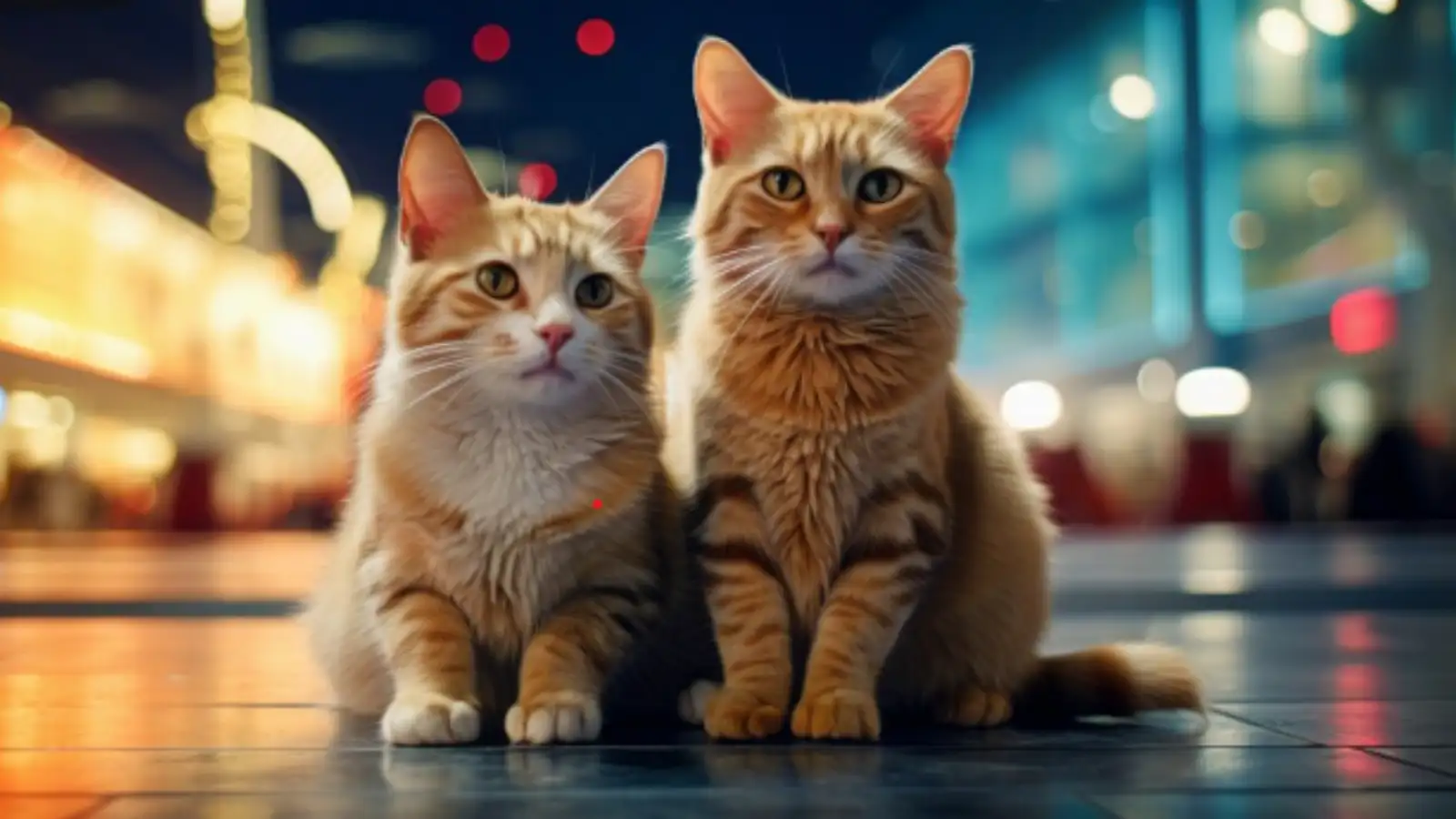
What Exactly Is Cat Purring?
A cat’s purr is created by rapid movements of muscles in the larynx, also known as the voice box. As the cat breathes in and out, these muscles repeatedly tighten and relax, causing the vocal cords to vibrate. This vibration produces the familiar humming sound associated with purring.
Unlike many other animal sounds that occur only when breathing out, purring continues during both inhalation and exhalation. This creates a steady, rhythmic vibration that feels calming to humans.
Interestingly, the frequency of a cat’s purr generally falls between 25 and 150 hertz. Researchers have discovered that this range is linked to tissue repair and bone healing in mammals, suggesting that purring may have biological benefits beyond communication.
Purring Often Means Your Cat Is Happy
One of the most common reasons cats purr is because they feel relaxed and content. When a cat feels safe and comfortable, it may start purring while lying beside its owner, enjoying gentle petting, or resting peacefully.
During these moments, purring acts as a sign of trust and satisfaction. It is the cat’s way of expressing that it feels calm and secure in its environment. For pet owners, hearing this soft sound often strengthens the emotional bond they share with their furry companion.
A Quiet Way for Cats to Communicate
Purring is also a subtle form of communication. Unlike loud meows that demand attention, purring delivers softer signals. Cats may use it to greet their owners, encourage affection, or simply express their presence.
This behaviour begins very early in a cat’s life. Kittens start purring within the first few days after birth. The sound helps them communicate with their mother, signalling that they are comfortable and feeding properly. In return, the mother cat purrs to guide and reassure her kittens.
This early exchange helps create one of the first emotional connections in a kitten’s life, and the instinct remains with them as they grow older.
When Cats Purr to Ask for Something
Cats are intelligent animals and often use purring strategically. Sometimes, a cat will approach its owner while purring and rubbing against their legs, especially around feeding time.
Research suggests that some cats produce a specific “solicitation purr” when they want food. This type of purr includes a slightly higher pitch that resembles the sound of a crying baby. Humans naturally react to this tone because it triggers nurturing instincts. Over time, cats learn that this sound increases the chances of getting attention or food quickly.
The Surprising Healing Power of Cat Purring
One of the most fascinating discoveries about cat purring is its potential connection to healing. Studies indicate that the vibrations produced during purring may help:
Cats often rest and purr when they are injured or unwell. Scientists believe this behaviour may help accelerate healing while allowing the cat to conserve energy.
Interestingly, these soothing vibrations may also benefit humans. Spending time with a purring cat can promote relaxation and reduce stress levels.
Why Cats Sometimes Purr When They Are Sick or Afraid
While purring is often linked to happiness, it can also occur during stressful or uncomfortable situations. Cats may purr when they are frightened, injured, or visiting a veterinarian.
In such cases, the purring likely acts as a self-soothing mechanism. The vibration may help calm the cat, ease discomfort, and reduce anxiety. Veterinarians frequently observe this behaviour when cats are recovering from injuries or medical procedures.
The Emotional Bond Between Cats and Humans
The gentle sound of purring plays an important role in the relationship between cats and their owners. Although cats are often seen as independent animals, their purring shows they value companionship and emotional connection.
When a cat curls up beside its owner and begins to purr, it creates a moment of shared calm. These small interactions can bring comfort, especially after a stressful day, and help strengthen the bond between human and pet.
Can Cat Purring Help Reduce Human Stress?
Research suggests that interacting with pets, including cats, can improve emotional wellbeing. The steady rhythm of a cat’s purr creates a relaxing atmosphere that may help reduce anxiety and lower blood pressure.
For people experiencing stress or loneliness, the quiet presence of a purring cat can be incredibly reassuring. This is why some animal therapy programmes include cats to help provide emotional support.
Do All Cats Purr in the Same Way?
Not every cat purrs in the same manner. Some cats produce a loud, noticeable purr that can fill a room, while others create a softer vibration that can only be felt when you touch them.
The frequency and purpose of purring may also vary between cats. Some purr frequently throughout the day, while others reserve it for moments when they feel extremely comfortable. These differences reflect each cat’s unique personality and emotional expression.
How to Understand What Your Cat’s Purr Means
To understand why your cat is purring, it is important to observe its overall behaviour and body language.
By paying attention to these signals, cat owners can better understand their pet’s needs and emotions.
Why Cats Continue to Fascinate Us
Cats have lived alongside humans for thousands of years, yet they still maintain an air of mystery. Their graceful movements, quiet nature, and subtle communication make them endlessly fascinating companions.
Purring perfectly captures this mystery. It is both a biological process and an emotional expression that deepens the connection between cats and humans.
The answer to why cats purr is far more complex than many people realise. Purring can express happiness, seek attention, provide comfort, and even assist in healing. It is one of the most unique and meaningful ways cats communicate with the world around them.
For cat owners, the soft vibration of a purr represents trust, warmth, and companionship. In many ways, that quiet sound speaks louder than words, reminding us that the simplest moments with our pets often bring the greatest comfort.
What Exactly Is Cat Purring?
A cat’s purr is created by rapid movements of muscles in the larynx, also known as the voice box. As the cat breathes in and out, these muscles repeatedly tighten and relax, causing the vocal cords to vibrate. This vibration produces the familiar humming sound associated with purring.
Unlike many other animal sounds that occur only when breathing out, purring continues during both inhalation and exhalation. This creates a steady, rhythmic vibration that feels calming to humans.
Interestingly, the frequency of a cat’s purr generally falls between 25 and 150 hertz. Researchers have discovered that this range is linked to tissue repair and bone healing in mammals, suggesting that purring may have biological benefits beyond communication.
Purring Often Means Your Cat Is Happy
One of the most common reasons cats purr is because they feel relaxed and content. When a cat feels safe and comfortable, it may start purring while lying beside its owner, enjoying gentle petting, or resting peacefully.
During these moments, purring acts as a sign of trust and satisfaction. It is the cat’s way of expressing that it feels calm and secure in its environment. For pet owners, hearing this soft sound often strengthens the emotional bond they share with their furry companion.
A Quiet Way for Cats to Communicate
Purring is also a subtle form of communication. Unlike loud meows that demand attention, purring delivers softer signals. Cats may use it to greet their owners, encourage affection, or simply express their presence.
This behaviour begins very early in a cat’s life. Kittens start purring within the first few days after birth. The sound helps them communicate with their mother, signalling that they are comfortable and feeding properly. In return, the mother cat purrs to guide and reassure her kittens.
This early exchange helps create one of the first emotional connections in a kitten’s life, and the instinct remains with them as they grow older.
When Cats Purr to Ask for Something
Cats are intelligent animals and often use purring strategically. Sometimes, a cat will approach its owner while purring and rubbing against their legs, especially around feeding time.
Research suggests that some cats produce a specific “solicitation purr” when they want food. This type of purr includes a slightly higher pitch that resembles the sound of a crying baby. Humans naturally react to this tone because it triggers nurturing instincts. Over time, cats learn that this sound increases the chances of getting attention or food quickly.
The Surprising Healing Power of Cat Purring
One of the most fascinating discoveries about cat purring is its potential connection to healing. Studies indicate that the vibrations produced during purring may help:
- Promote bone strength
- Support tissue repair
- Reduce pain
- Aid muscle recovery
Cats often rest and purr when they are injured or unwell. Scientists believe this behaviour may help accelerate healing while allowing the cat to conserve energy.
Interestingly, these soothing vibrations may also benefit humans. Spending time with a purring cat can promote relaxation and reduce stress levels.
Why Cats Sometimes Purr When They Are Sick or Afraid
While purring is often linked to happiness, it can also occur during stressful or uncomfortable situations. Cats may purr when they are frightened, injured, or visiting a veterinarian.
In such cases, the purring likely acts as a self-soothing mechanism. The vibration may help calm the cat, ease discomfort, and reduce anxiety. Veterinarians frequently observe this behaviour when cats are recovering from injuries or medical procedures.
The Emotional Bond Between Cats and Humans
The gentle sound of purring plays an important role in the relationship between cats and their owners. Although cats are often seen as independent animals, their purring shows they value companionship and emotional connection.
When a cat curls up beside its owner and begins to purr, it creates a moment of shared calm. These small interactions can bring comfort, especially after a stressful day, and help strengthen the bond between human and pet.
Can Cat Purring Help Reduce Human Stress?
Research suggests that interacting with pets, including cats, can improve emotional wellbeing. The steady rhythm of a cat’s purr creates a relaxing atmosphere that may help reduce anxiety and lower blood pressure.
For people experiencing stress or loneliness, the quiet presence of a purring cat can be incredibly reassuring. This is why some animal therapy programmes include cats to help provide emotional support.
Do All Cats Purr in the Same Way?
Not every cat purrs in the same manner. Some cats produce a loud, noticeable purr that can fill a room, while others create a softer vibration that can only be felt when you touch them.
The frequency and purpose of purring may also vary between cats. Some purr frequently throughout the day, while others reserve it for moments when they feel extremely comfortable. These differences reflect each cat’s unique personality and emotional expression.
How to Understand What Your Cat’s Purr Means
To understand why your cat is purring, it is important to observe its overall behaviour and body language.
- A relaxed posture and half-closed eyes usually indicate contentment.
- Gentle stretching and slow movements suggest comfort.
- Tension, hiding, or unusual behaviour may signal stress or discomfort.
By paying attention to these signals, cat owners can better understand their pet’s needs and emotions.
Why Cats Continue to Fascinate Us
Cats have lived alongside humans for thousands of years, yet they still maintain an air of mystery. Their graceful movements, quiet nature, and subtle communication make them endlessly fascinating companions.
Purring perfectly captures this mystery. It is both a biological process and an emotional expression that deepens the connection between cats and humans.
The answer to why cats purr is far more complex than many people realise. Purring can express happiness, seek attention, provide comfort, and even assist in healing. It is one of the most unique and meaningful ways cats communicate with the world around them.
For cat owners, the soft vibration of a purr represents trust, warmth, and companionship. In many ways, that quiet sound speaks louder than words, reminding us that the simplest moments with our pets often bring the greatest comfort.
Next Story